
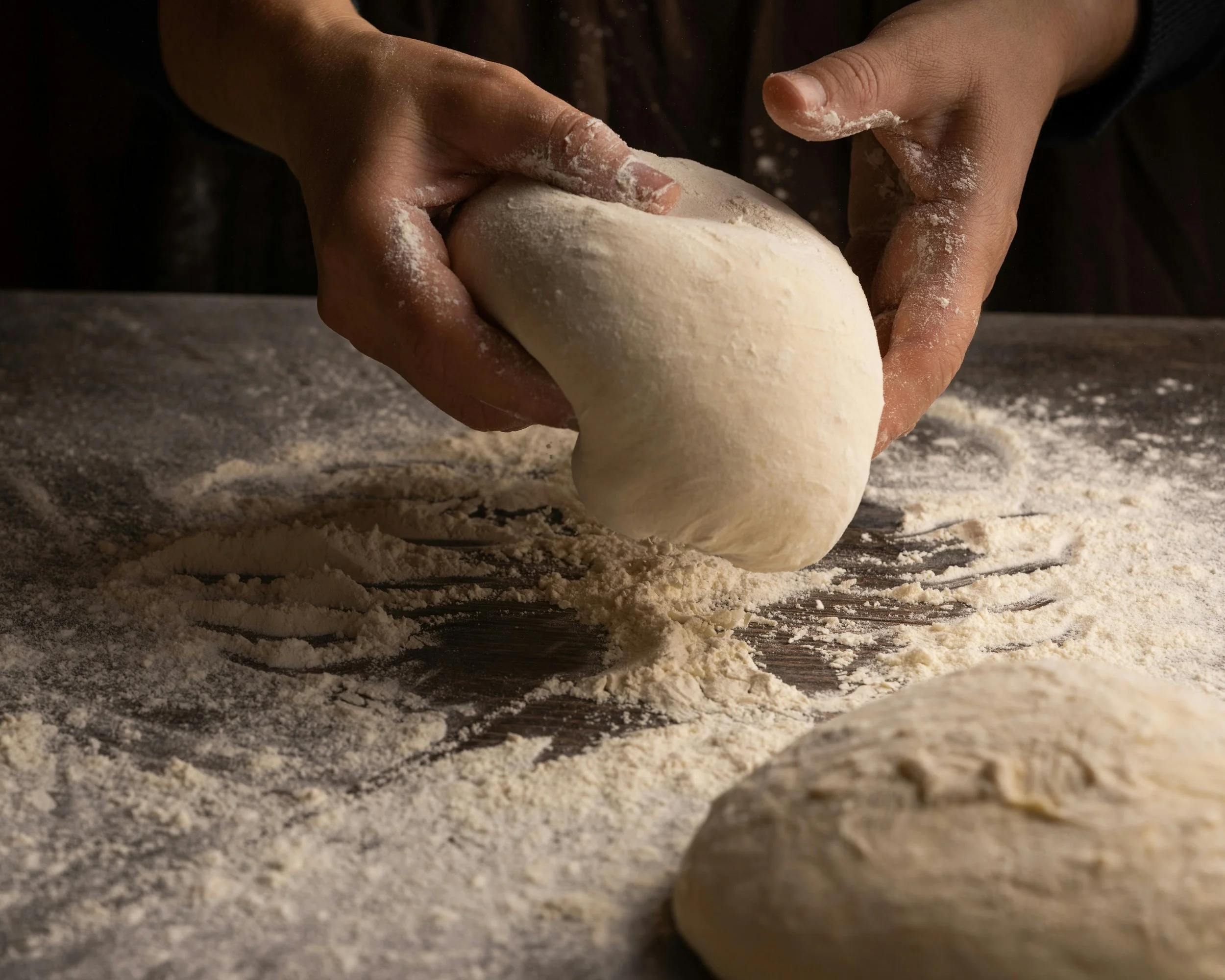
Enzymatic Shearing: How Protease Cuts Gluten (The Scissors)
When a baker talks about "strength," they are usually talking about elasticity—the ability of dough to snap back. This is the hallmark of commercial yeast bread. It is rubbery, tight, and resilient. But a sourdough baker looks for something else: Extensibility. The ability to stretch without tearing.

Bioavailability: How Acidity Neutralises Phytic Acid to Unlock Iron & Zinc
In raw grains, minerals are locked away behind a chemical defence mechanism designed to prevent digestion. This lock is called Phytic Acid (or phytate). Unless you have the key to open it, you are likely excreting the vast majority of the nutrition you think you are eating.

The Bloat Analysis: Why Pizza Bloats You but Sourdough Doesn't
It is a common scenario: You eat two slices of artisan sourdough toast for breakfast and feel energised. That night, you eat two slices of pizza and feel like you have swallowed a bowling ball. The ‘bread’ ingredients are identical: Flour, water, salt, yeast.
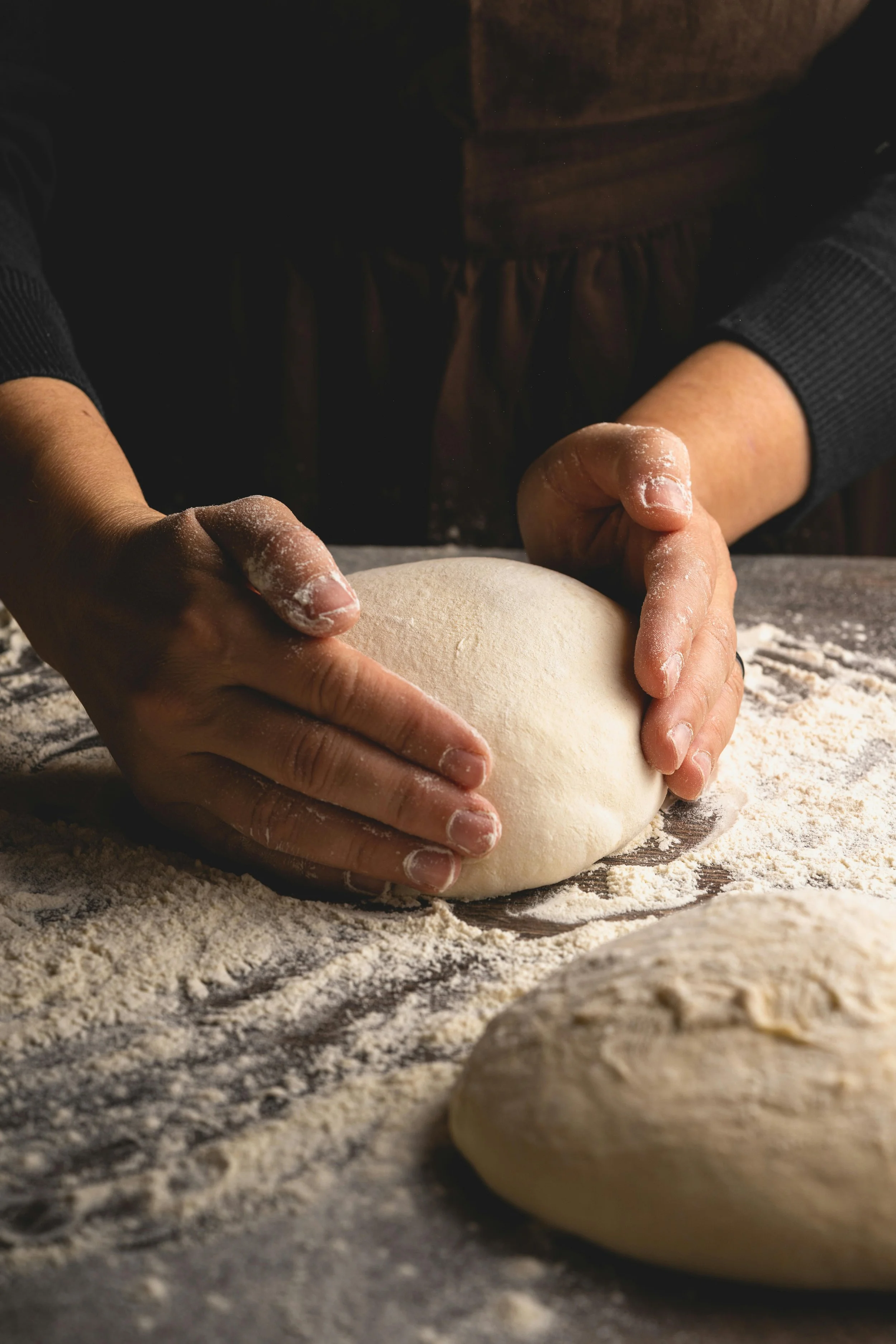
FODMAPs & Fermentation: Navigating IBS and the 48h Degradation Curve
When you mix flour and water and let it sit, a war for resources begins. The bacteria hunt for fuel. If given enough time, they will consume the fructans, effectively "pre-digesting" the bread before it ever reaches your plate.