
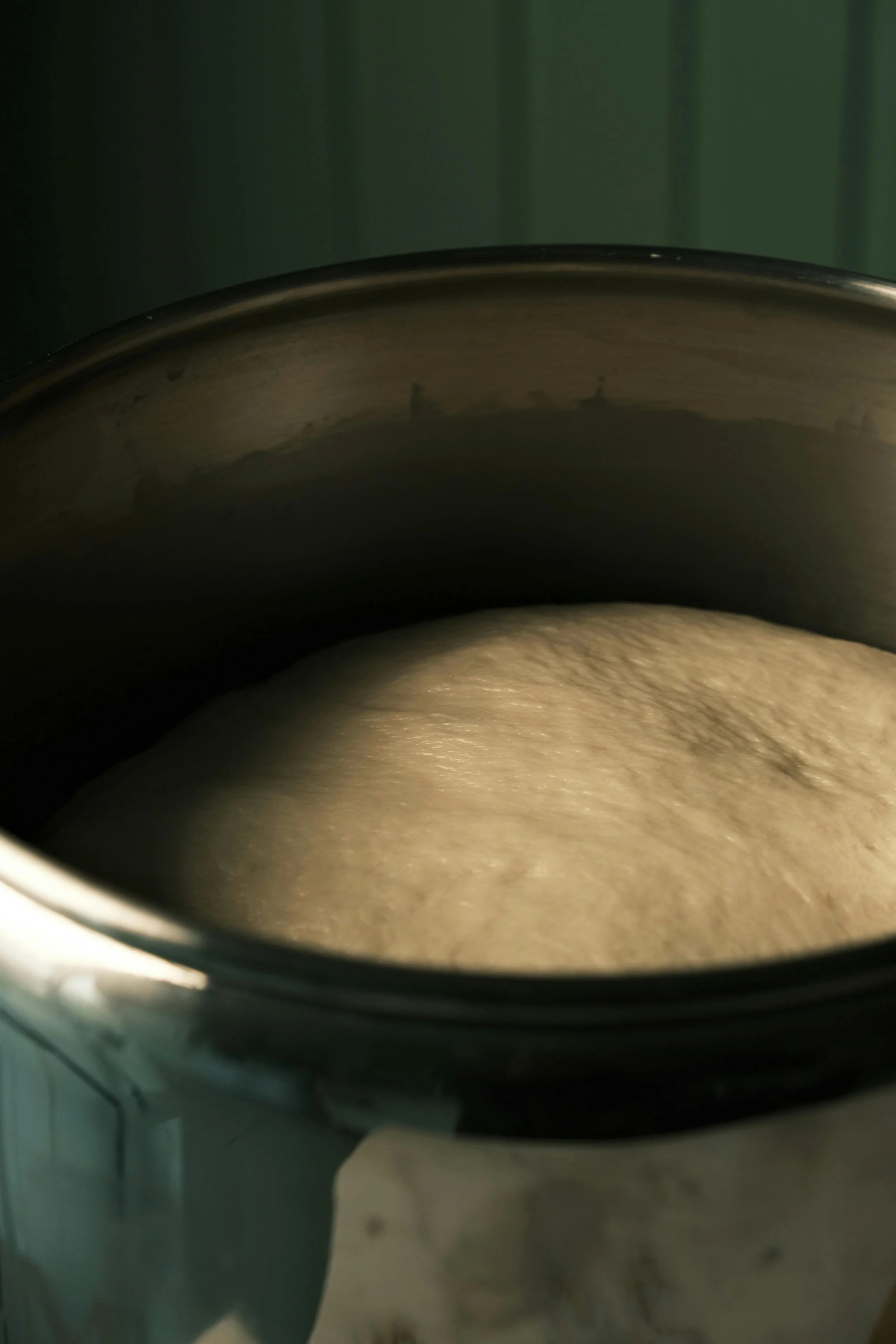
The Lectin Defense: Fermentation as a Chemical Shield
In the world of diet culture, lectins—specifically Wheat Germ Agglutinin (WGA) found in whole grains—have become a villain. They are accused of binding to the gut lining, causing "Leaky Gut," and triggering systemic inflammation.

Post-Antibiotic Recovery: Rebuilding the Microbiome with Fibre Diversity
A course of broad-spectrum antibiotics is like a forest fire. It burns down the infection, but it also incinerates the "old growth forest" of your beneficial microbiome. Species like Bifidobacterium and Lactobacillus are often collateral damage.
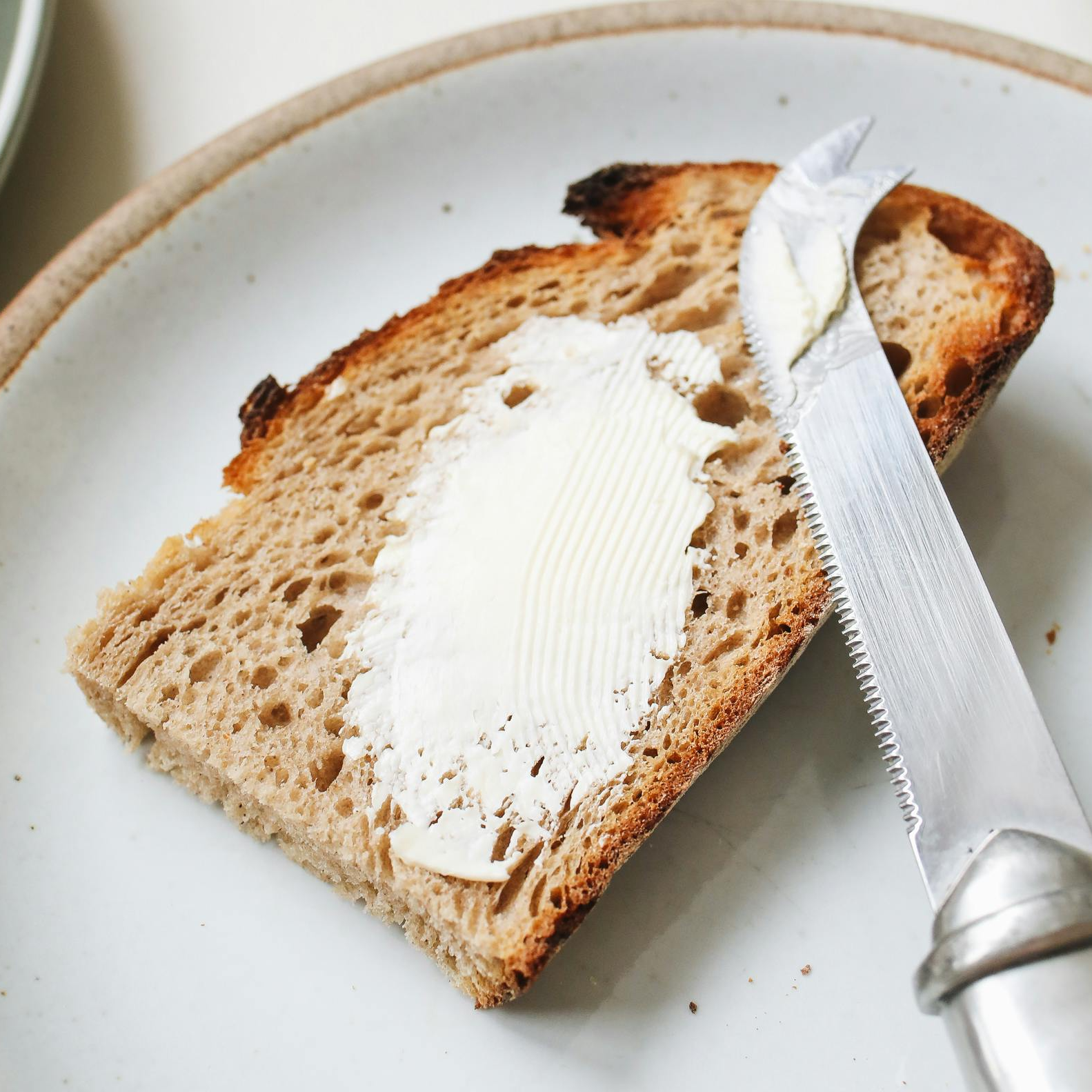
The Retrograde Method: Freezing and Toasting for Maximum Prebiotics
This guide details The Retrograde Method—a specific protocol of cooling, freezing, and toasting designed to manipulate starch crystals. It turns a standard slice of sourdough into a high-performance delivery system for Resistant Starch (Type 3).
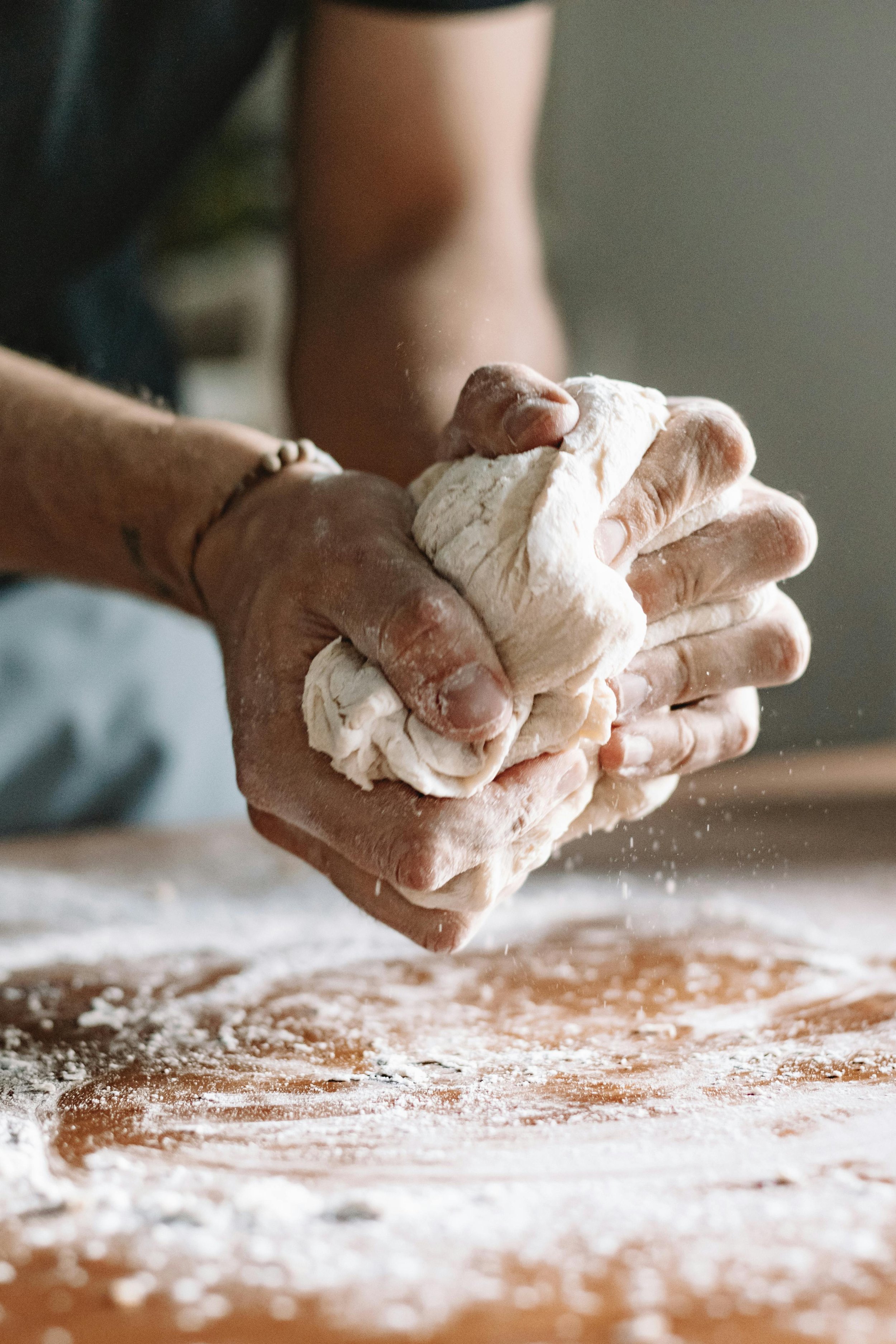
Stress Baking Psychology: Mindfulness and Tactile Therapy
"Stress baking" is often dismissed as a quirky coping mechanism or procrastination. But psychologists and occupational therapists view it differently. They see it as a legitimate form of sensory regulation.

Bioavailability: How Acidity Neutralises Phytic Acid to Unlock Iron & Zinc
In raw grains, minerals are locked away behind a chemical defence mechanism designed to prevent digestion. This lock is called Phytic Acid (or phytate). Unless you have the key to open it, you are likely excreting the vast majority of the nutrition you think you are eating.
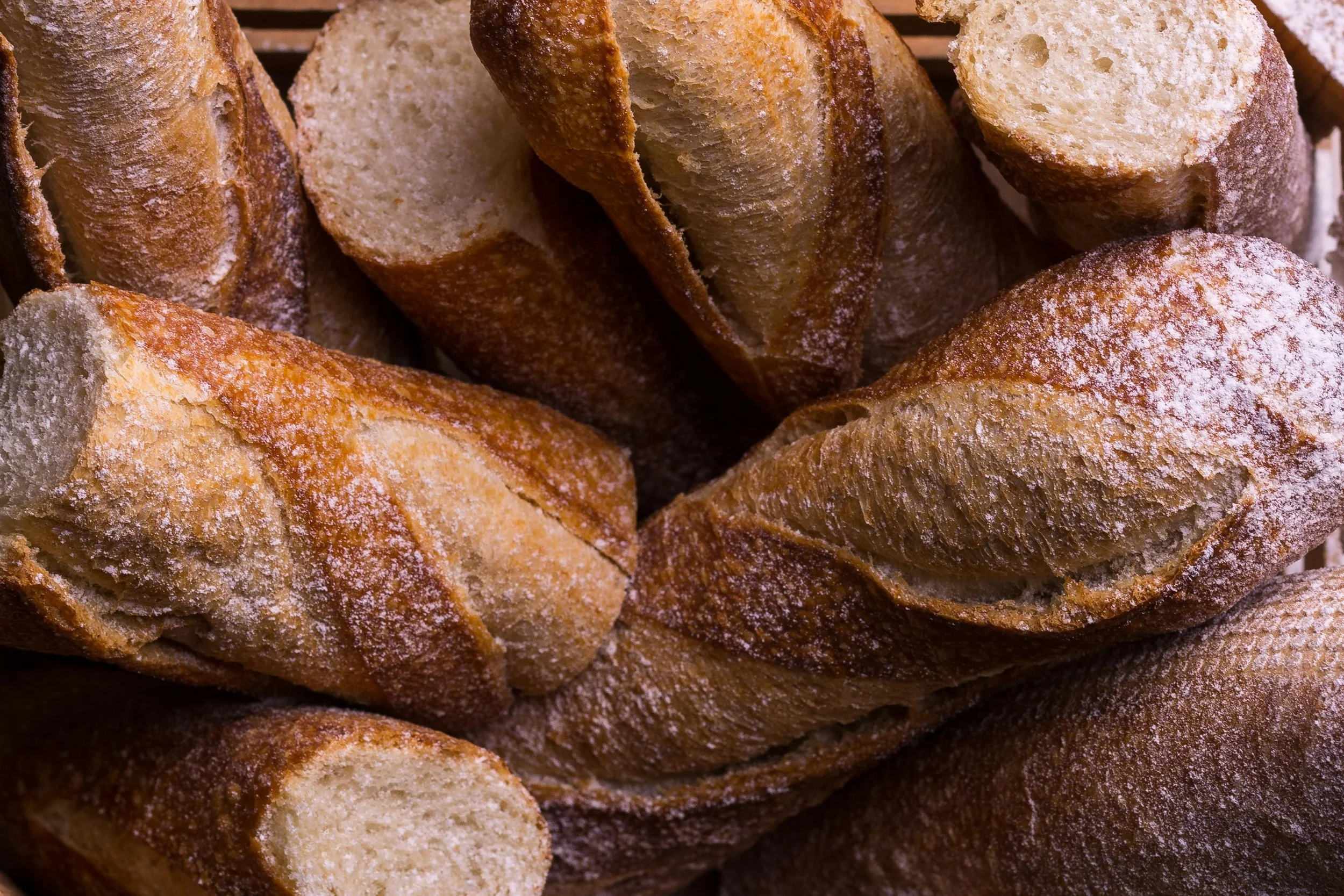
Resistant Starch 101: Turning Bread Into A Prebiotic
Depending on how it is cooked, cooled, and fermented, starch can behave like a sugar, or it can behave like a fibre. It can spike your insulin, or it can feed your gut microbiome.
Longevity Diets: Sourdough's Role in Blue Zones (Ikaria/Sardinia)
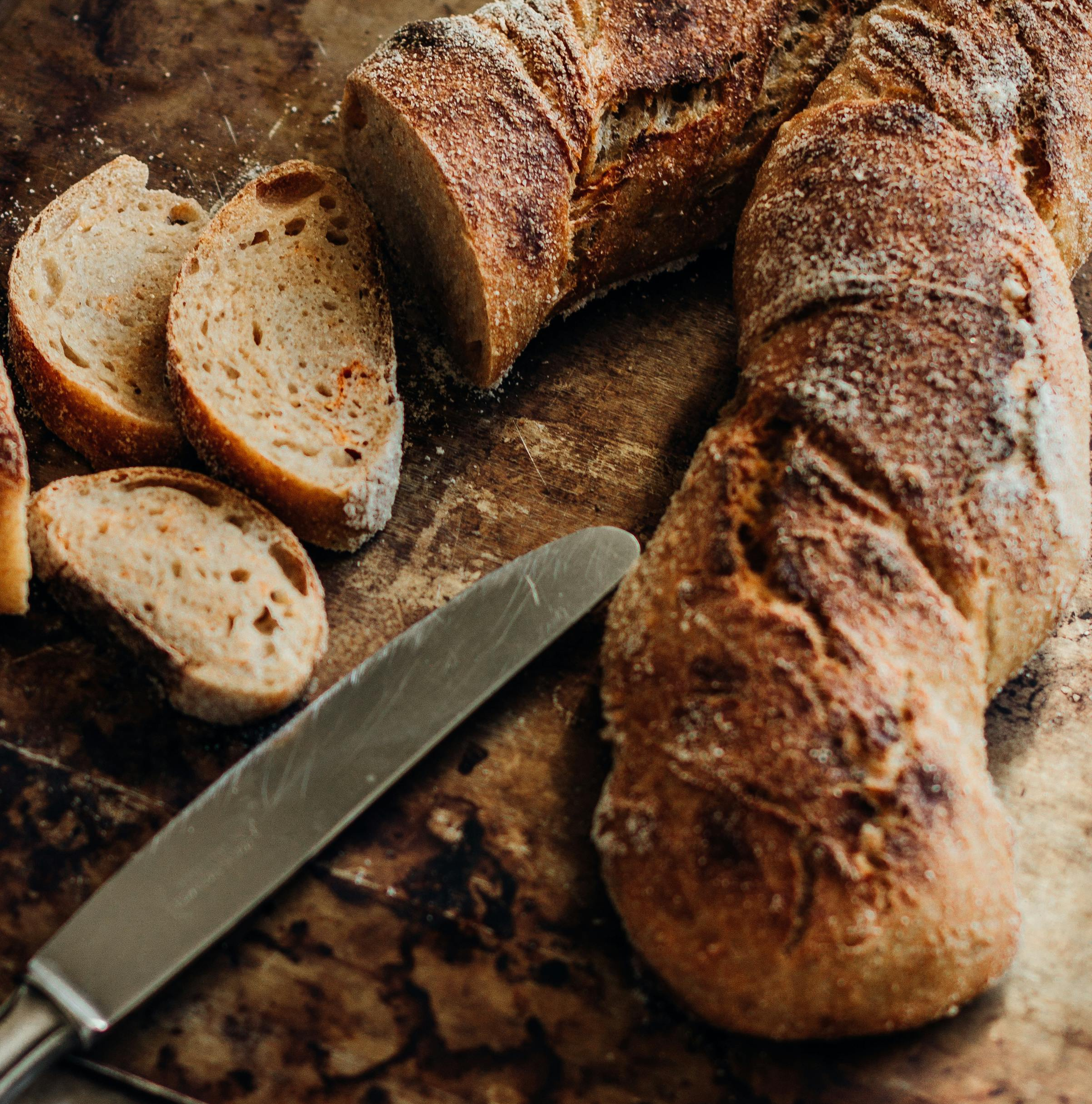
In these "Blue Zones" (regions with the highest concentration of centenarians), bread is not a treat; it is a staple. But it is not the bread you find in a supermarket. It is sourdough. And it is arguably one of the most important longevity foods on the planet.
Fermented Foods vs. Pills: The Whole Food Matrix Argument
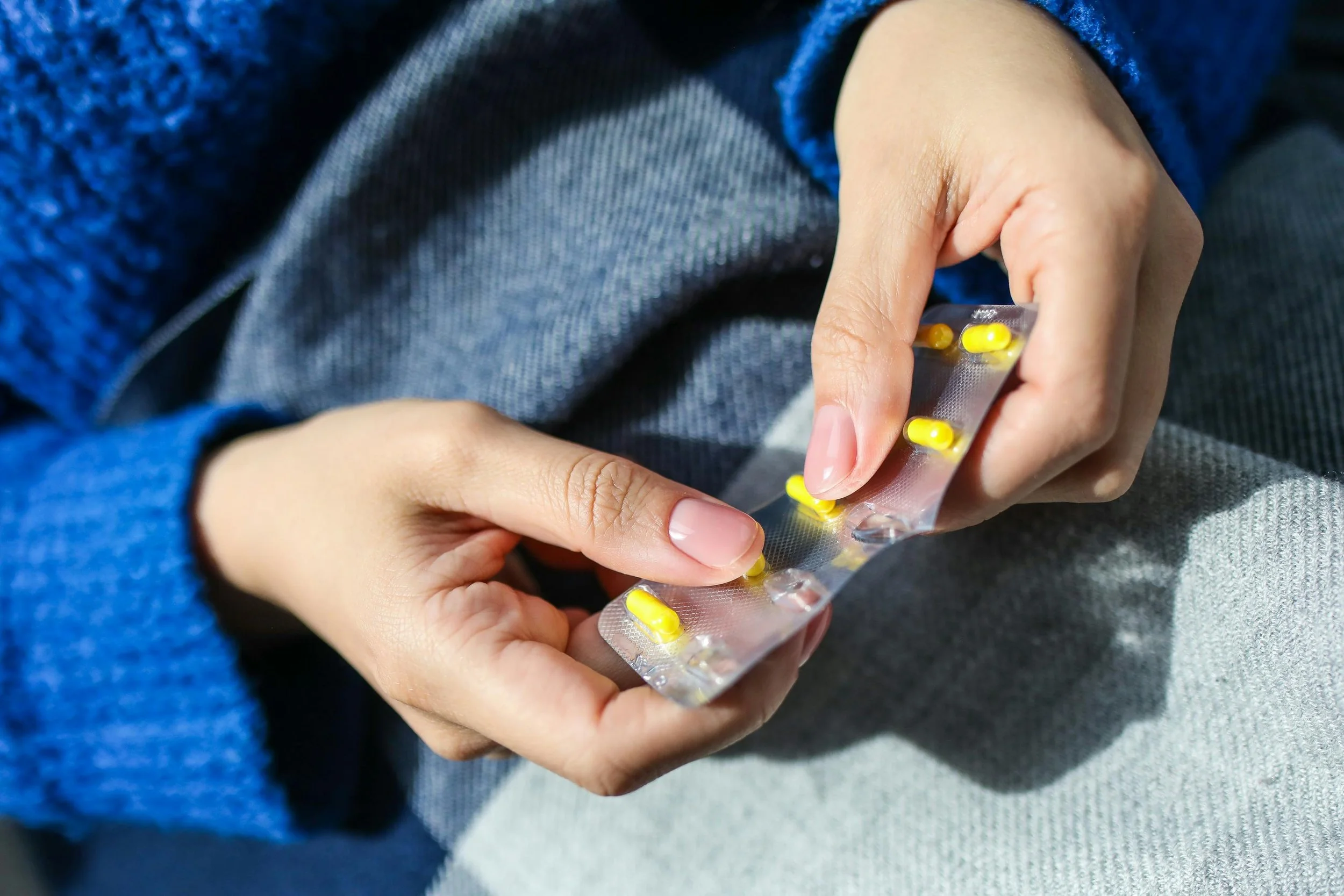
The wellness industry loves isolation. It takes a complex biological process, isolates a single "active ingredient," and sells it in a capsule. This reductionist approach has created a billion-dollar market for probiotic supplements.

Weight Loss & Satiety: The Density Analysis of Sourdough vs. Commercial Bread
Commercial bread requires almost no chewing, dissolves instantly in the stomach, and leaves you hungry again within an hour. But sourdough is a different material entirely. It is dense. It is structured. And crucially, it is acidic.

The Second Brain: How Intestinal Microbes Influence Mood
There is a second nervous system in your body, one so complex and autonomous that scientists call it "The Second Brain." It is located not in your skull, but in your gut. This represents the Enteric Nervous System (ENS). And it doesn't just digest food. It manufactures the chemistry of your mood.
Non-Celiac Gluten Sensitivity: Is it the Gluten or the Fructans?
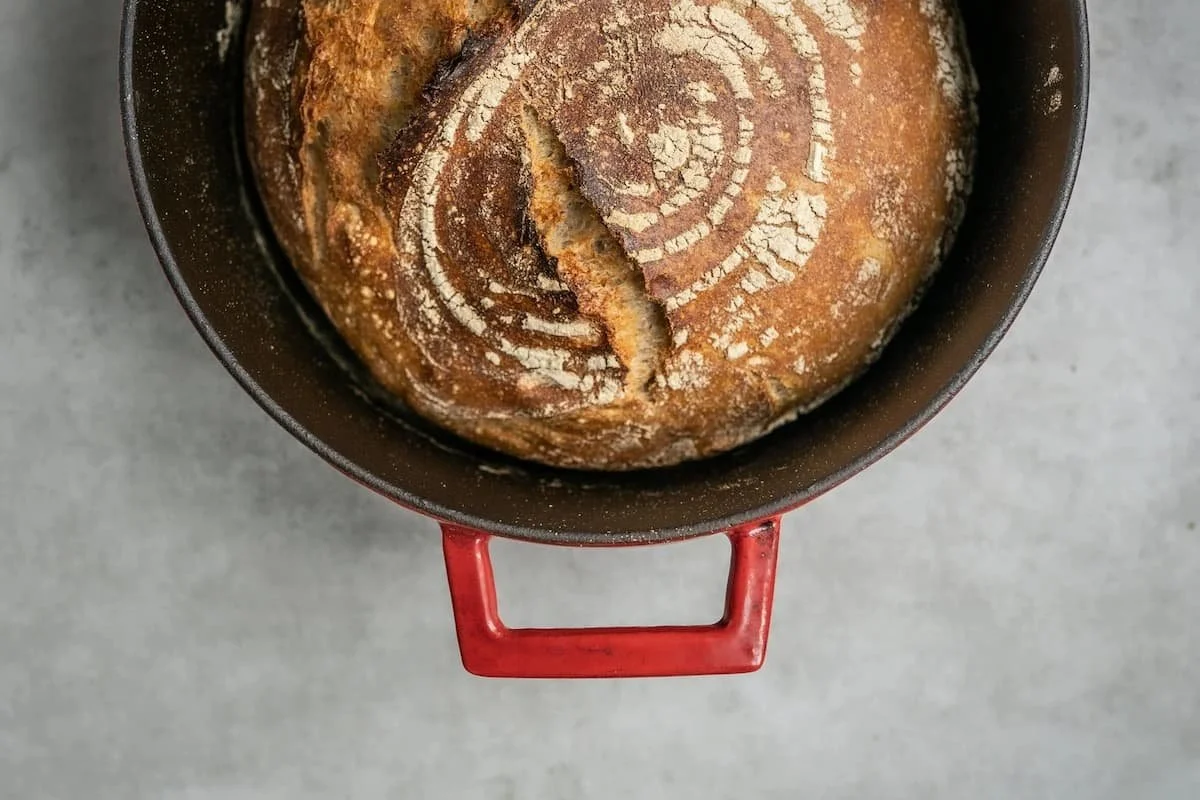
Because wheat contains both gluten and fructans, it is easy to confuse the two. When you stop eating bread, you eliminate both. You feel better. You blame the gluten. But you may have simply lowered your FODMAP load.
The Morning Toast Protocol: For Cortisol Management
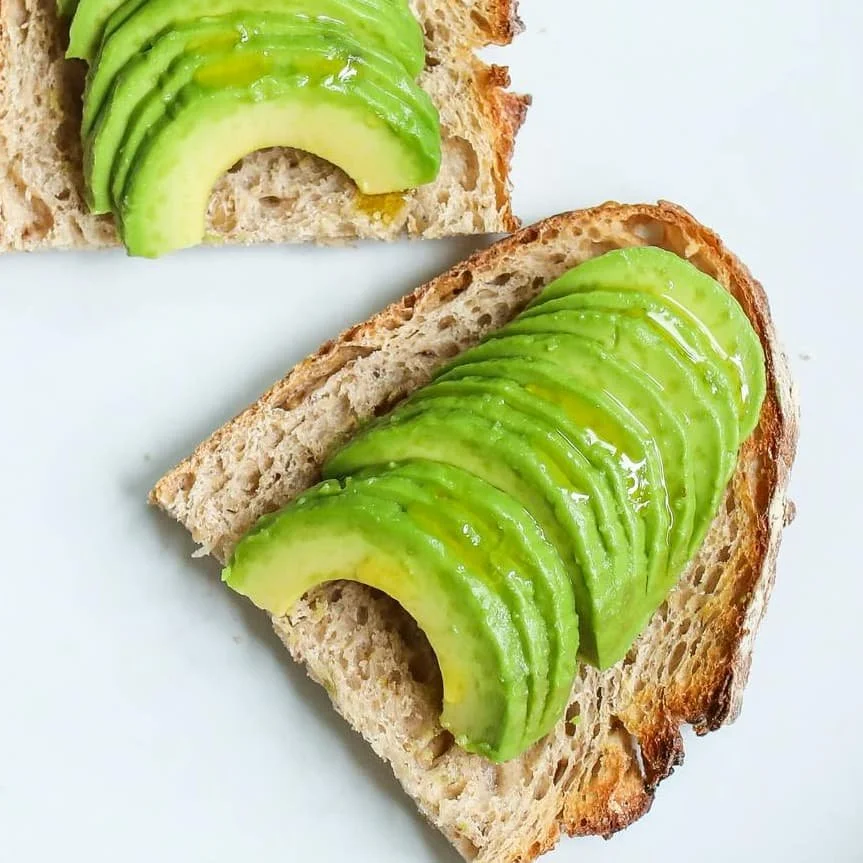
Spiking your blood sugar with sweet carbs triggers a subsequent crash (reactive hypoglycaemia), which forces your body to release Cortisol and Adrenaline to bring levels back up. You are literally chemically inducing stress before 10 AM.

Leaky Gut Protocols: Butyrate Production and Lining Repair
The term "Leaky Gut" (Increased Intestinal Permeability) was once dismissed by conventional medicine. Today, it is a recognised driver of systemic inflammation, autoimmunity, and food sensitivities.
FODMAPs & Fermentation: Navigating IBS and the 48h Degradation Curve
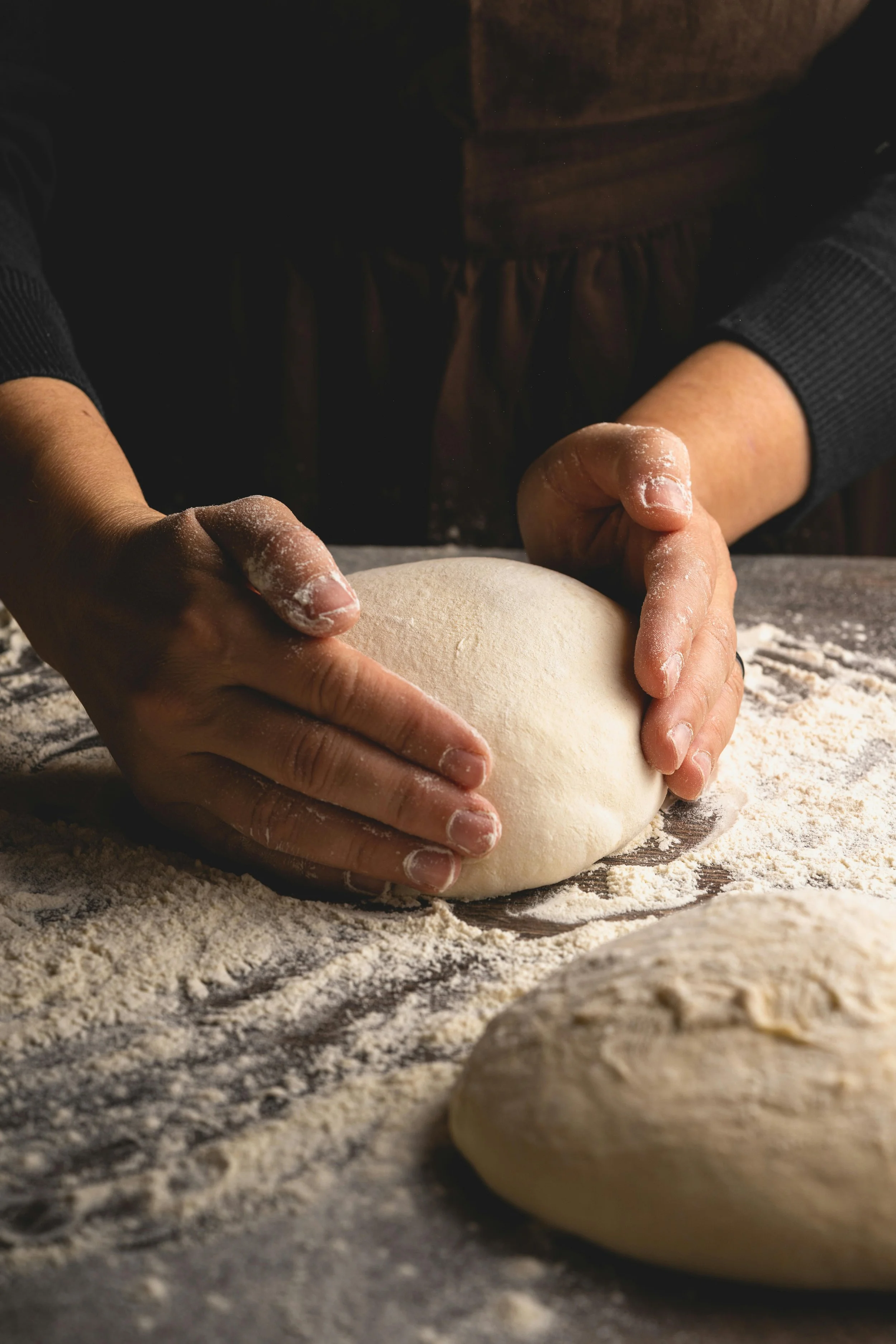
When you mix flour and water and let it sit, a war for resources begins. The bacteria hunt for fuel. If given enough time, they will consume the fructans, effectively "pre-digesting" the bread before it ever reaches your plate.

Gut-Skin Axis: Sourdough, Systemic Inflammation, and Acne
This is the story of the Gut-Skin Axis: the direct line of communication between what you eat, your insulin levels, and the clarity of your skin. And it explains why sourdough might be the dermatological intervention you didn't know you needed.
Ghost Probiotics: Why Dead Bacteria Still Talk
If you view probiotics solely as "live microorganisms," then sourdough is a barren wasteland. It is sterile. But emerging research into the gut-brain axis suggests something profound: bacteria do not need to be alive to speak to your body.

The Temperature Switch: Baking for GABA
The key molecule here is GABA (gamma-aminobutyric acid). It is the brain's primary inhibitory neurotransmitter, the biological "off switch" for stress and anxiety. And to maximise it in your bread, you may need to turn up the heat.

The Oxytocin Loop: Baking as Social Biology
When you break bread, is the feeling of connection purely emotional, or is it chemical? New research into Lactobacillus reuteri—the "Love Bug" sometimes found in sourdough—suggests these microbes may trigger the release of oxytocin, the "cuddle hormone," to encourage sharing and trust.
Explore the "Oxytocin Loop": the evolutionary theory that suggests baking isn't just feeding the body, but chemically engineering bonding.

The Calorie Paradox in Sourdough: Why Not All Calories Are Created Equal
The "Calorie Paradox" of sourdough is that the energy listed on the label is not necessarily the energy your body absorbs. By the time the wild yeast and lactic acid bacteria have finished with the flour, they have fundamentally altered its structure. They have changed the math.
The Glucose Curve: Sourdough and Diabetes
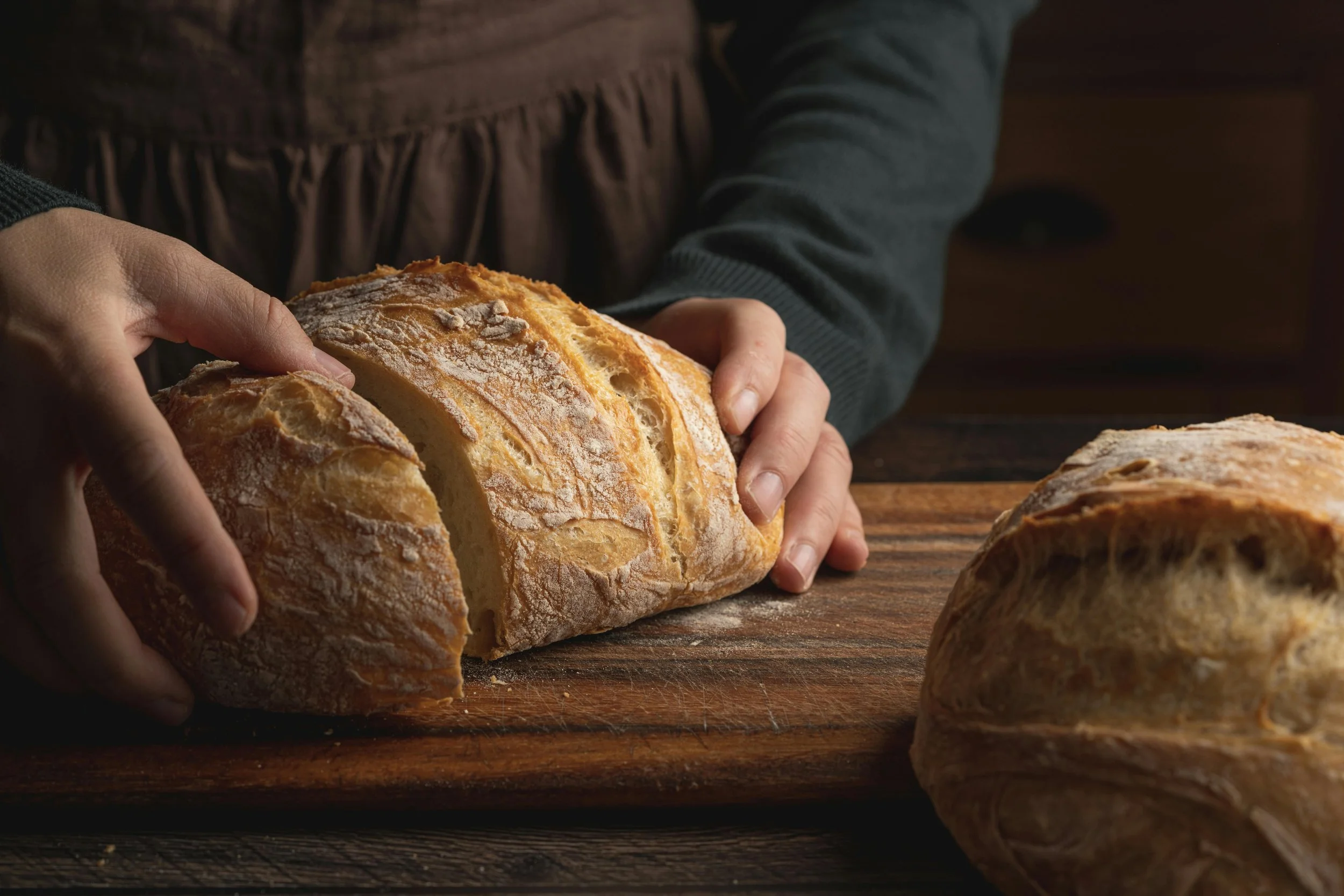
Sourdough offers a metabolic loophole. By enlisting microbes to pre-digest our grain and acidify the dough, we can enjoy the ritual of bread without the metabolic penalty of a sugar crash. It is not just about lower carbs; it is about slower chemistry.