
Search Sourdough Science

A course of broad-spectrum antibiotics is like a forest fire. It burns down the infection, but it also incinerates the "old growth forest" of your beneficial microbiome. Species like Bifidobacterium and Lactobacillus are often collateral damage.
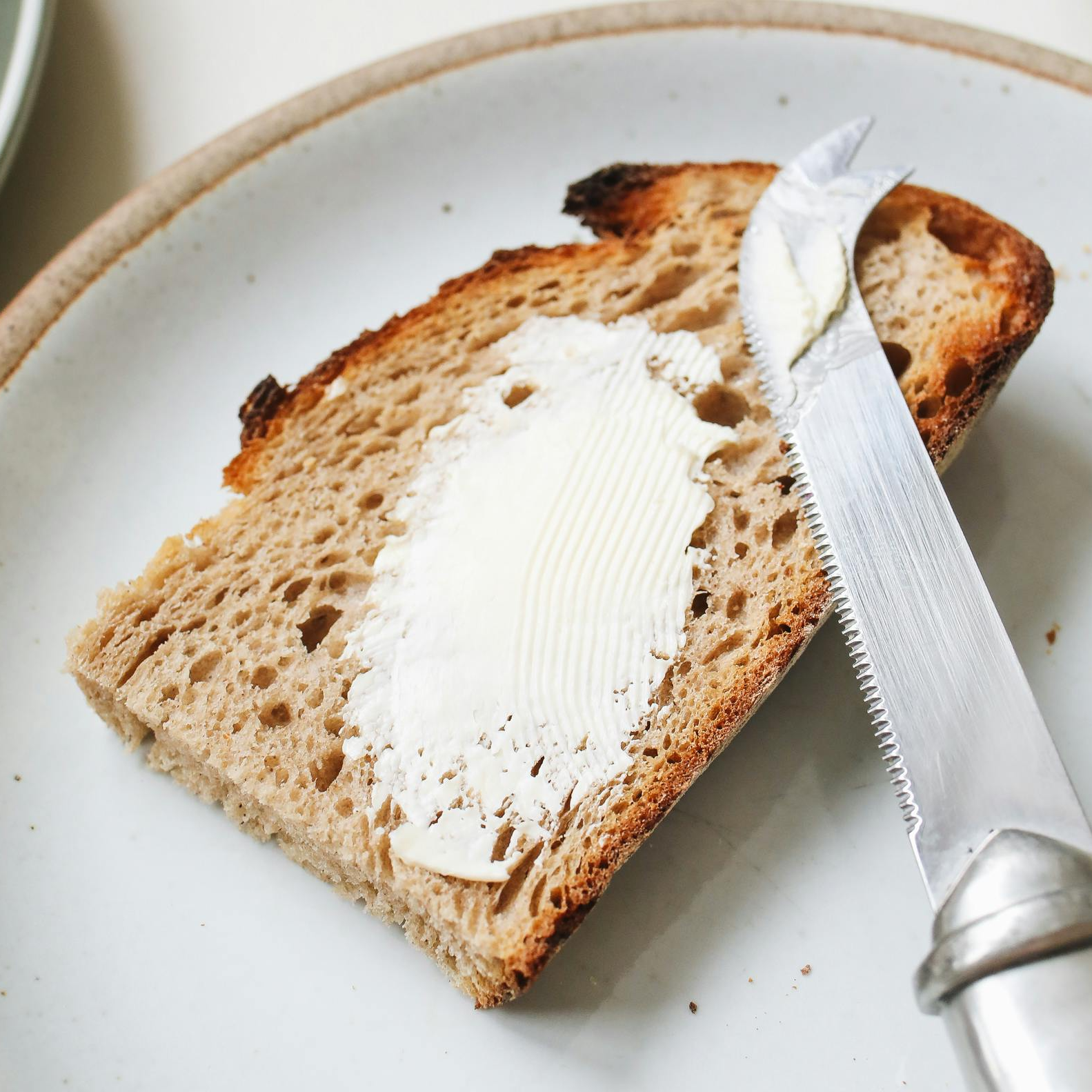
This guide details The Retrograde Method—a specific protocol of cooling, freezing, and toasting designed to manipulate starch crystals. It turns a standard slice of sourdough into a high-performance delivery system for Resistant Starch (Type 3).
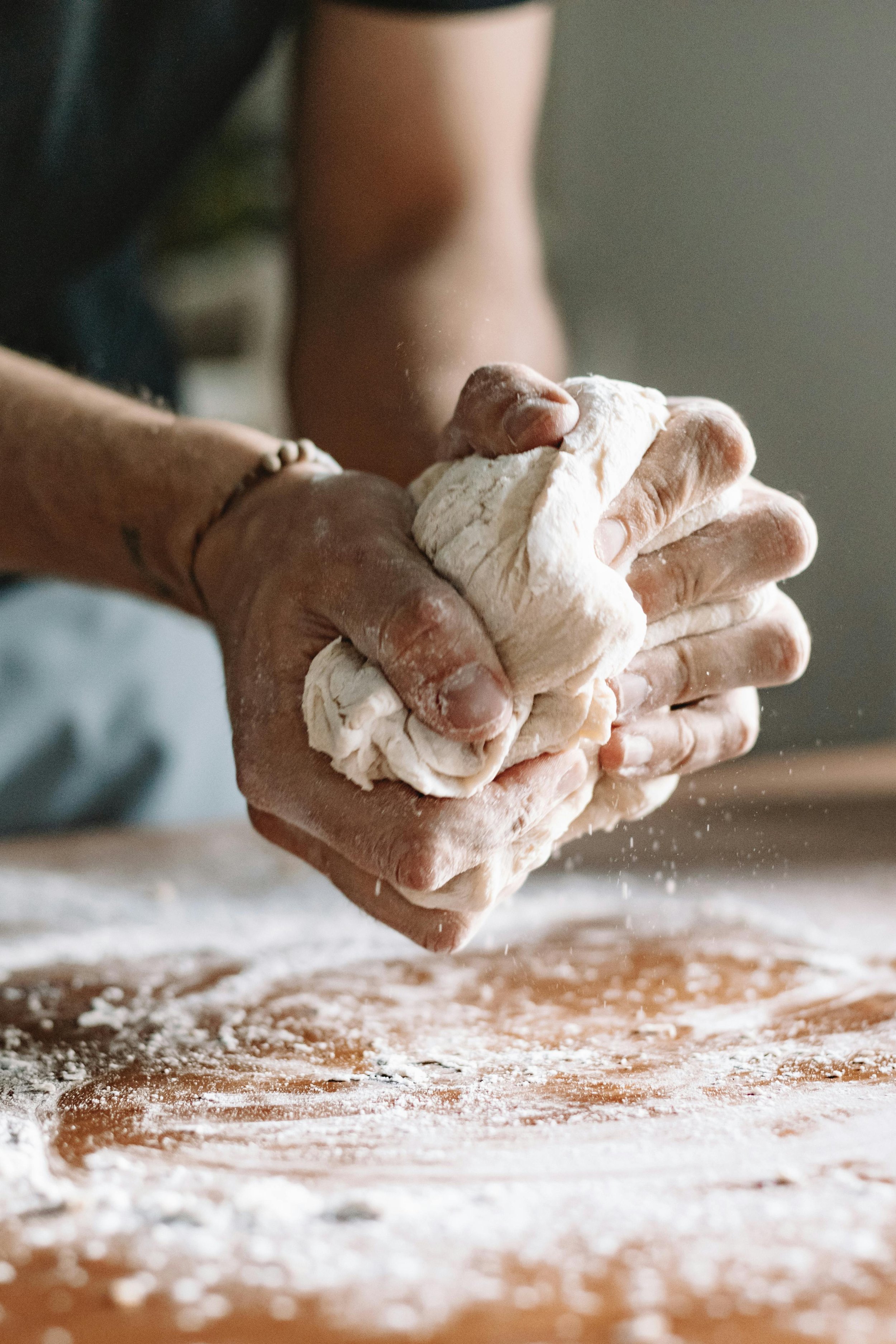
"Stress baking" is often dismissed as a quirky coping mechanism or procrastination. But psychologists and occupational therapists view it differently. They see it as a legitimate form of sensory regulation.

In raw grains, minerals are locked away behind a chemical defence mechanism designed to prevent digestion. This lock is called Phytic Acid (or phytate). Unless you have the key to open it, you are likely excreting the vast majority of the nutrition you think you are eating.
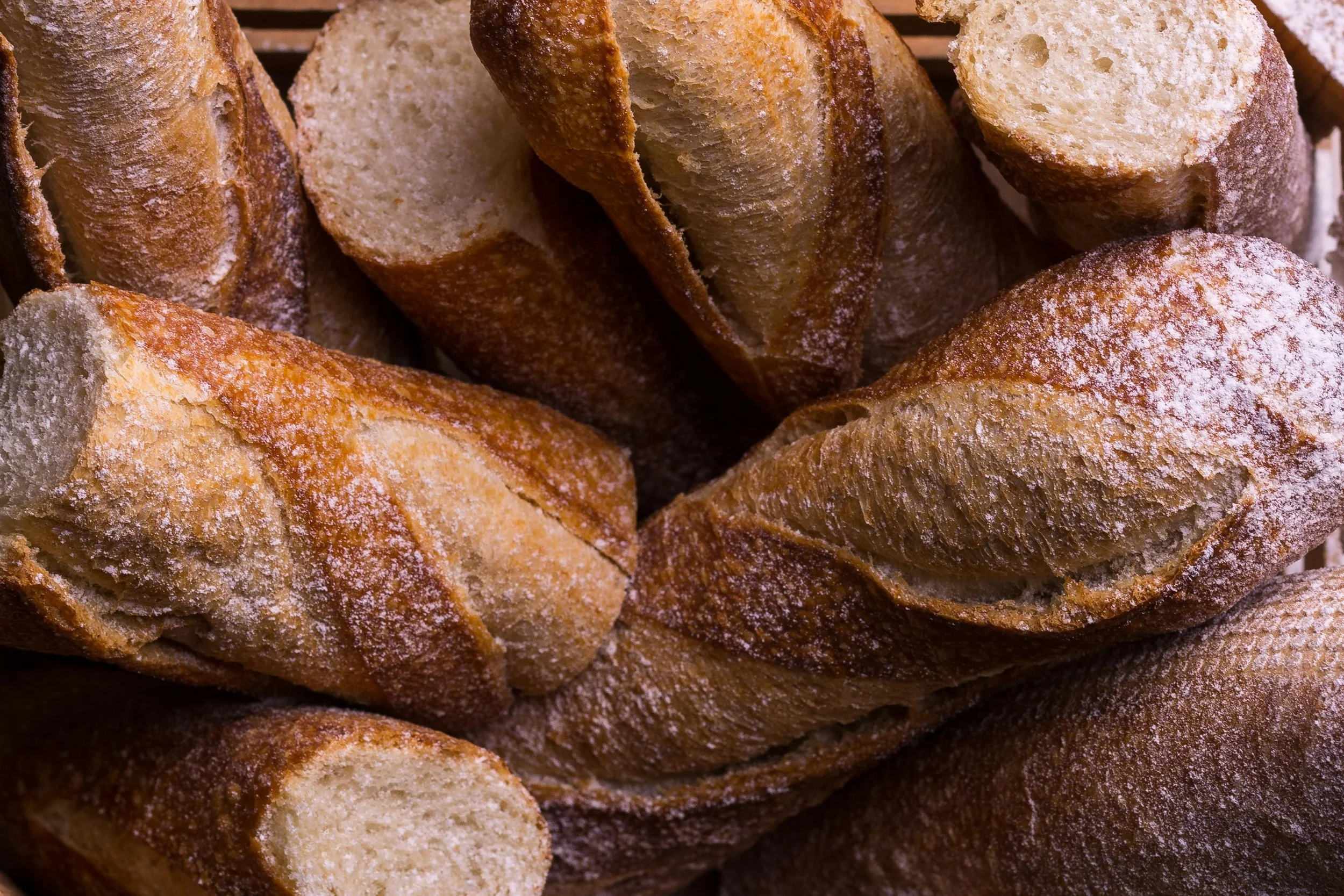
Depending on how it is cooked, cooled, and fermented, starch can behave like a sugar, or it can behave like a fibre. It can spike your insulin, or it can feed your gut microbiome.
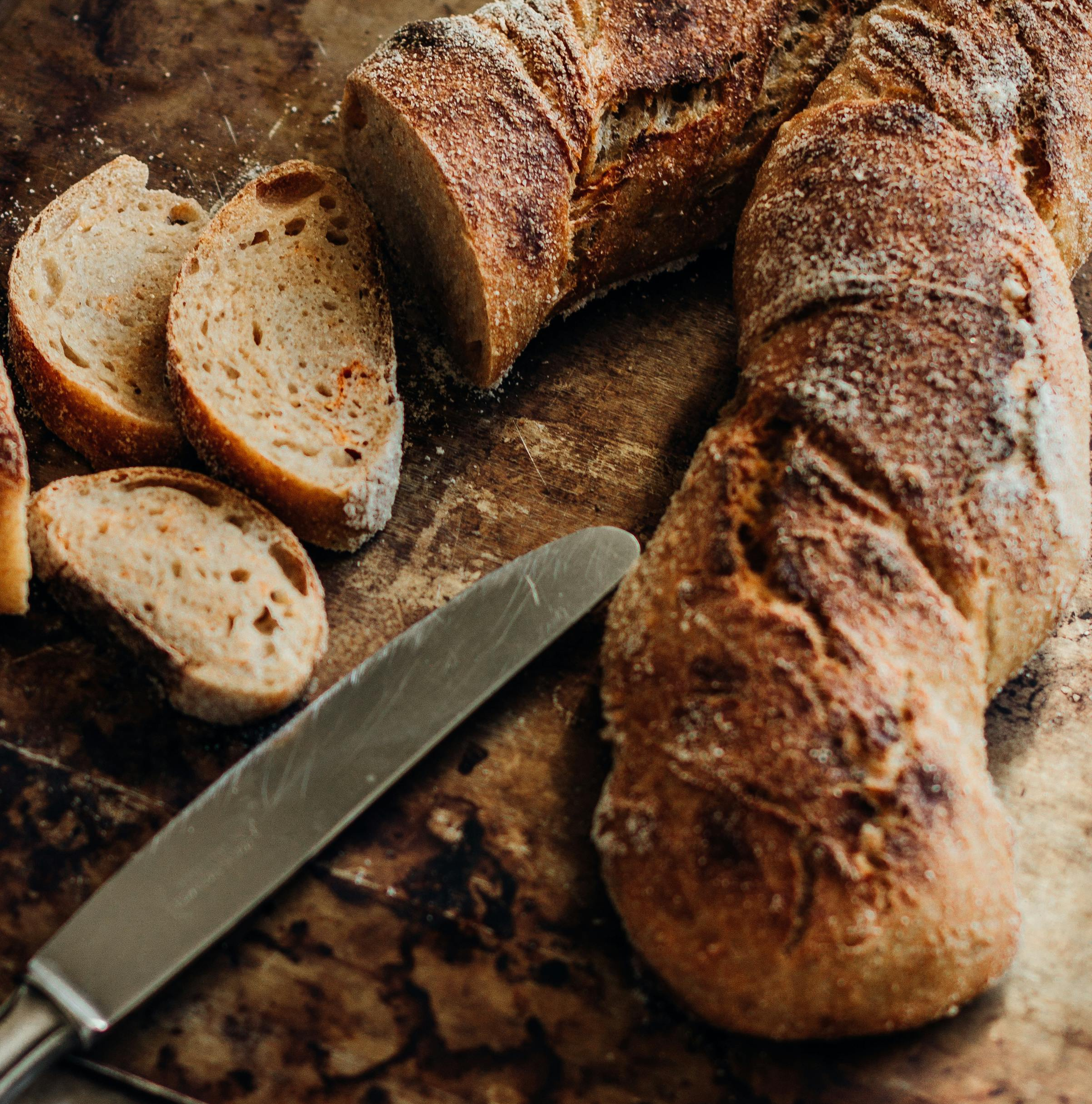
In these "Blue Zones" (regions with the highest concentration of centenarians), bread is not a treat; it is a staple. But it is not the bread you find in a supermarket. It is sourdough. And it is arguably one of the most important longevity foods on the planet.
The wellness industry loves isolation. It takes a complex biological process, isolates a single "active ingredient," and sells it in a capsule. This reductionist approach has created a billion-dollar market for probiotic supplements.
Commercial bread requires almost no chewing, dissolves instantly in the stomach, and leaves you hungry again within an hour. But sourdough is a different material entirely. It is dense. It is structured. And crucially, it is acidic.

There is a second nervous system in your body, one so complex and autonomous that scientists call it "The Second Brain." It is located not in your skull, but in your gut. This represents the Enteric Nervous System (ENS). And it doesn't just digest food. It manufactures the chemistry of your mood.
Because wheat contains both gluten and fructans, it is easy to confuse the two. When you stop eating bread, you eliminate both. You feel better. You blame the gluten. But you may have simply lowered your FODMAP load.
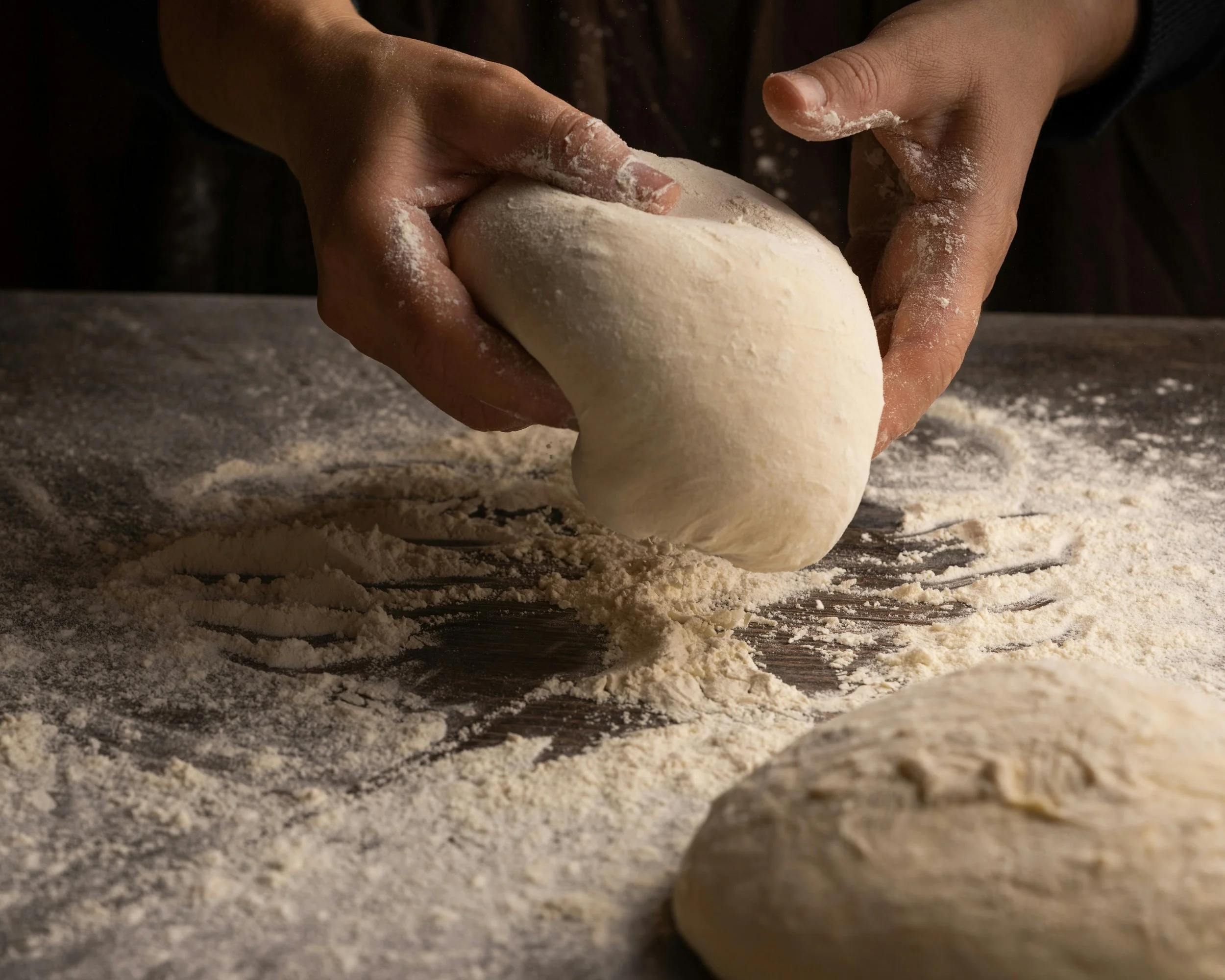
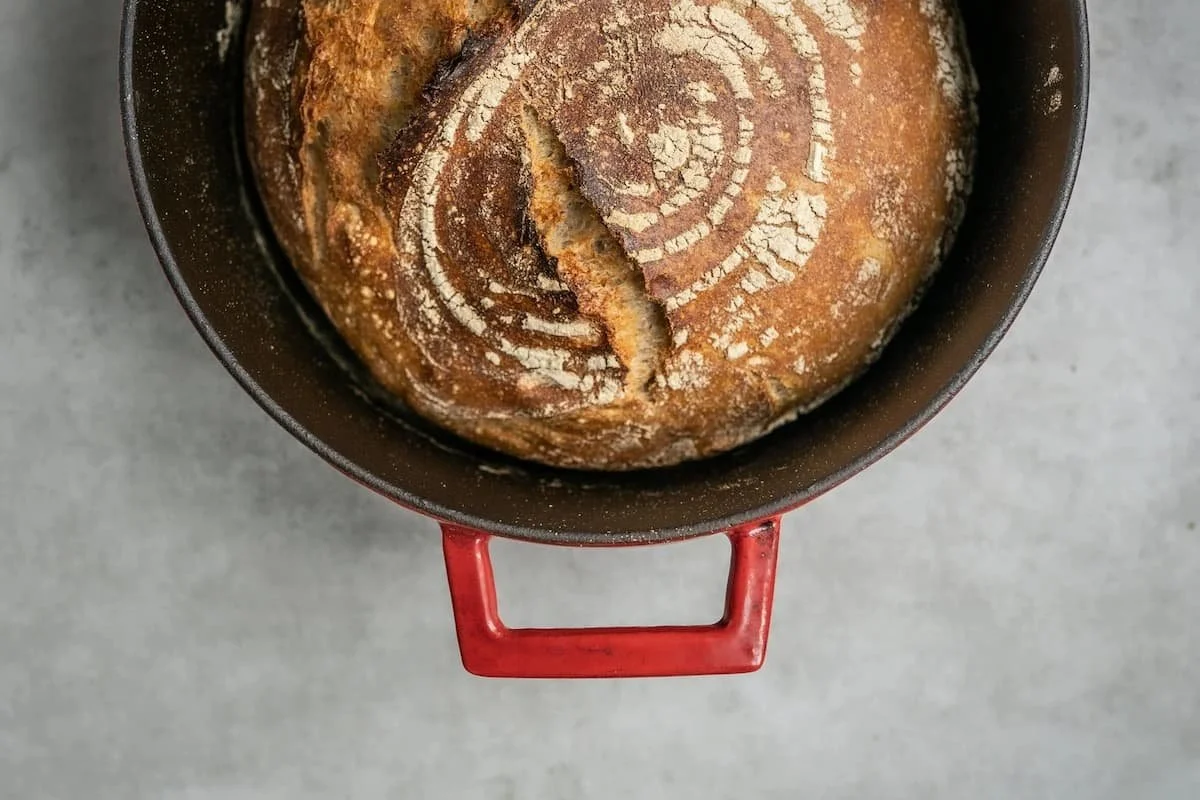
When a baker talks about "strength," they are usually talking about elasticity—the ability of dough to snap back. This is the hallmark of commercial yeast bread. It is rubbery, tight, and resilient. But a sourdough baker looks for something else: Extensibility. The ability to stretch without tearing.
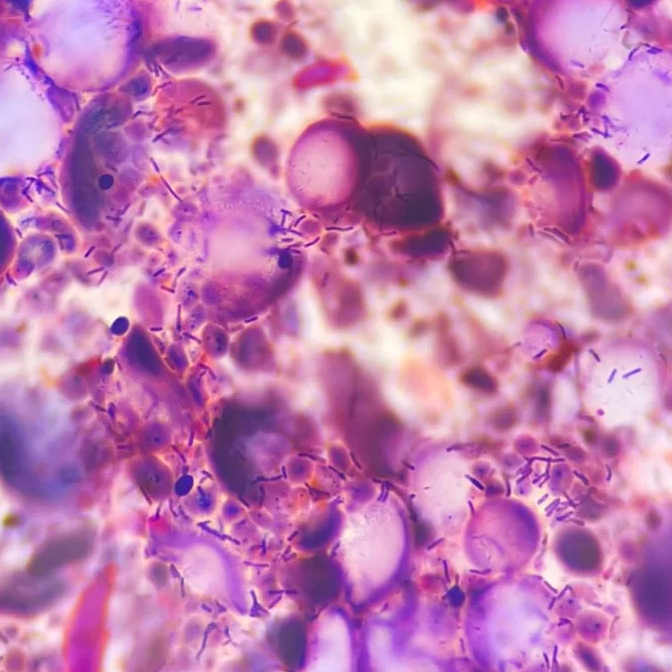
In the world of baking, the word "yeast" is used carelessly. We treat the beige granules in a packet and the wild population in a sourdough starter as if they are the same organism just living at different speeds. They are not.
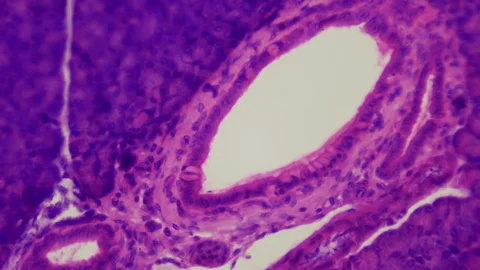
Microbes are hungry. To survive, they need sugar. But flour is not sugar. It is starch—long, complex chains of glucose molecules locked together in granules. For a yeast cell, a starch granule is like a boulder. It is too big to eat. Before the yeast can feast, someone has to break the rock. This is the job of Amylase.
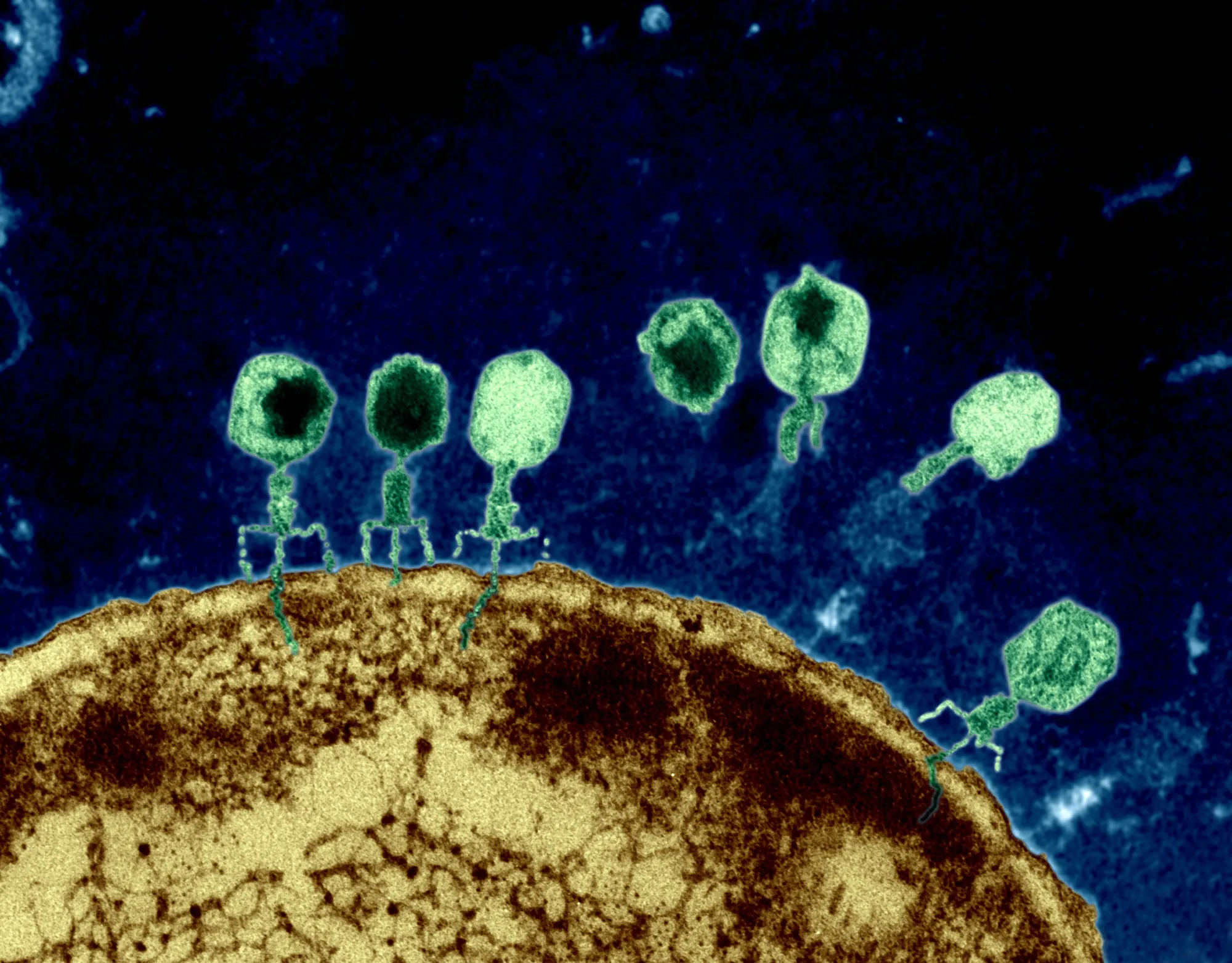
You can see mold. You can smell kahm yeast. But the most lethal predator in your sourdough starter is entirely invisible. They are Bacteriophages (or simply "Phages"). They are viruses that hunt bacteria. And in the dense microbial city of a sourdough culture, they are the apex predators.
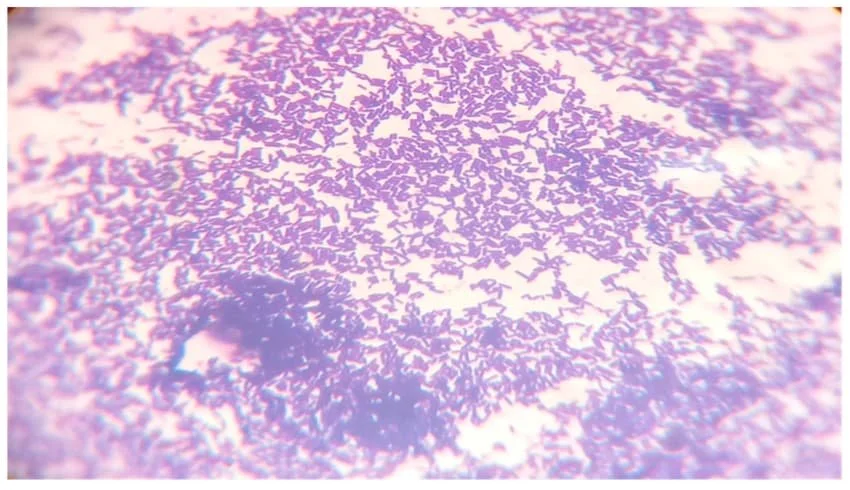
Lactobacillus plantarum is a survivor. It is the "Navy SEAL" of the lactic acid bacteria. It is found everywhere: in sauerkraut, pickles, kimchi, olive brines, and—crucially—in the most robust sourdough starters.
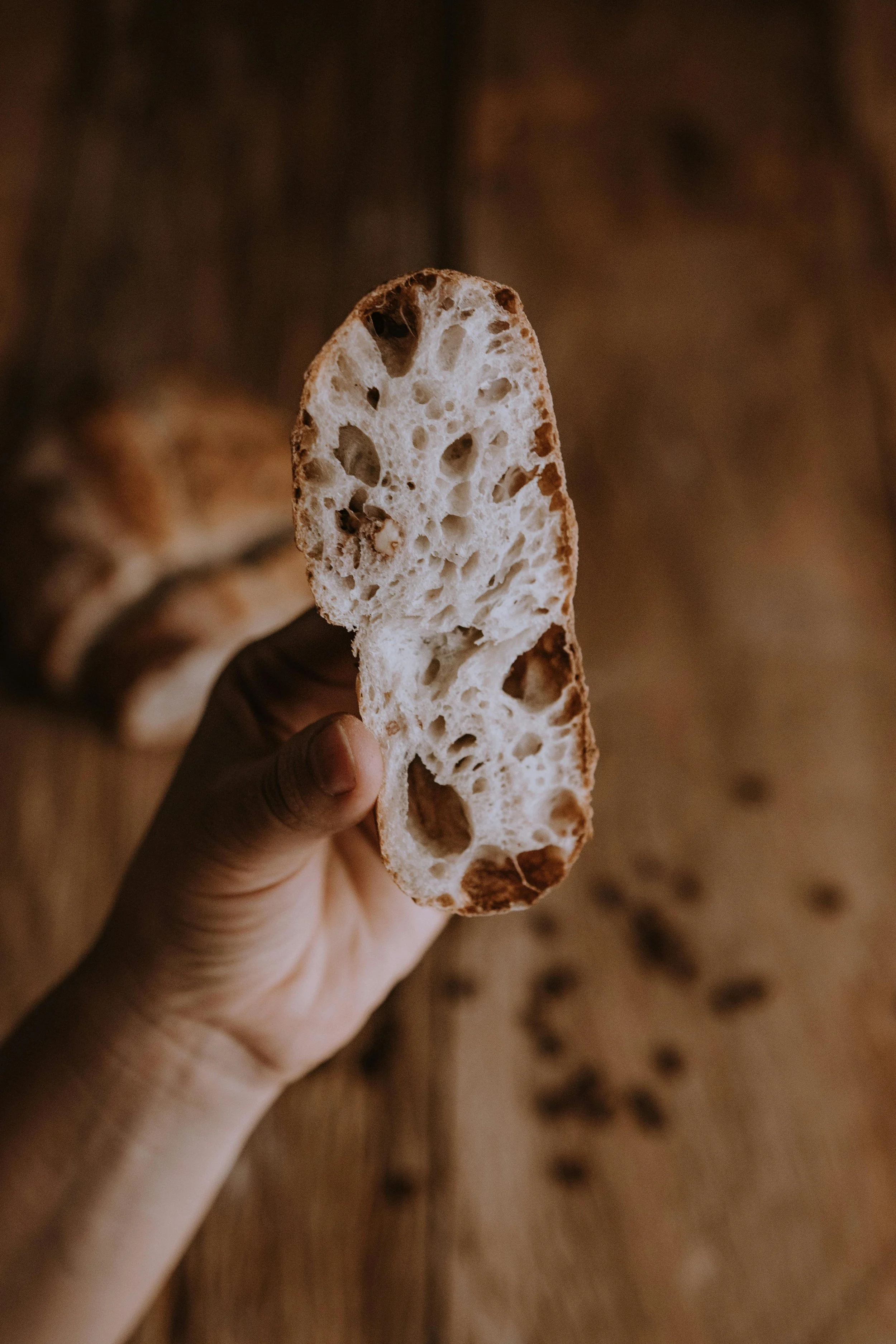
You can have the most active starter in the world, pumping out massive amounts of Carbon Dioxide (CO2). But if your dough cannot trap that gas, your bread will be a brick. This is the principle of Gas Retention.
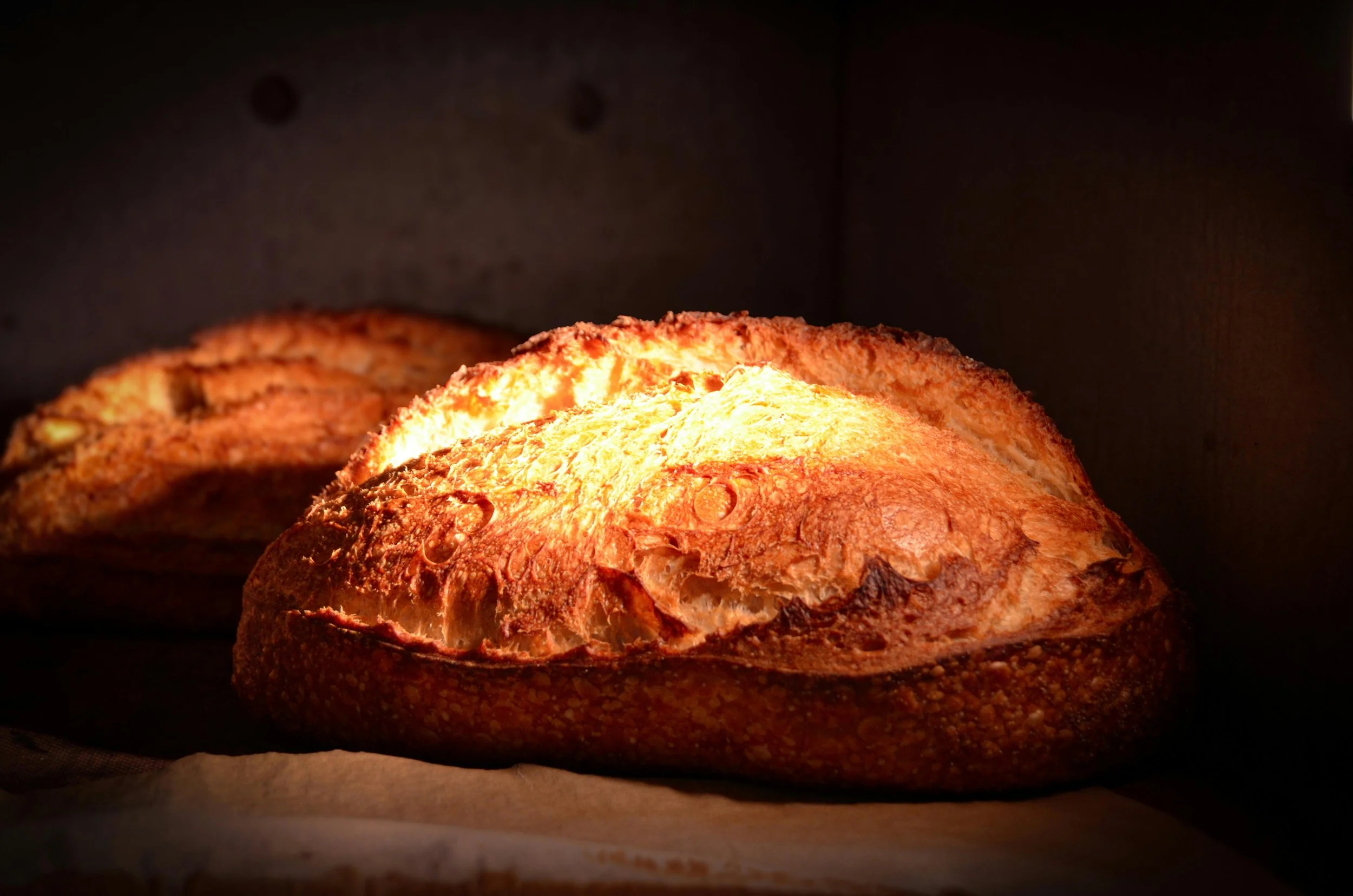
When you slide a loaf into a 250°C oven, you are subjecting the microbial city inside to a rapid climate change. For the first few minutes, the yeast and bacteria actually work faster (the "Oven Spring"). But as the internal temperature rises, they hit a wall. This is the Thermal Death Curve.
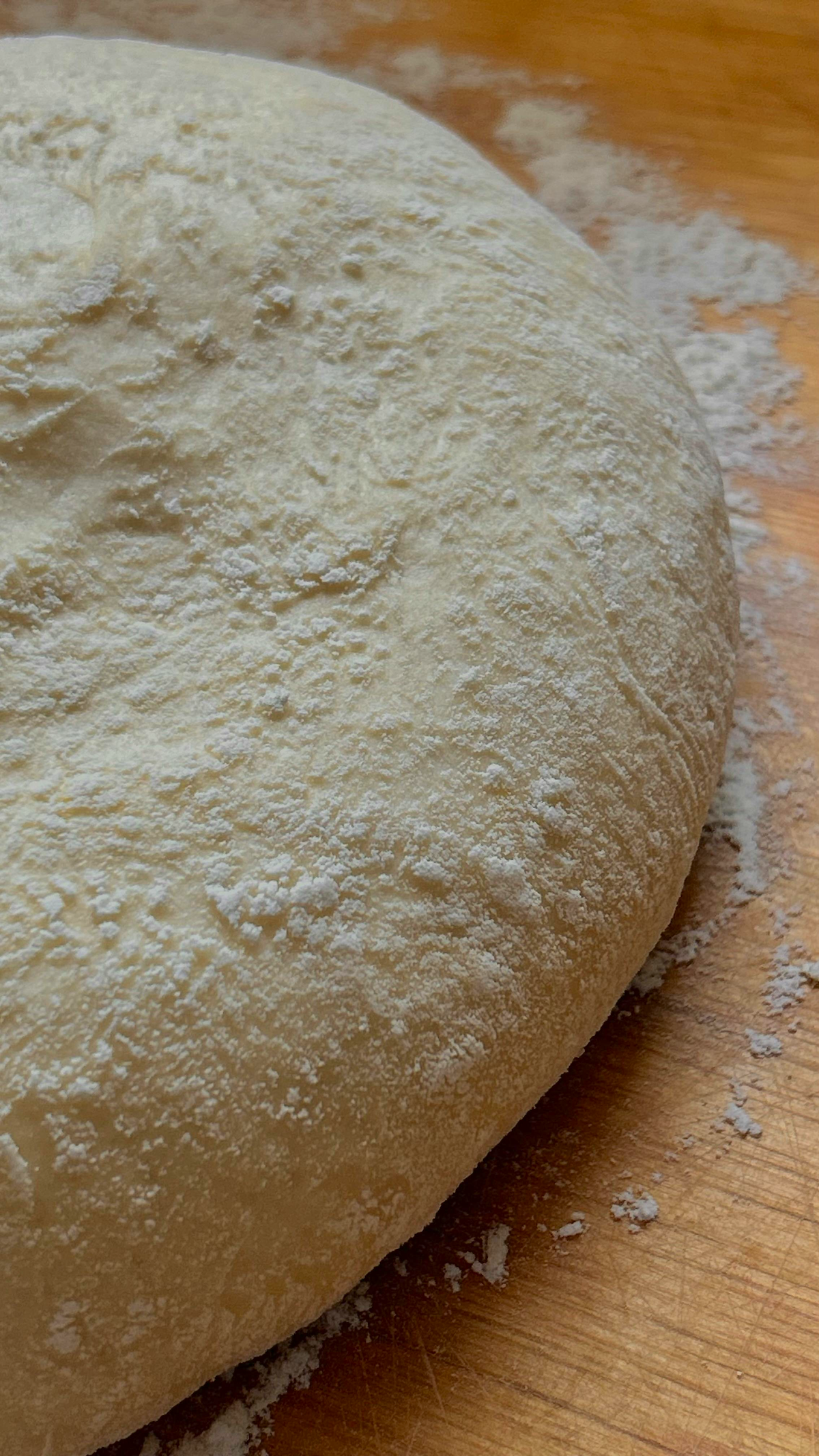
At high altitudes, the air pressure is lower. This invisible change alters the behaviour of every gas bubble and water molecule in your dough. To bake successfully, you must adjust your variables to match your environment.
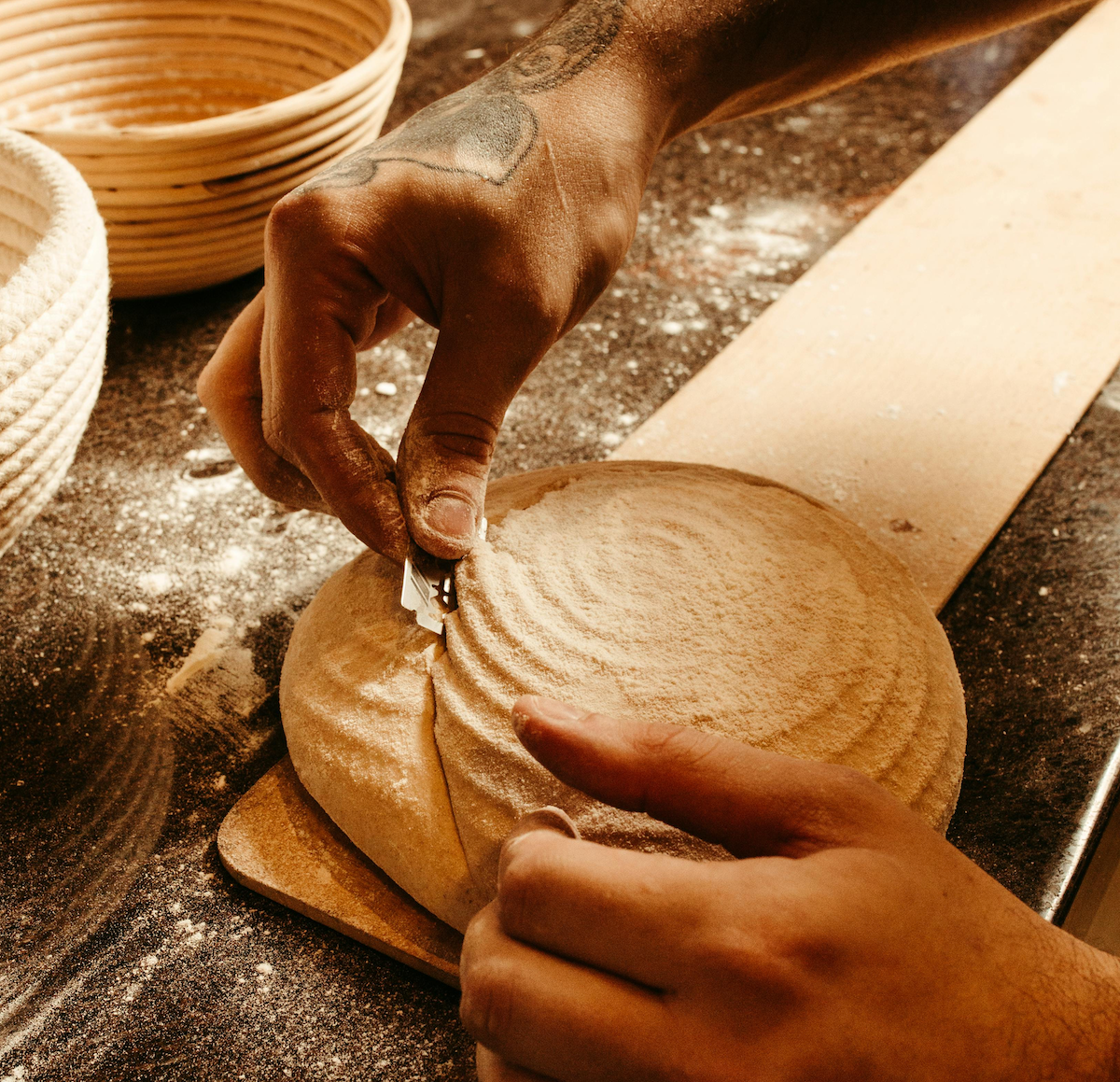
The ear is more than decoration. It is functional physics. It is the visual proof that your loaf expanded to its maximum potential before the crust hardened. To get an ear, you must master the forces of Tension and Differential Expansion.
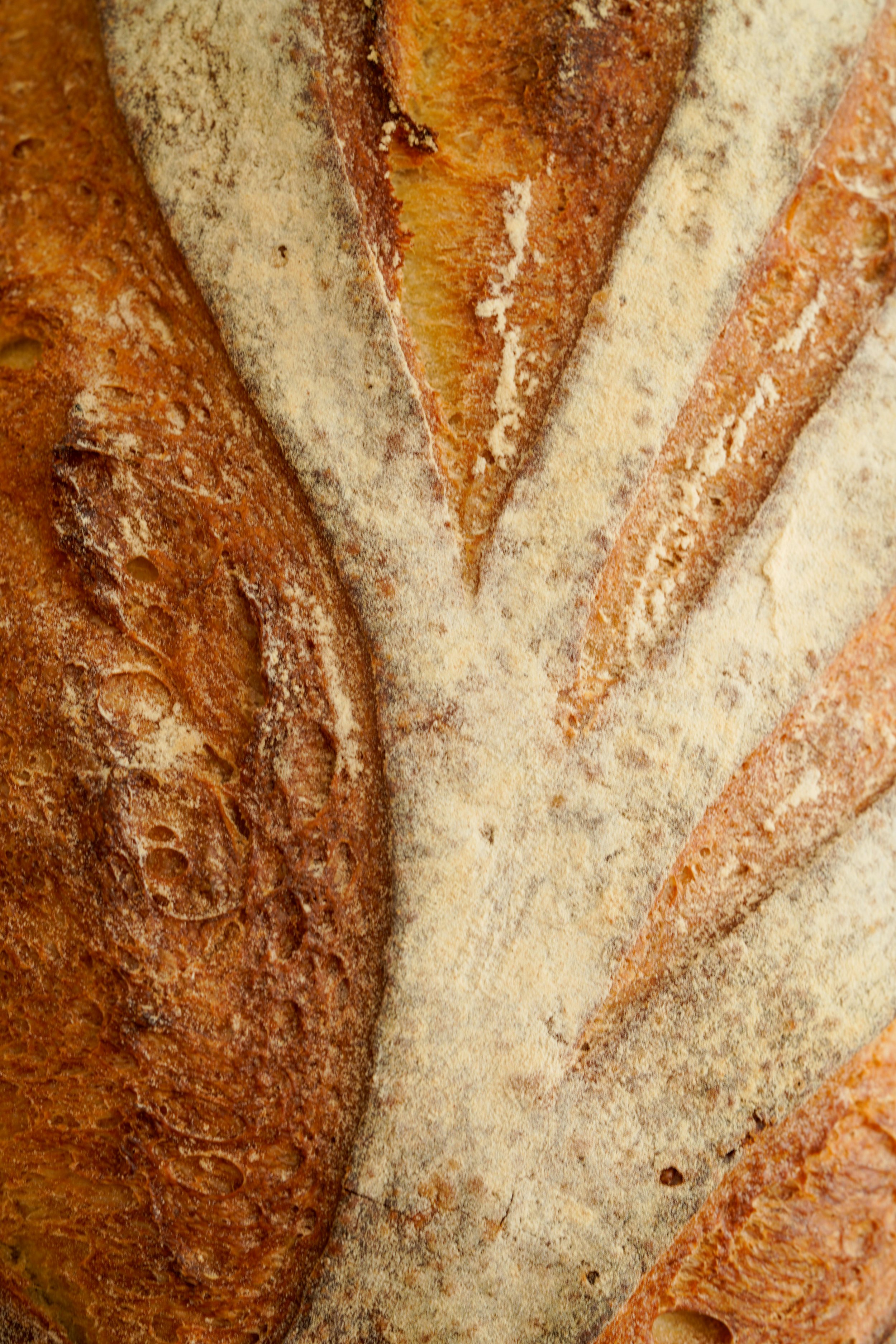
It seems like a contradiction. If you want a dry, crispy crust, why would you flood your oven with water? Yet, every professional baker knows that steam is the secret ingredient. A loaf baked in a dry oven will be dull, dense, and grey. A loaf baked in steam will be glossy, voluminous, and shatteringly crisp.
The true clock of sourdough is not measured in minutes, but in pH. The transformation of dough from a simple mixture of flour and water into a complex, digestible, and flavorful loaf is driven by acidification. Understanding the curve of this drop is the difference between a loaf that is bland and gummy, and one that sings.

Red Fife is Canada's oldest wheat. Unlike modern "monoculture" wheat, Red Fife is a landrace, meaning there is significant genetic diversity within a single bag of flour. This diversity translates directly to the palate.
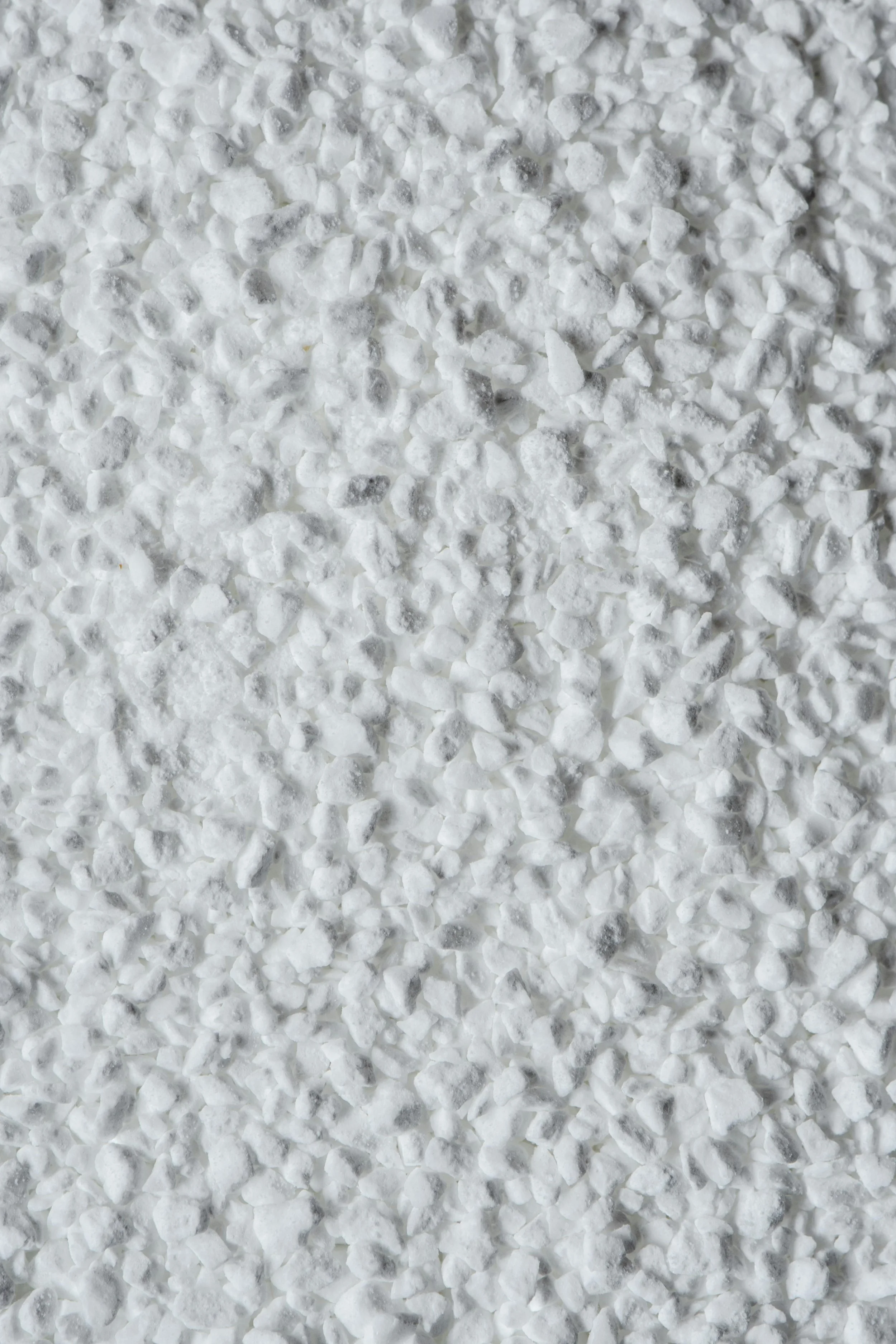
Sugar is viewed by many purists as a "cheat." But biologically, it is simply high-octane fuel. While flour starch must be broken down by amylase before the yeast can eat it, sugar provides an immediate, ready-to-eat feast.
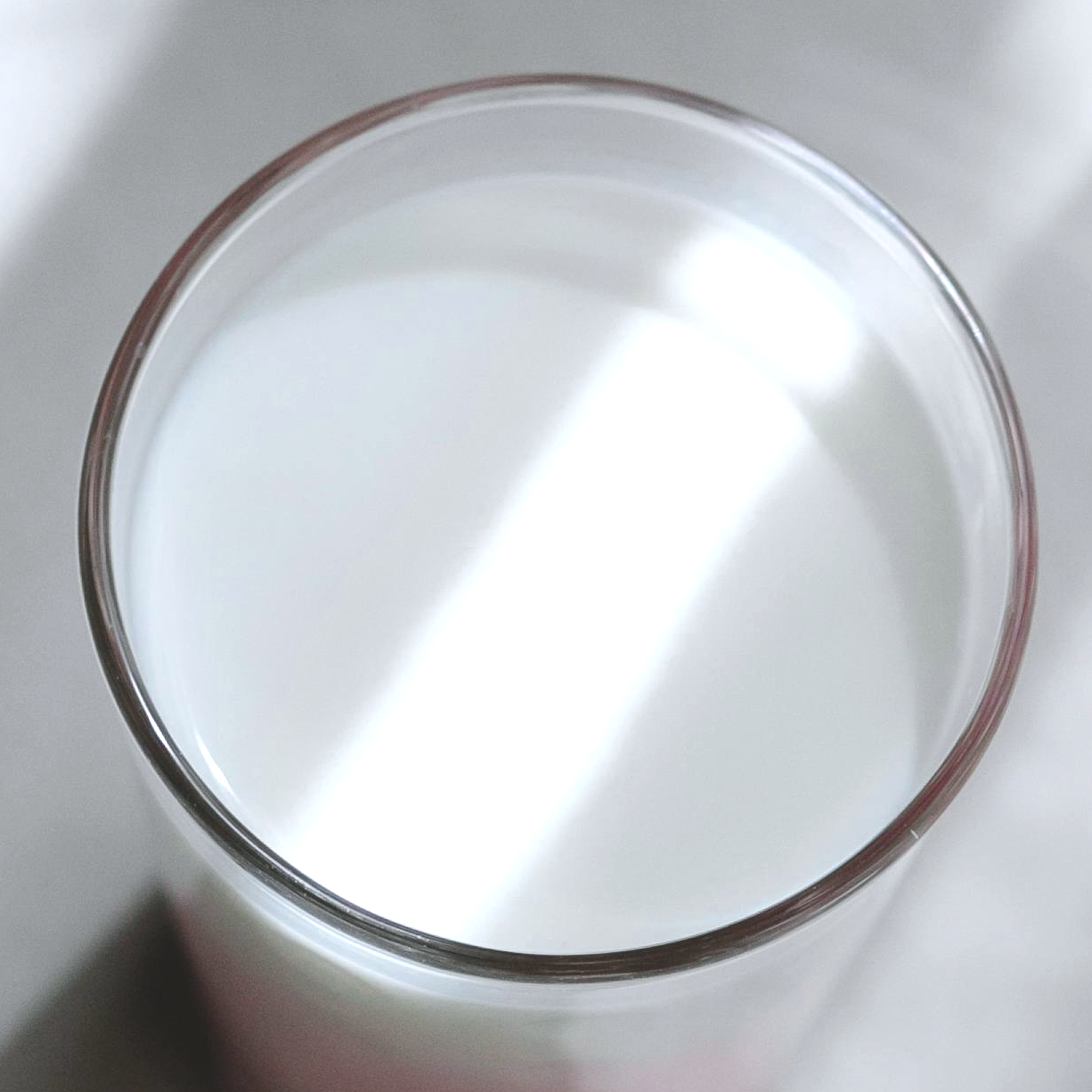
Water is neutral. Milk is complex. By swapping water for milk (as in Shokupan or Sandwich Bread), you introduce three new variables: Fat, Protein (Casein), and Sugar (Lactose).
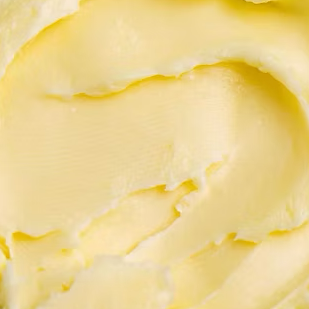
Butter is the bridge between bread and pastry. In small amounts, it softens. In large amounts (like Brioche), it transforms the dough into a foam-like structure that is more air than wheat.
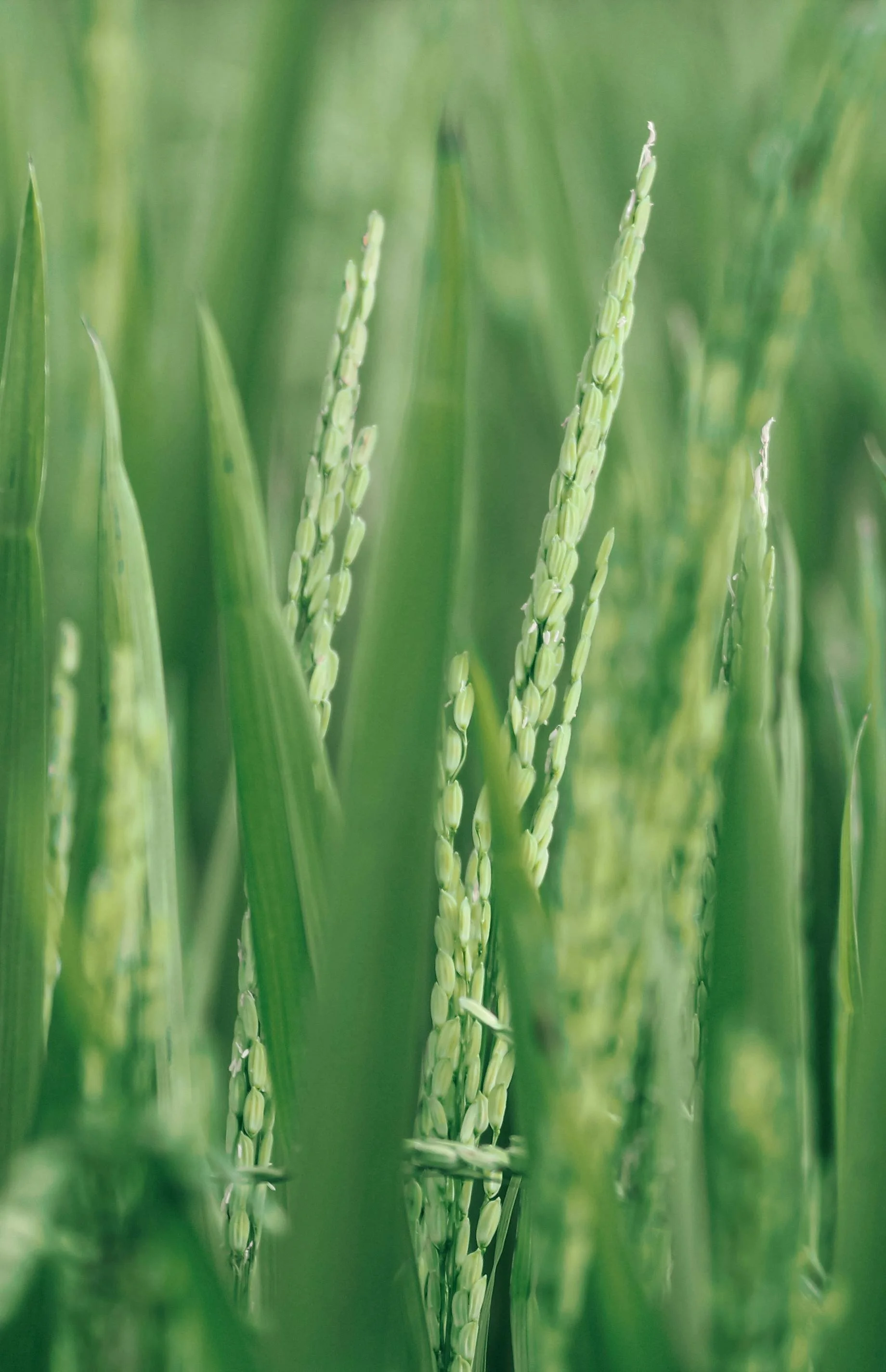
Rice flour is the one flour in your arsenal that should never go inside your wheat dough (unless you are baking gluten-free). Its role is purely external. It is the mechanic’s glove.
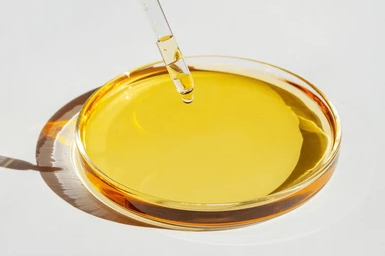
Sourdough is traditionally lean (Flour, Water, Salt). When you introduce a lipid like Extra Virgin Olive Oil, you are entering the territory of "Enriched Dough." You are trading some crust crispness for crumb tenderness.
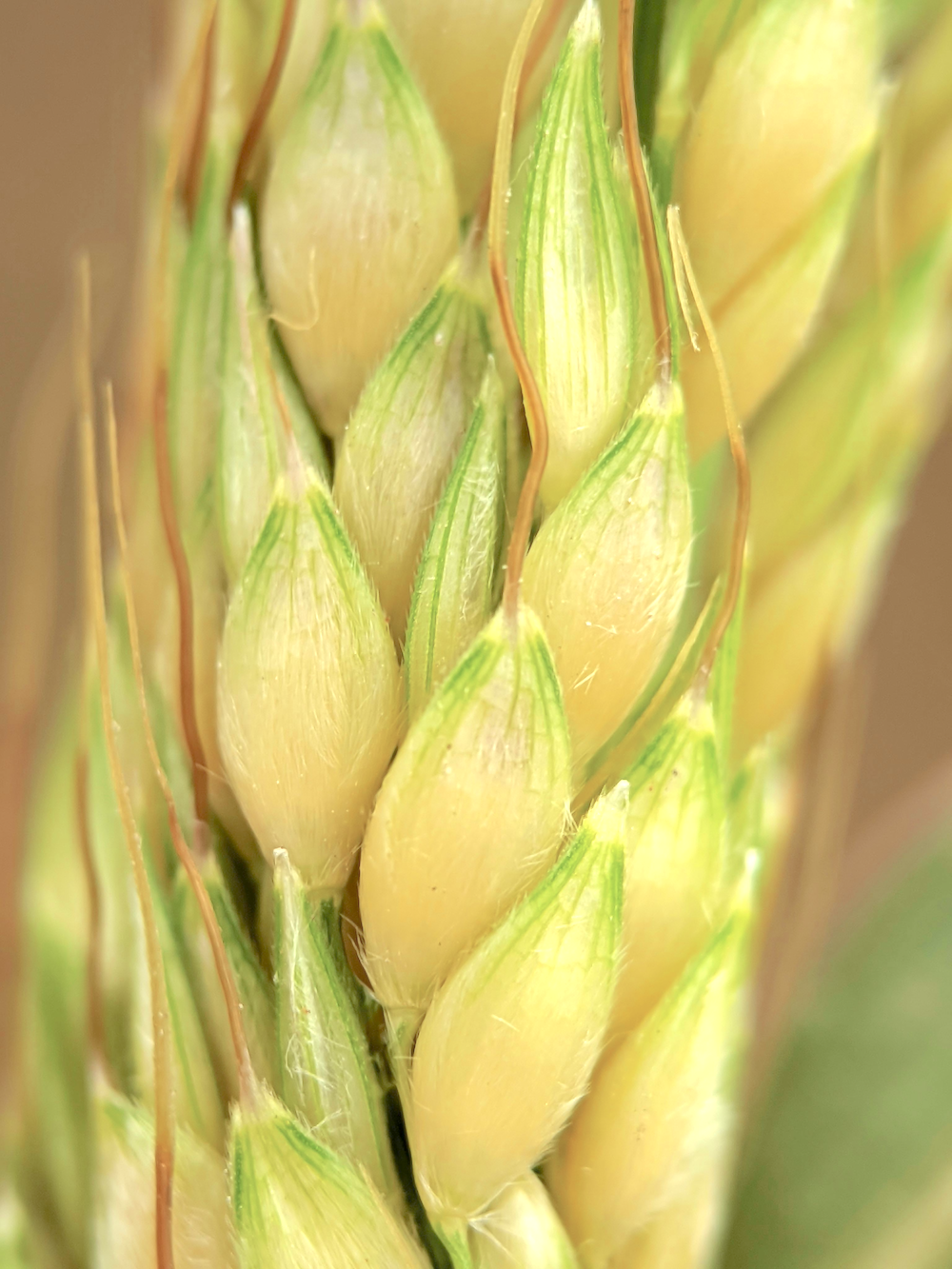
White flour is a fuel source; Whole Wheat is a meal. By including the bran (the outer shell) and the germ (the embryo), you introduce a complex array of minerals and fibres that fundamentally change the physics of the dough.
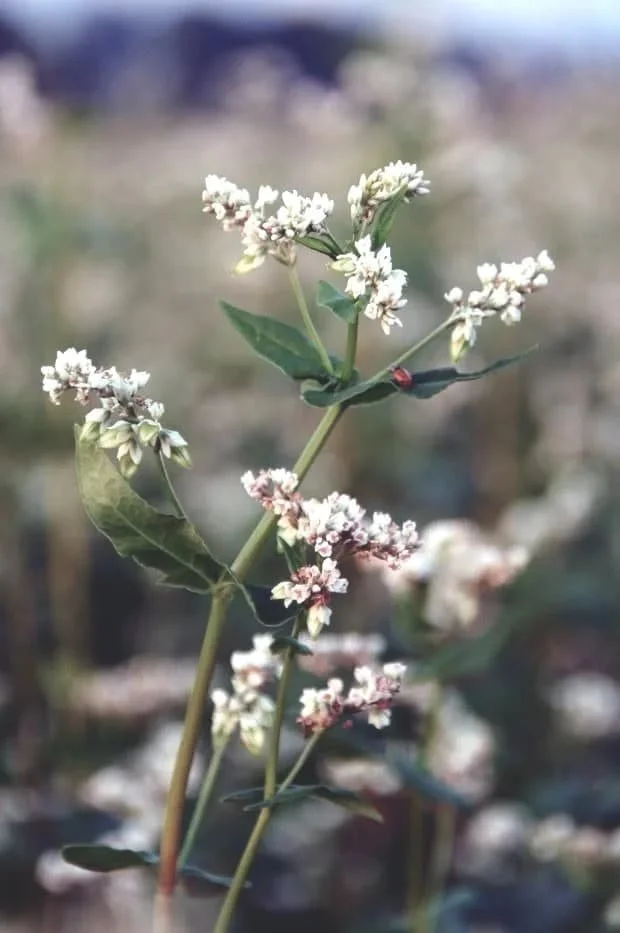
Buckwheat is not wheat. It is not even a grain. It is a fruit seed related to rhubarb. For the sourdough baker, it is a powerful tool for water retention.
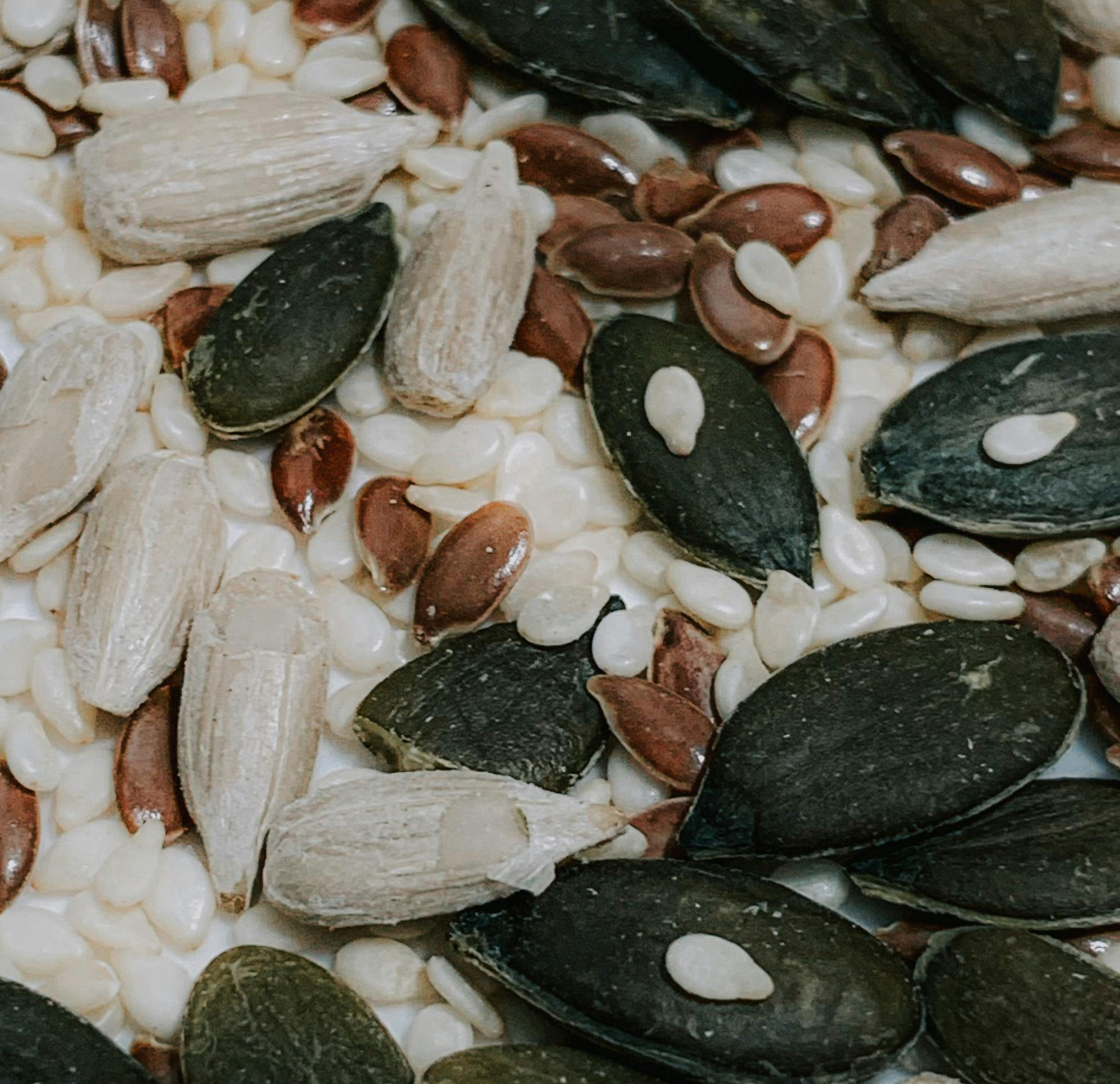
Seeds are not passive additions to bread. They are biologically active sponges. If you throw raw seeds into your dough, they will compete with the gluten for water, often winning the war and leaving you with a dry, tight loaf.
Water is not just a filler; it is the trigger. Flour in a bag is biologically dormant. It is only when water is introduced that the enzymes (amylase and protease) wake up and the biological clock begins to tick.
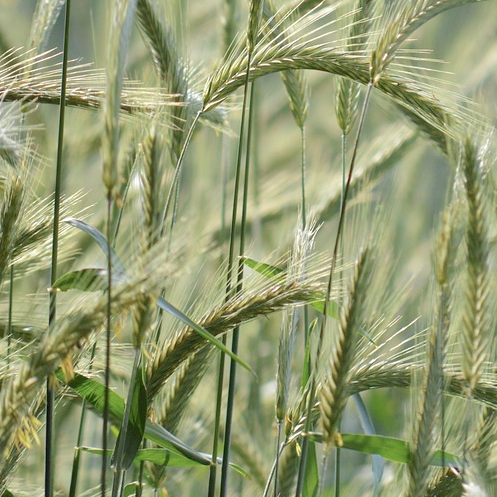
White flour provides the structure (gluten), but Rye flour provides the fuel. Many bakers view Rye simply as a flavour additive, but biologically, it acts as a high-octane injection for your fermentation engine.
Professional bakers have a secret weapon for achieving that dark, mahogany crust and open interior: Malt. But not all malt is created equal. You must distinguish between "Diastatic" (Active) and "Non-Diastatic" (Inactive).
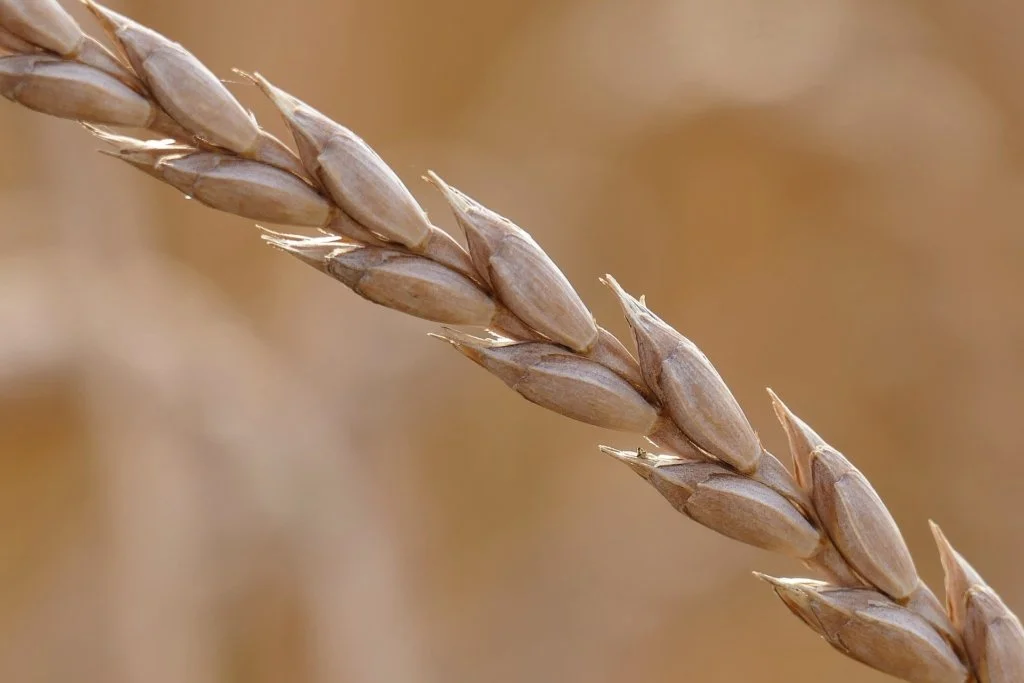
Spelt is the ancient cousin of modern wheat. Many bakers switch to it for its nutty flavour or perceived health benefits, but they are often shocked when their dough collapses into a puddle.
If you are doing everything right but your starter refuses to rise, look at your tap. Municipal water treatment is a triumph of public health, designed to kill bacteria. Your sourdough starter is bacteria.
In the culinary world, salt is a seasoning. It makes food taste "more like itself." In the biological world of sourdough, salt is a weapon. It is the primary control mechanism you have to regulate the speed, strength, and safety of your fermentation.
In the world of diet culture, lectins—specifically Wheat Germ Agglutinin (WGA) found in whole grains—have become a villain. They are accused of binding to the gut lining, causing "Leaky Gut," and triggering systemic inflammation.