
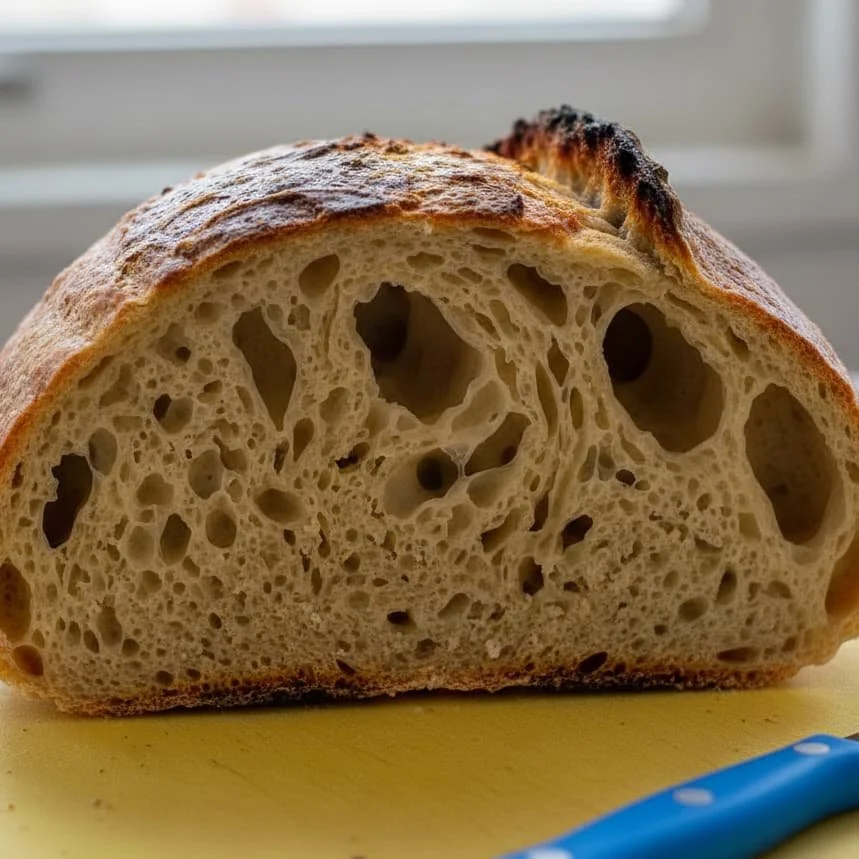
Troubleshoot: The "Fool's Crumb"
In the pursuit of the "Instagram Crumb"—that wild, open lattice of air pockets—many bakers fall into a specific trap. You slice the loaf and see massive, cavernous holes. You celebrate. But when you eat it, the bread is heavy, chewy, and dense.
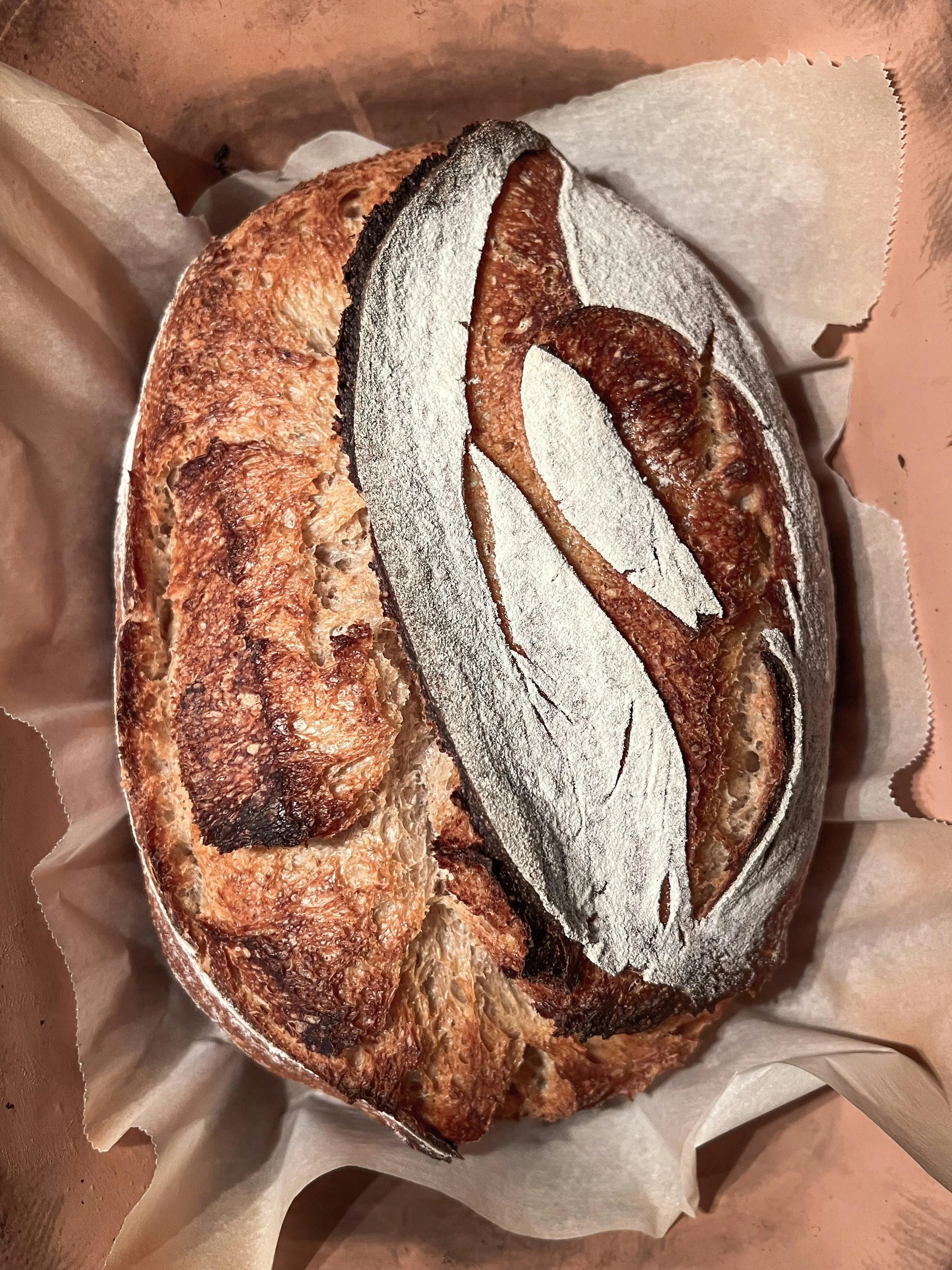
Scoring Mechanics: Functional Expansion vs. Decorative Art
Scoring is the act of creating a controlled weakness in the "skin" of the loaf. Without it, the massive pressure of oven spring will find its own way out, usually rupturing the loaf in an ugly "blowout" at the bottom [1]. There are two types of cuts: Functional and Decorative.
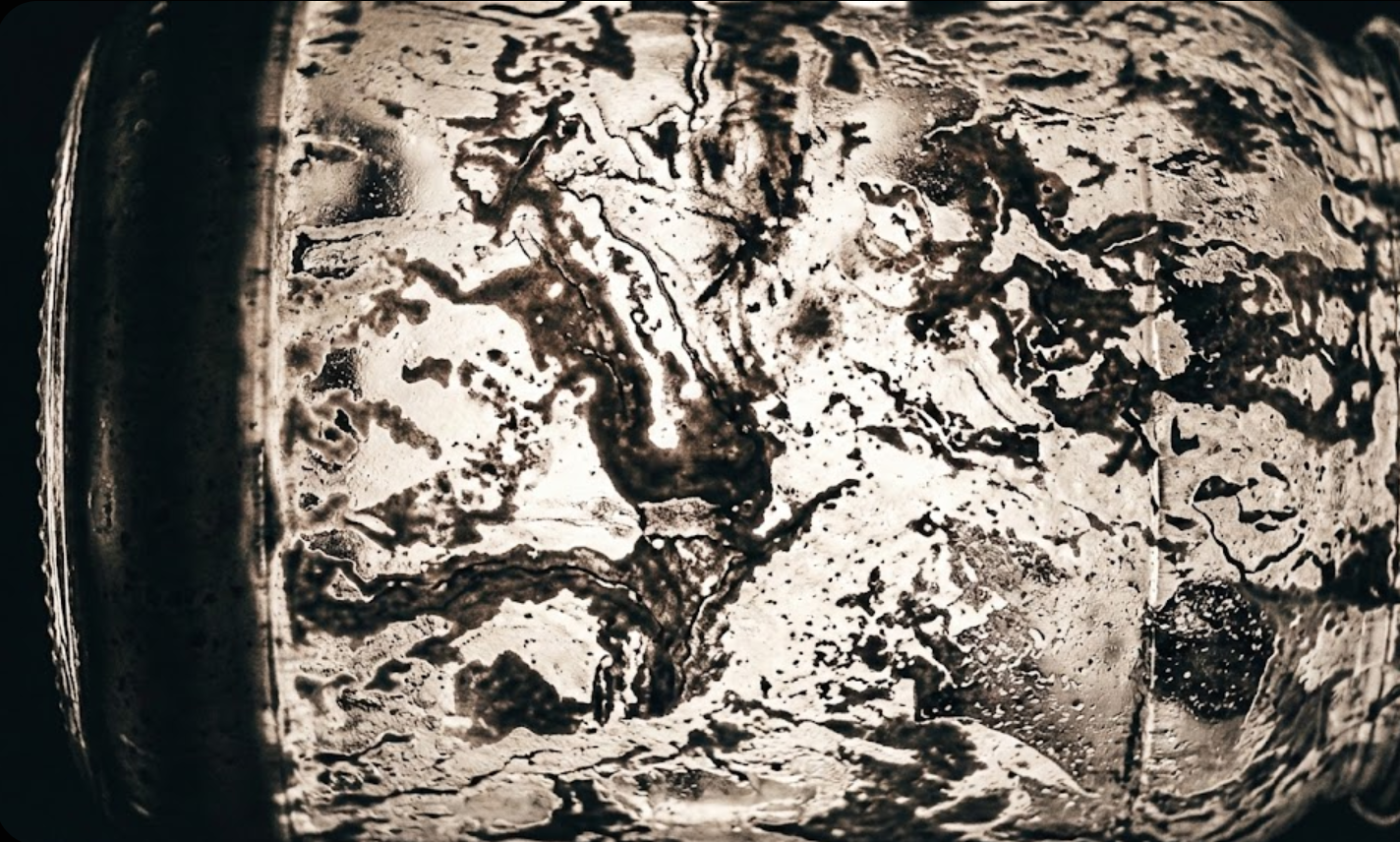
The "Scrapings" Method: Zero Waste Maintenance
Standard sourdough maintenance protocols are inherently wasteful. The classic "1:1:1" feeding ratio—where you discard half your starter to feed the rest—is a relic of a time when flour was cheap and understanding of microbiology was poor. Over the course of a year, a conscientious home baker following these rules will throw away kilograms of high-quality grain.
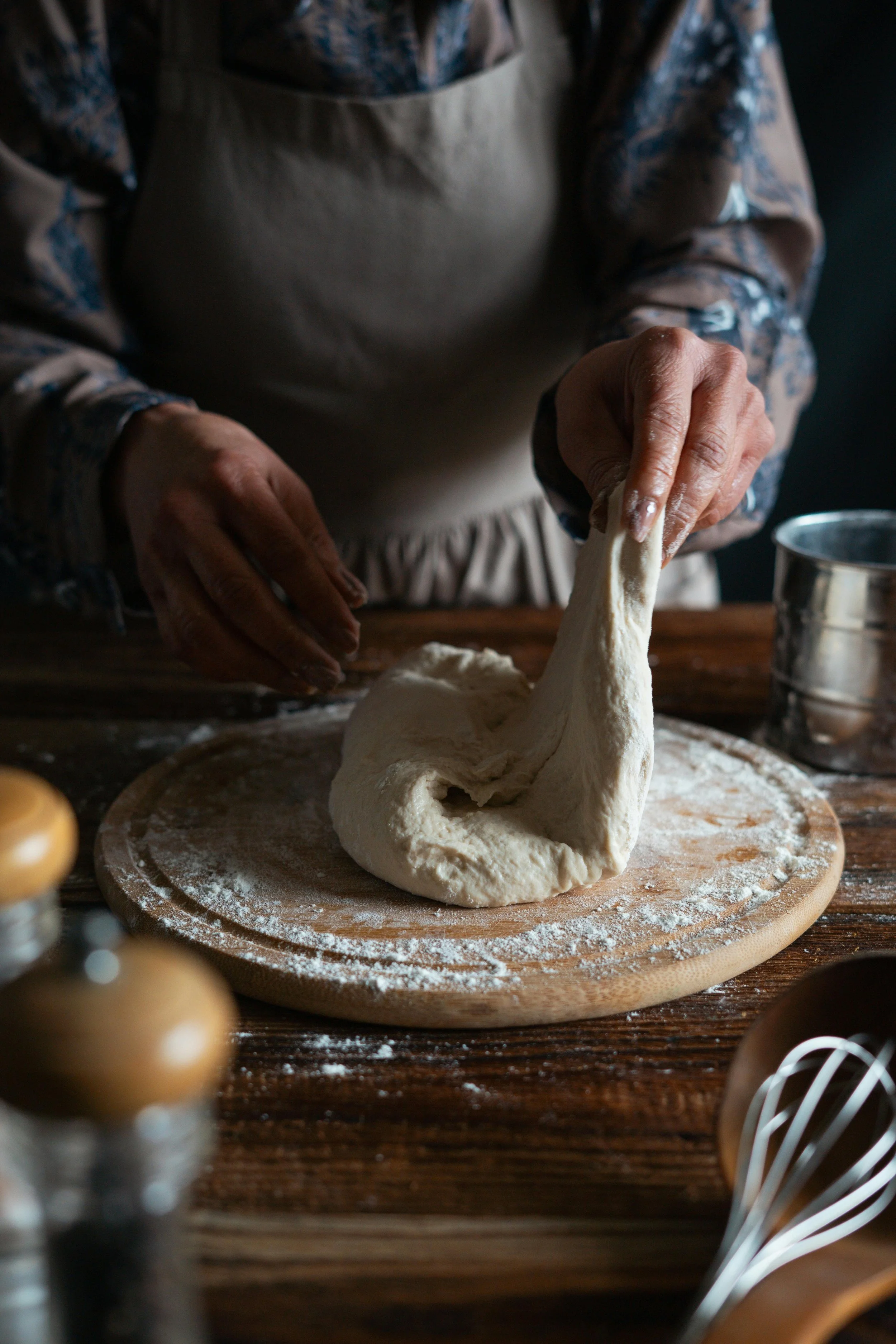
Tactile Metrics: The Windowpane, The Poke, The Jiggly Test
The only reliable clock is the dough itself. To read it, you must stop looking and start touching. These are the three Tactile Metrics that every sourdough baker must master to judge the invisible biology of the jar.
The Ultimate Guide to Autolyse
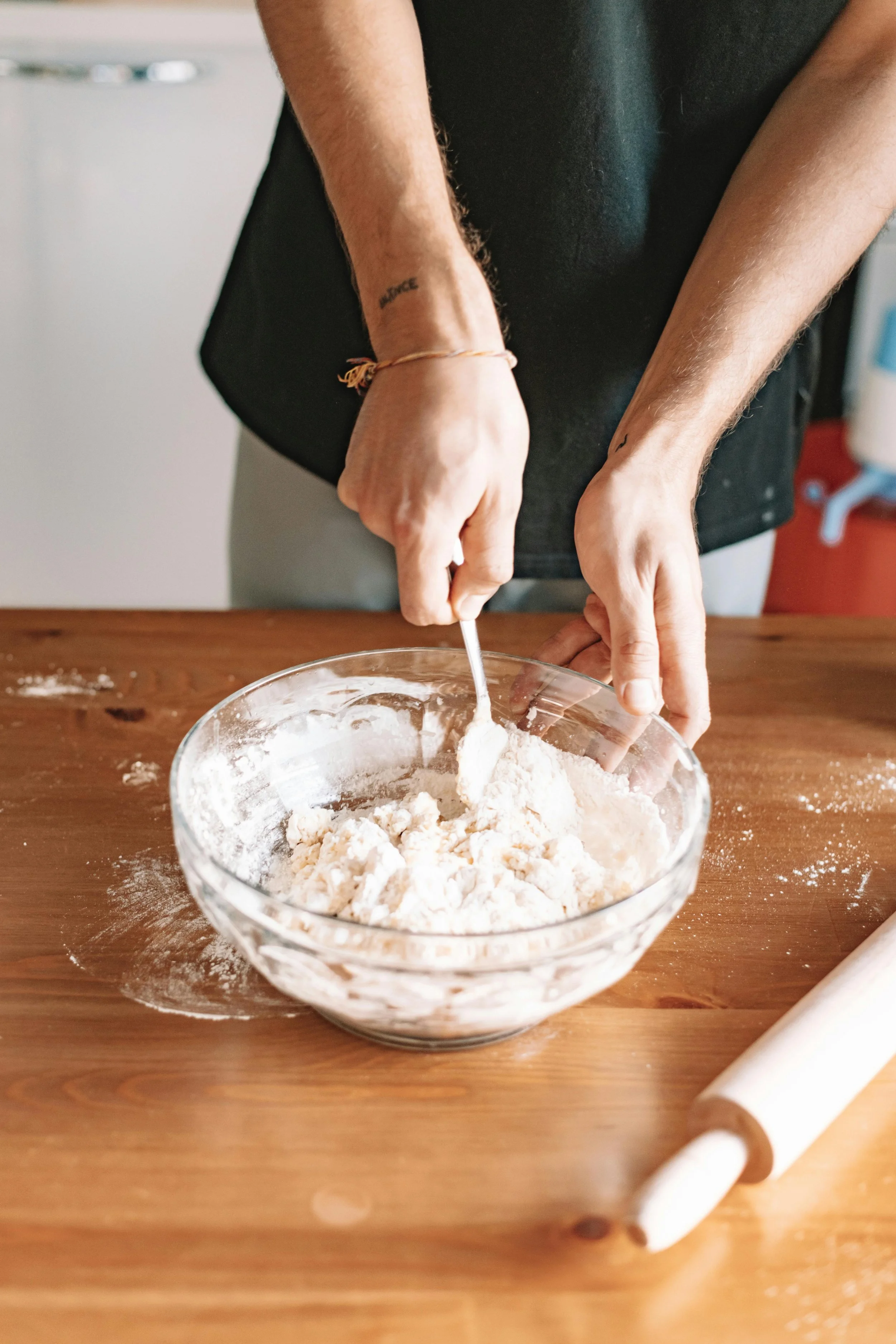
In the rush to get bread into the oven, many home bakers skip the first, most critical step of the process.
They mix everything at once—flour, water, starter, salt—and then wonder why their dough fights them. Why it tears when they stretch it. Why the crumb is tight. The missing variable is Autolyse.
Troubleshoot: Gummy Crumb
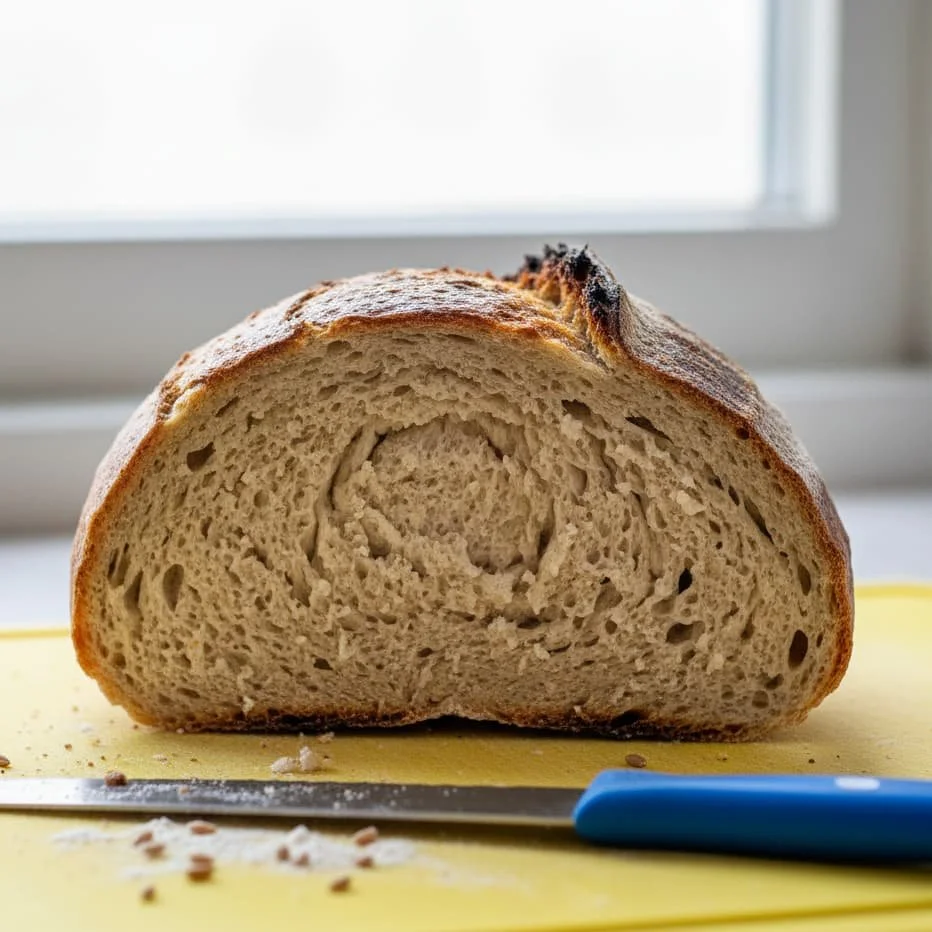
There is a specific heartbreak reserved for the moment you slice a beautiful loaf, only to find the knife coated in a sticky, shiny residue. The crumb looks wet. When you press it, it balls up like putty rather than springing back. It eats like raw dough.
The Starter Invaders: Mold, Kahm, and Pink Streaks
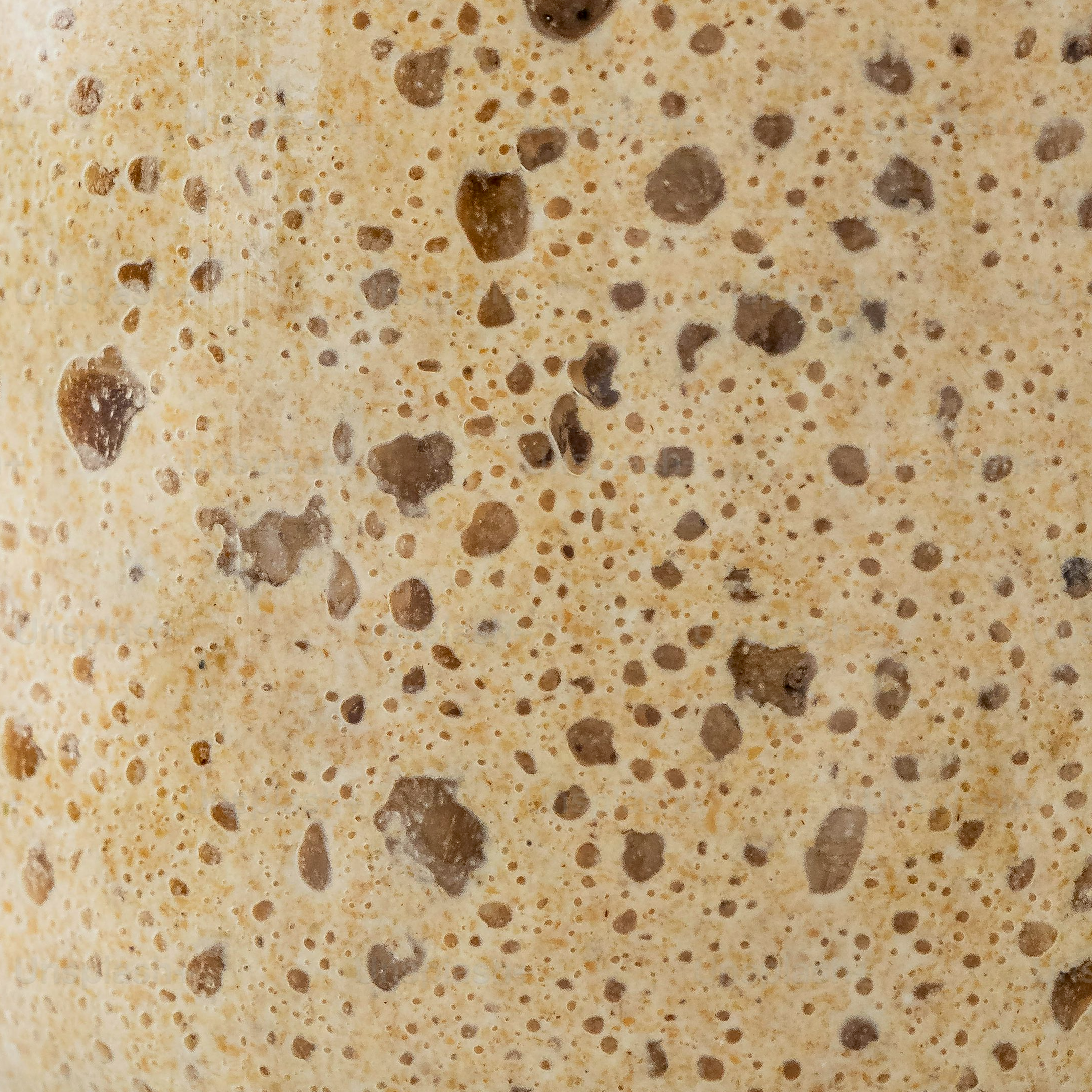
When you open your jar to find fuzzy islands, wrinkled skins, or neon streaks, it is a sign that the pact has been broken. The acid was not strong enough, or the invader was too resilient.
The Sourdough Ash Ratio
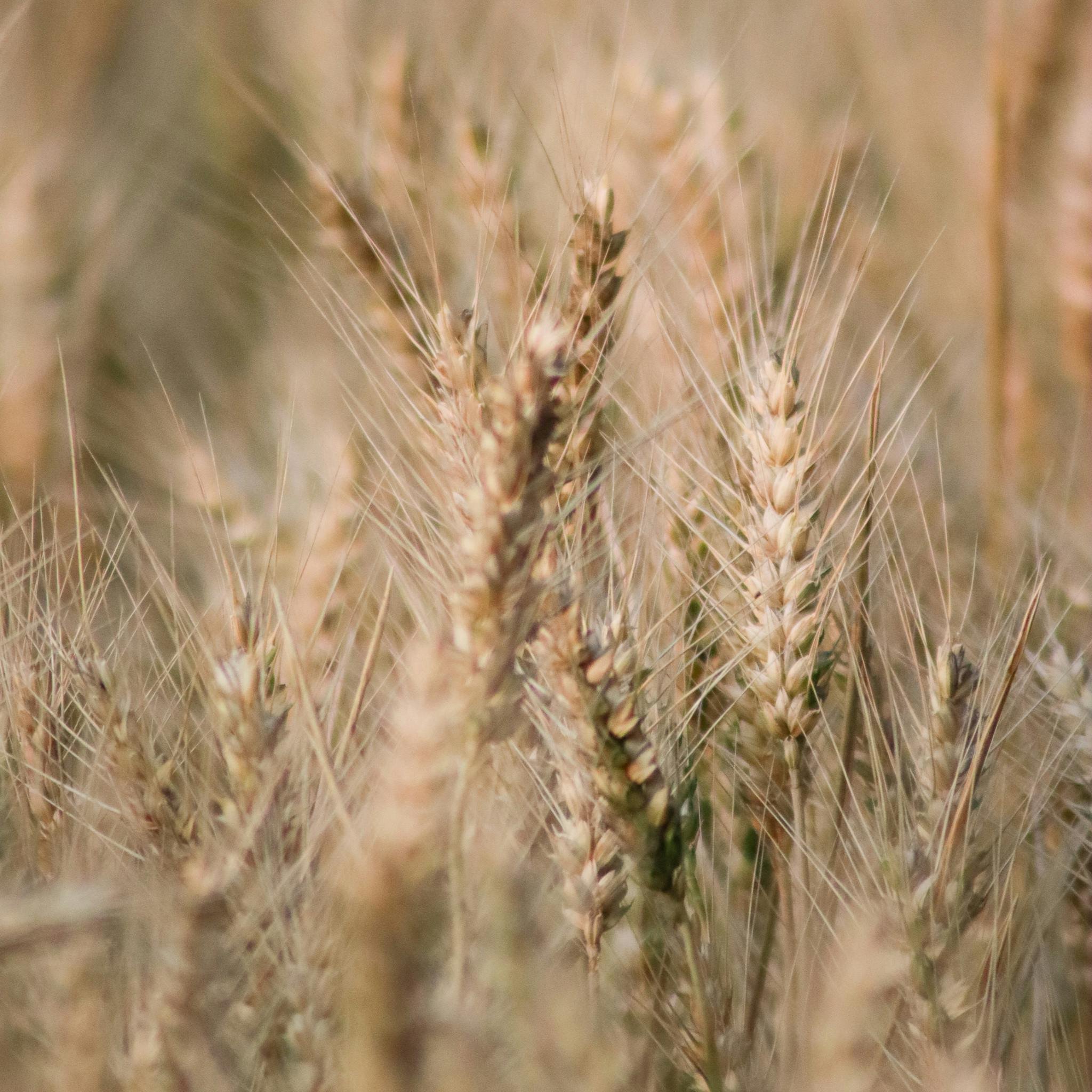
When you feed your starter exclusively with white bread flour, you are effectively putting your microbial colony on a diet of pure sugar while denying them the vitamins they need to metabolise it. You are creating a starter that is energy-rich but nutrient-poor.