
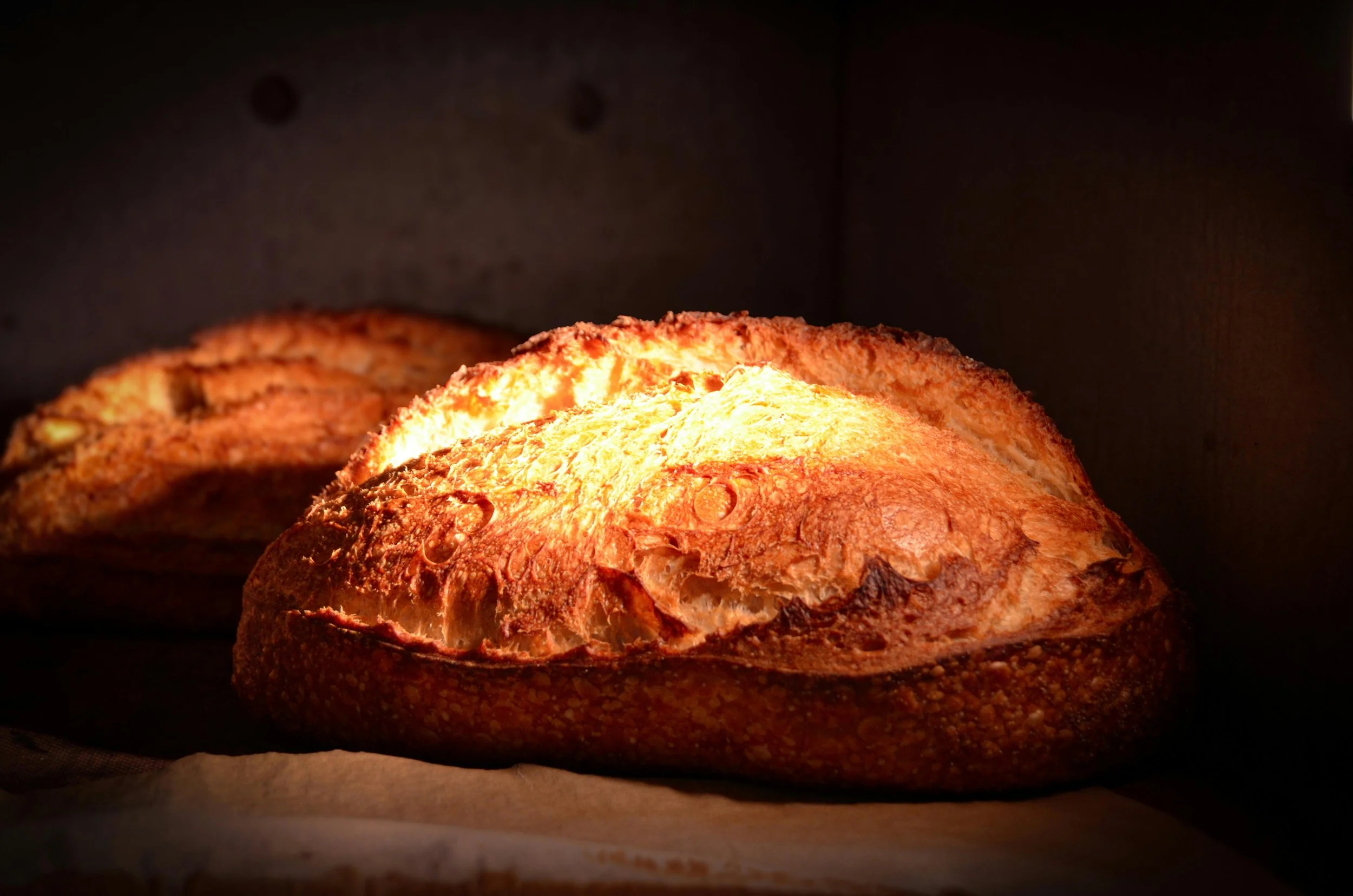
Thermal Death Curves: What Happens at 60°C?
When you slide a loaf into a 250°C oven, you are subjecting the microbial city inside to a rapid climate change. For the first few minutes, the yeast and bacteria actually work faster (the "Oven Spring"). But as the internal temperature rises, they hit a wall. This is the Thermal Death Curve.
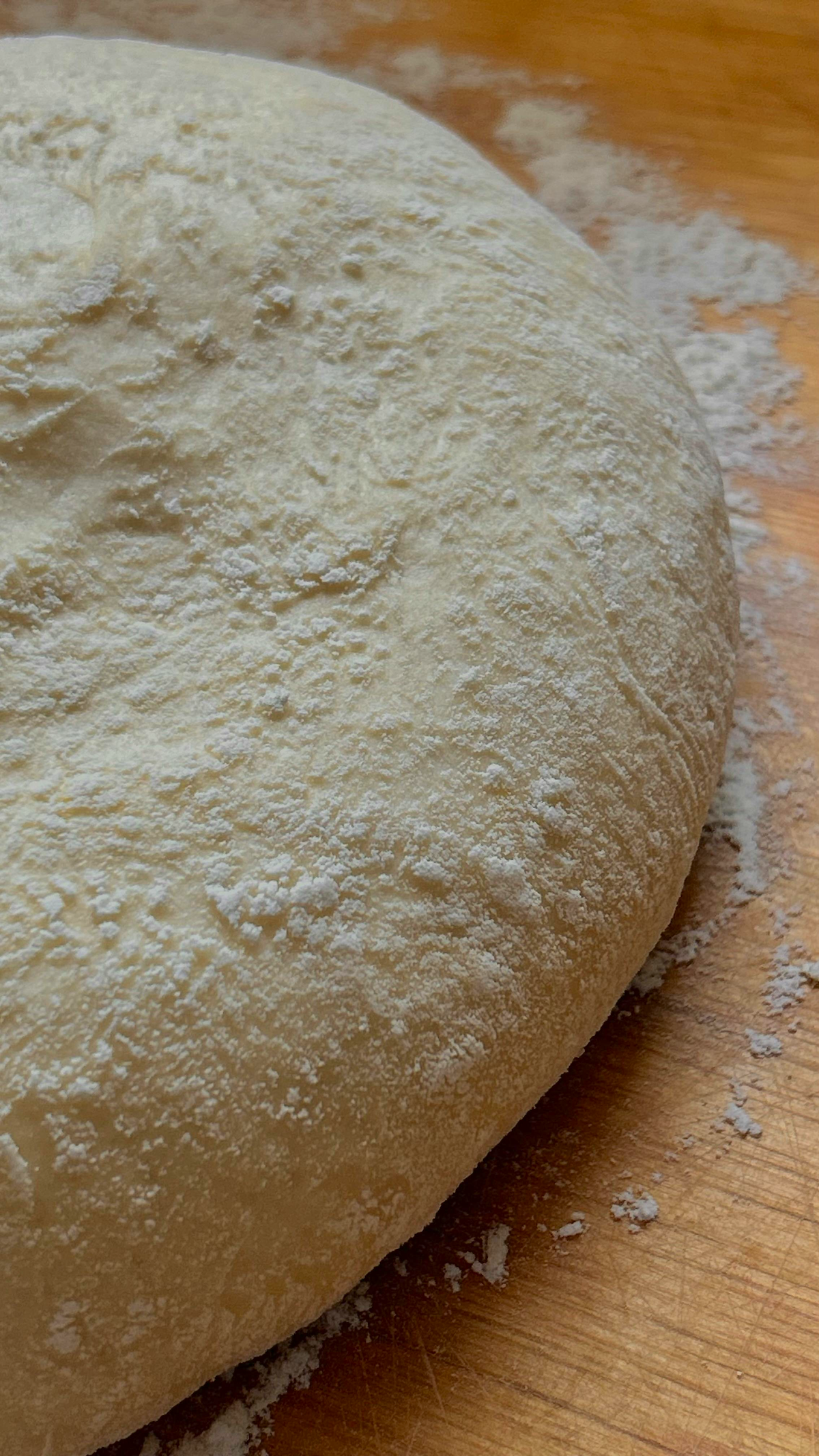
Altitude Baking: Adjusting Pressure Variables
At high altitudes, the air pressure is lower. This invisible change alters the behaviour of every gas bubble and water molecule in your dough. To bake successfully, you must adjust your variables to match your environment.
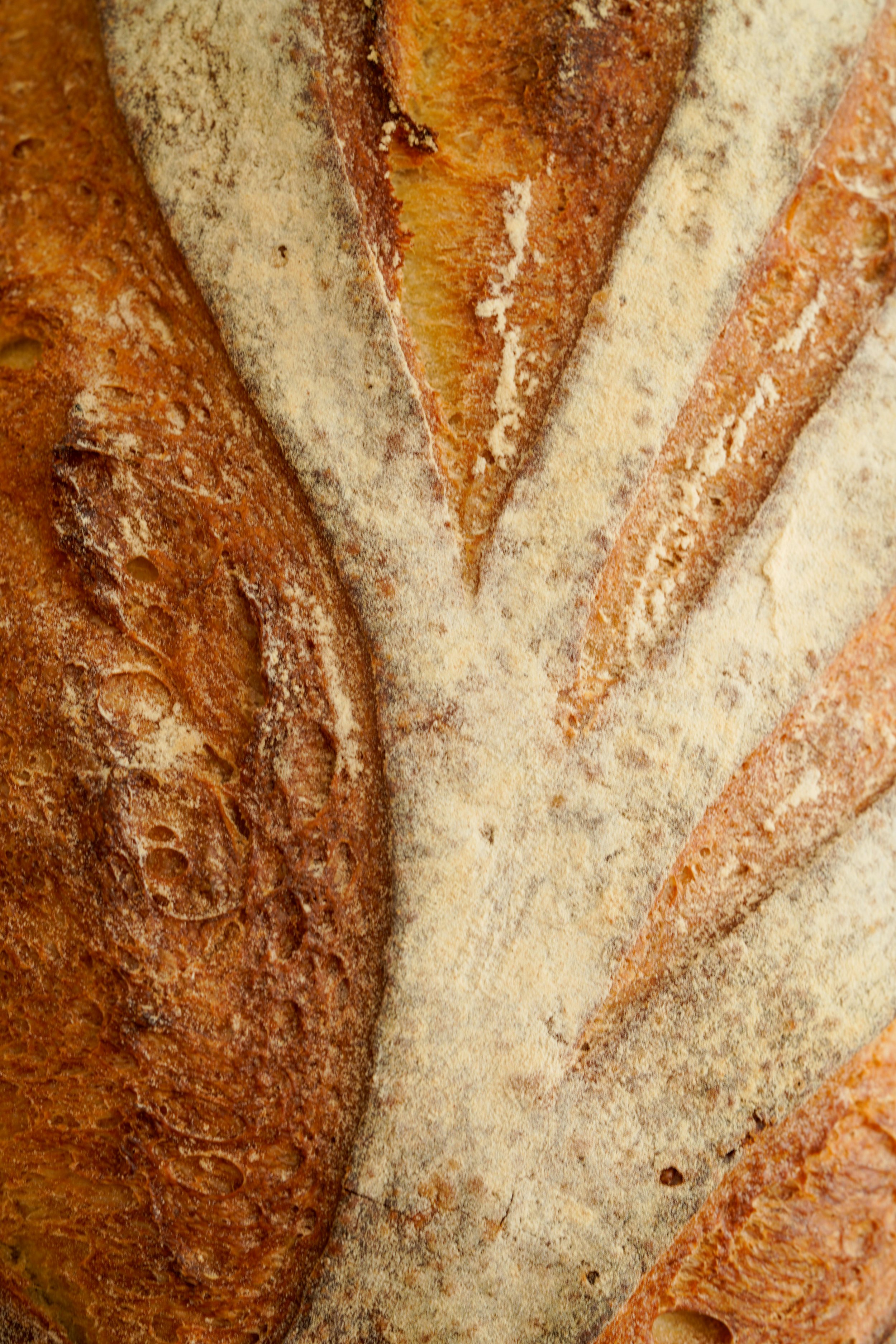
The Physics of Steam: Why Moisture Creates a Crispier Crust
It seems like a contradiction. If you want a dry, crispy crust, why would you flood your oven with water? Yet, every professional baker knows that steam is the secret ingredient. A loaf baked in a dry oven will be dull, dense, and grey. A loaf baked in steam will be glossy, voluminous, and shatteringly crisp.
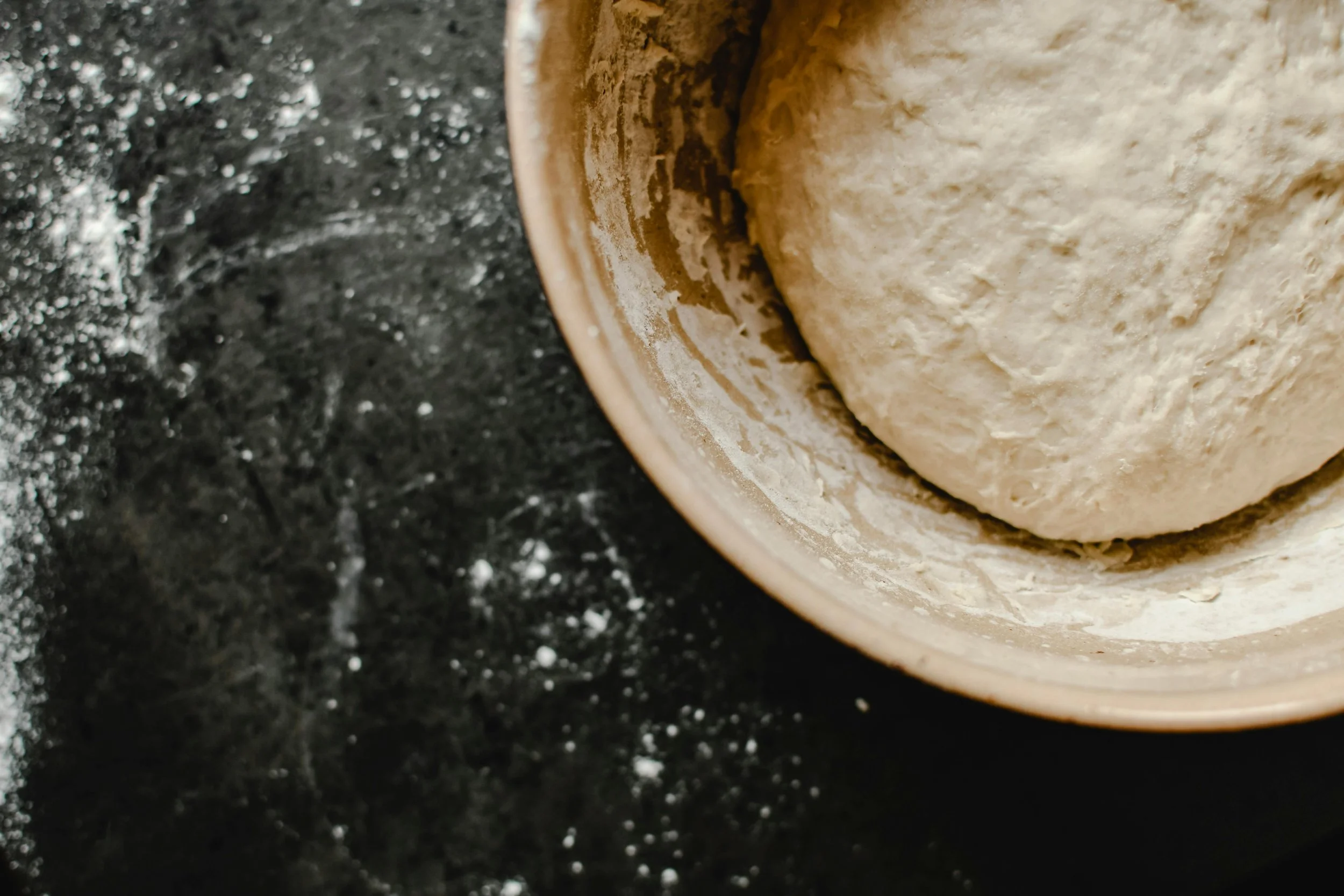
pH Dynamics: Charting the Drop from 6.0 to 3.5
The true clock of sourdough is not measured in minutes, but in pH. The transformation of dough from a simple mixture of flour and water into a complex, digestible, and flavorful loaf is driven by acidification. Understanding the curve of this drop is the difference between a loaf that is bland and gummy, and one that sings.
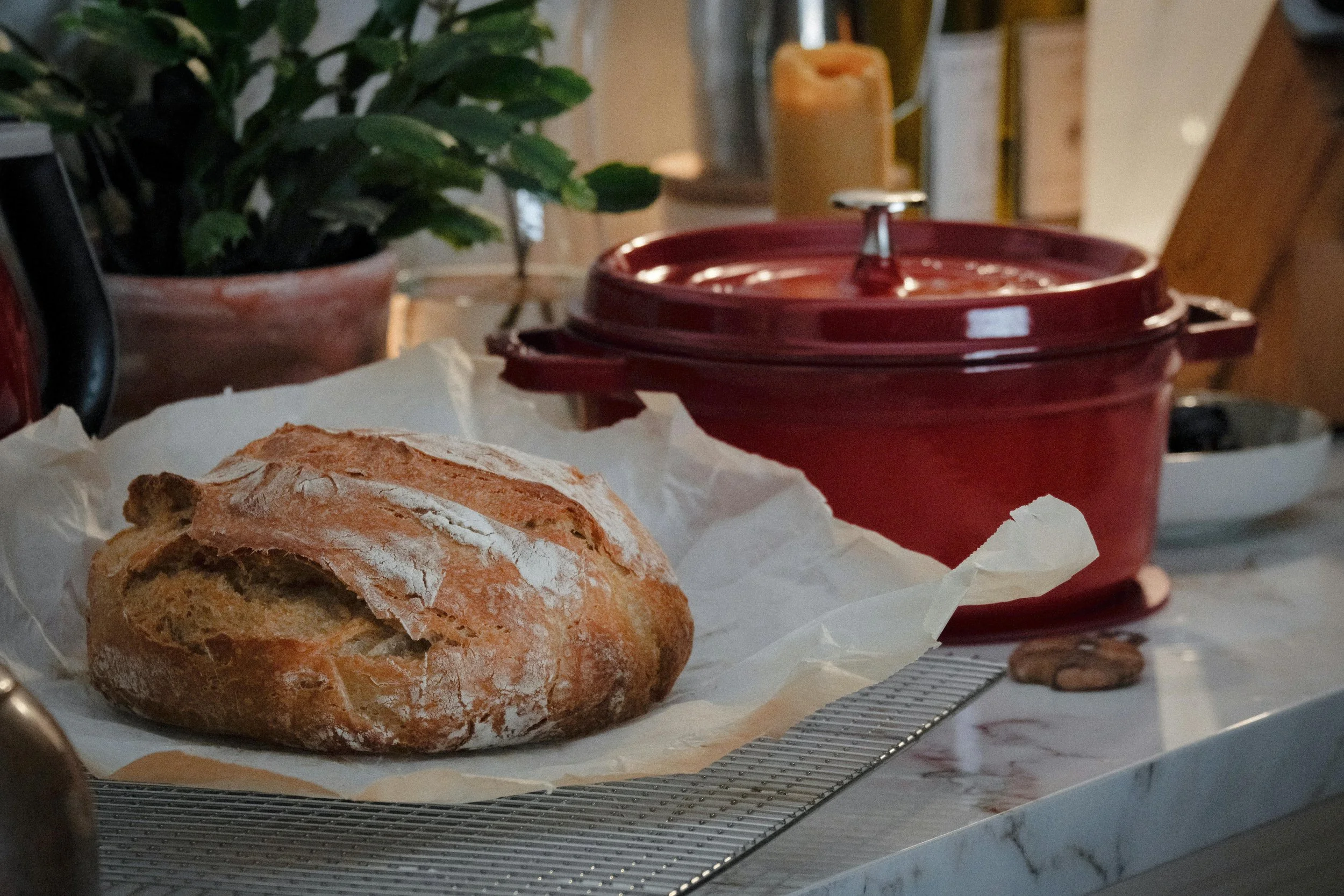
Thermodynamics: Radiant vs. Conductive Heat (Dutch Oven Physics)
When you open your home oven door to load the bread, the air temperature drops by 50°C or more. A thin baking tray loses heat instantly. A preheated Dutch oven does not. It acts as a thermal battery, maintaining a stable 250°C environment even when the oven air cools down.