
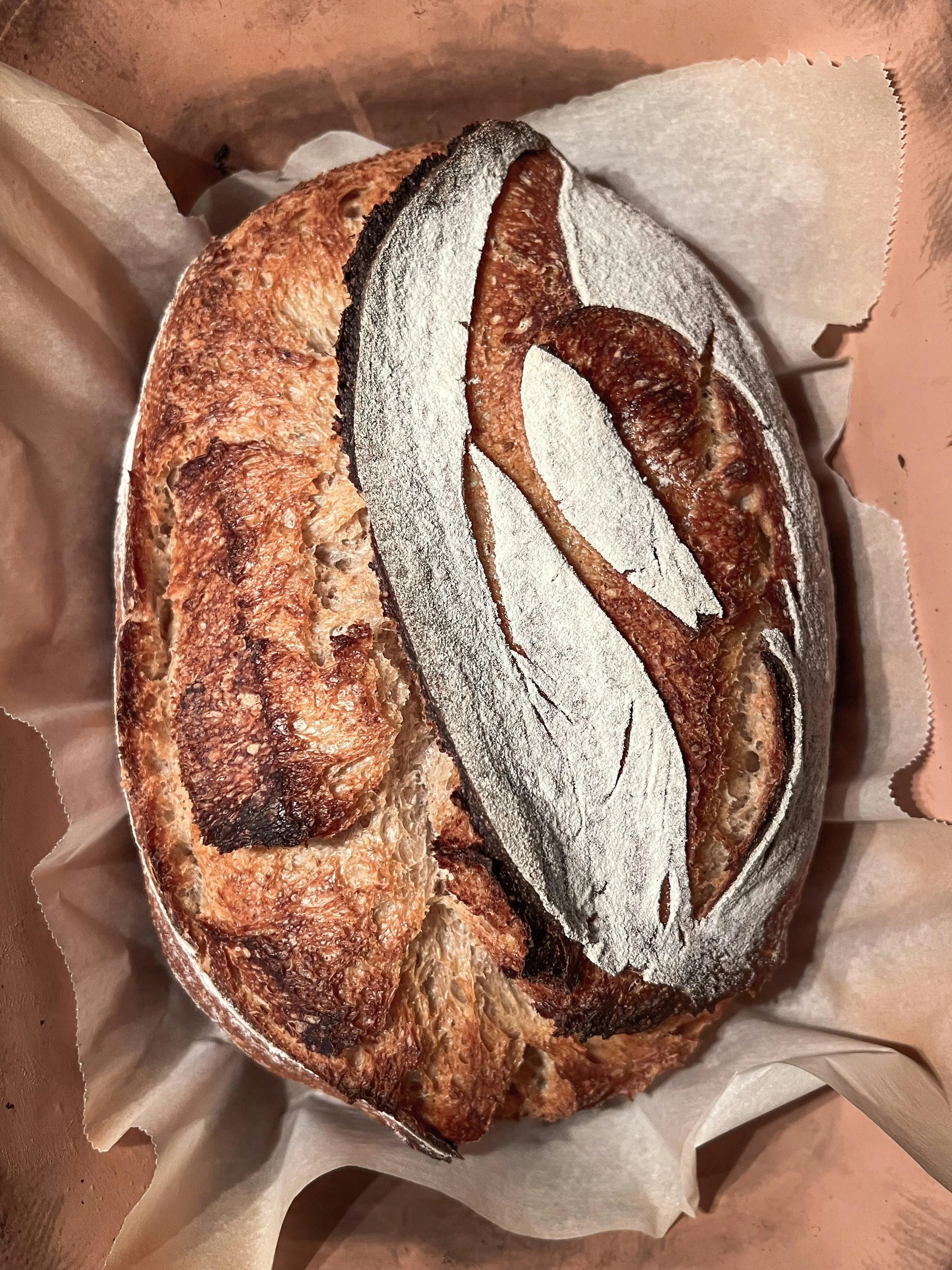
Scoring Mechanics: Functional Expansion vs. Decorative Art
Scoring is the act of creating a controlled weakness in the "skin" of the loaf. Without it, the massive pressure of oven spring will find its own way out, usually rupturing the loaf in an ugly "blowout" at the bottom [1]. There are two types of cuts: Functional and Decorative.
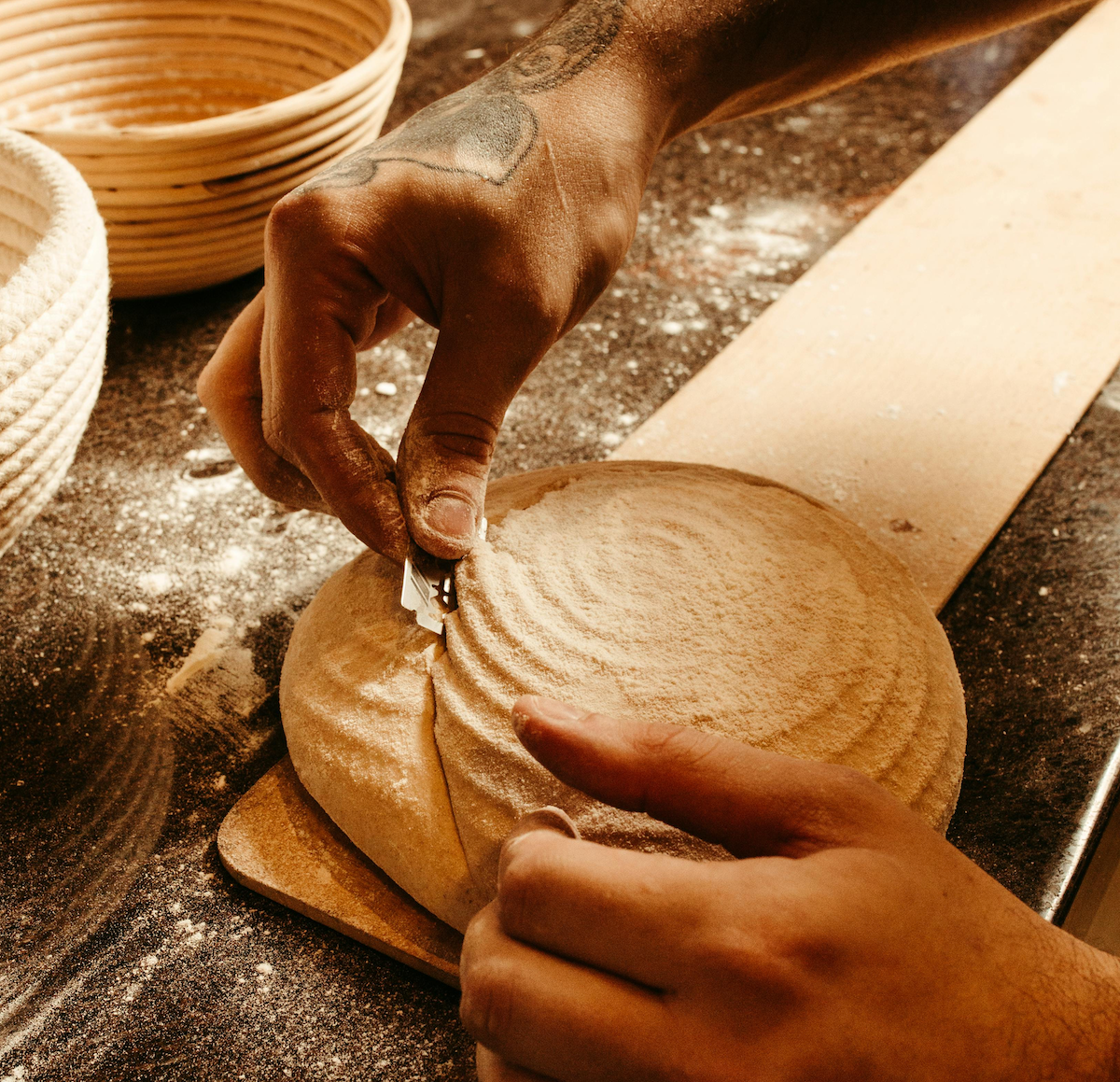
The Ear: The Physics of Differential Expansion
The ear is more than decoration. It is functional physics. It is the visual proof that your loaf expanded to its maximum potential before the crust hardened. To get an ear, you must master the forces of Tension and Differential Expansion.
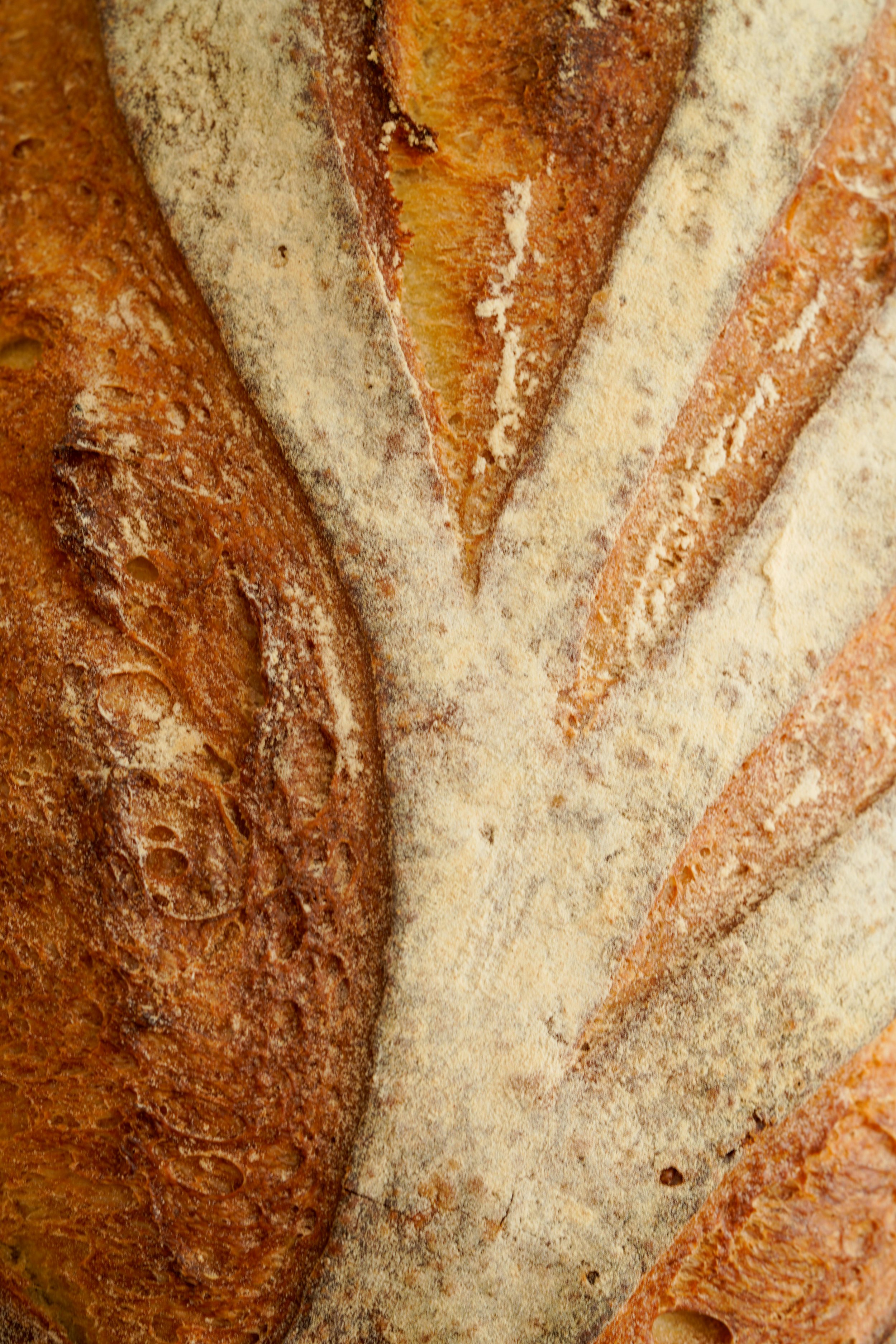
The Physics of Steam: Why Moisture Creates a Crispier Crust
It seems like a contradiction. If you want a dry, crispy crust, why would you flood your oven with water? Yet, every professional baker knows that steam is the secret ingredient. A loaf baked in a dry oven will be dull, dense, and grey. A loaf baked in steam will be glossy, voluminous, and shatteringly crisp.

What Is Scoring?
Scoring is the act of cutting the surface of the proofed dough with a sharp blade (lame) immediately before baking. While often decorative, its primary function is mechanical: it creates a weak point for steam to escape.