
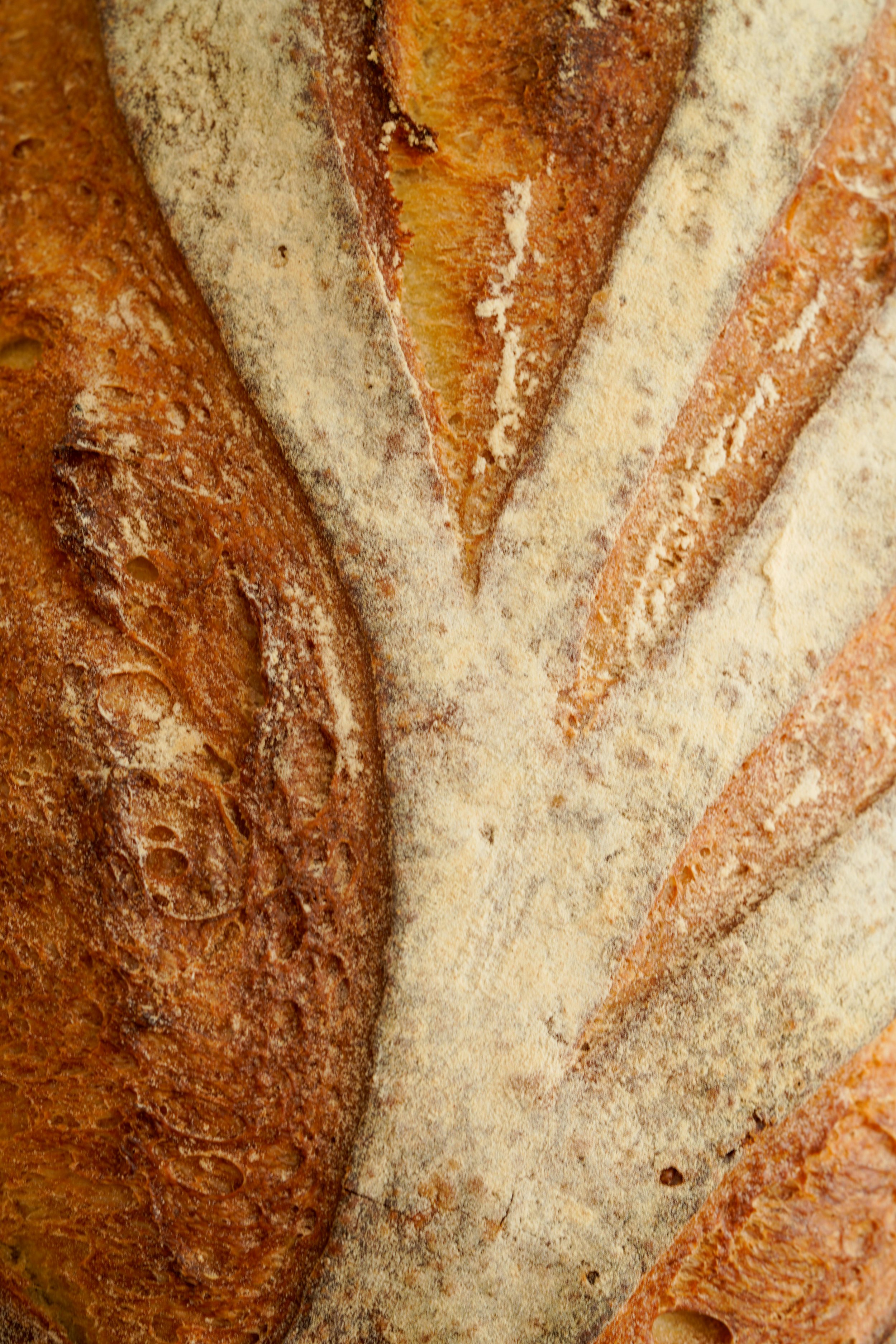
The Physics of Steam: Why Moisture Creates a Crispier Crust
It seems like a contradiction. If you want a dry, crispy crust, why would you flood your oven with water? Yet, every professional baker knows that steam is the secret ingredient. A loaf baked in a dry oven will be dull, dense, and grey. A loaf baked in steam will be glossy, voluminous, and shatteringly crisp.
What Is Oven Spring?
Oven Spring is the rapid expansion of the dough that occurs during the first 10–12 minutes of baking. It is caused by the sudden thermal expansion of gases (CO₂) and the evaporation of water into steam within the dough. It stops once the crust hardens (sets) or the internal temperature kills the yeast (approx. 60°C).
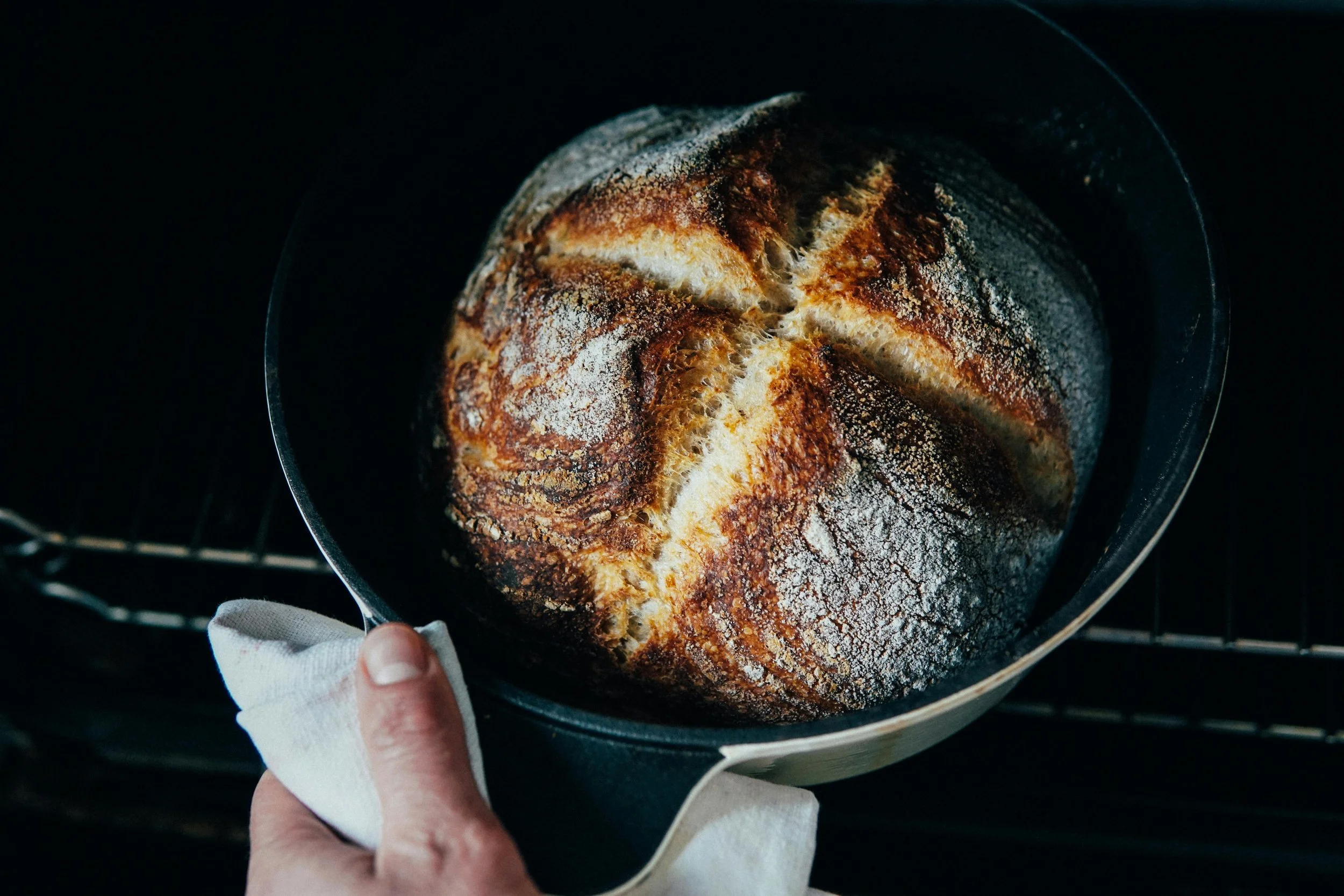
Using Steam To Unlock the Chemistry of the Crust
The secret ingredient in professional bread isn't just the flour or the starter; it is steam. Whether you use a Dutch oven, a pizza stone, or a tray of lava rocks, the goal is the same: to create a humid environment that fundamentally alters the chemistry of the crust, affecting everything from digestibility to flavour.