
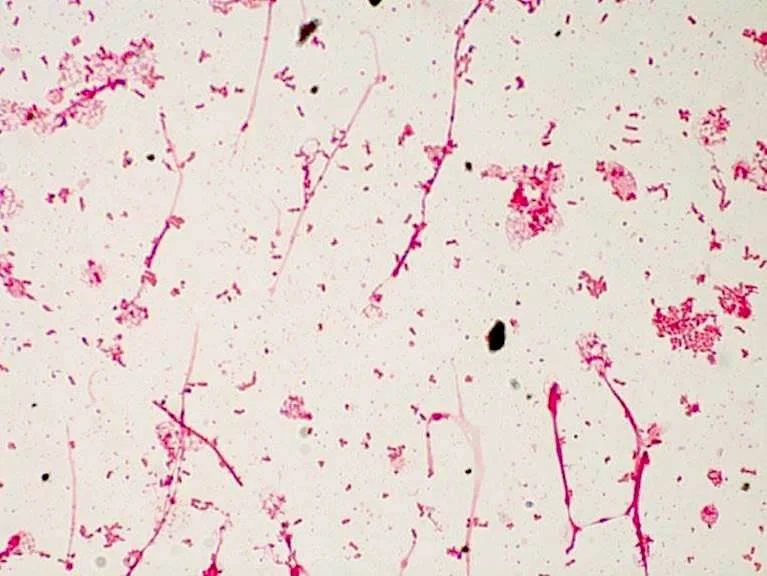
The Dead Starter: Pathogen Takeover in Neglected Jars
There is a point of no return. A moment when a neglected starter stops being a culture of beneficial microbes and becomes a Petri dish for pathogens. This transition is chemical. It is driven by a single variable: pH.
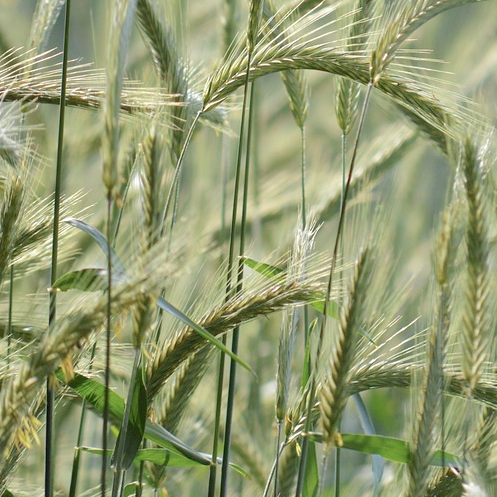
Rye Flour: The Enzymatic Supercharger
White flour provides the structure (gluten), but Rye flour provides the fuel. Many bakers view Rye simply as a flavour additive, but biologically, it acts as a high-octane injection for your fermentation engine.
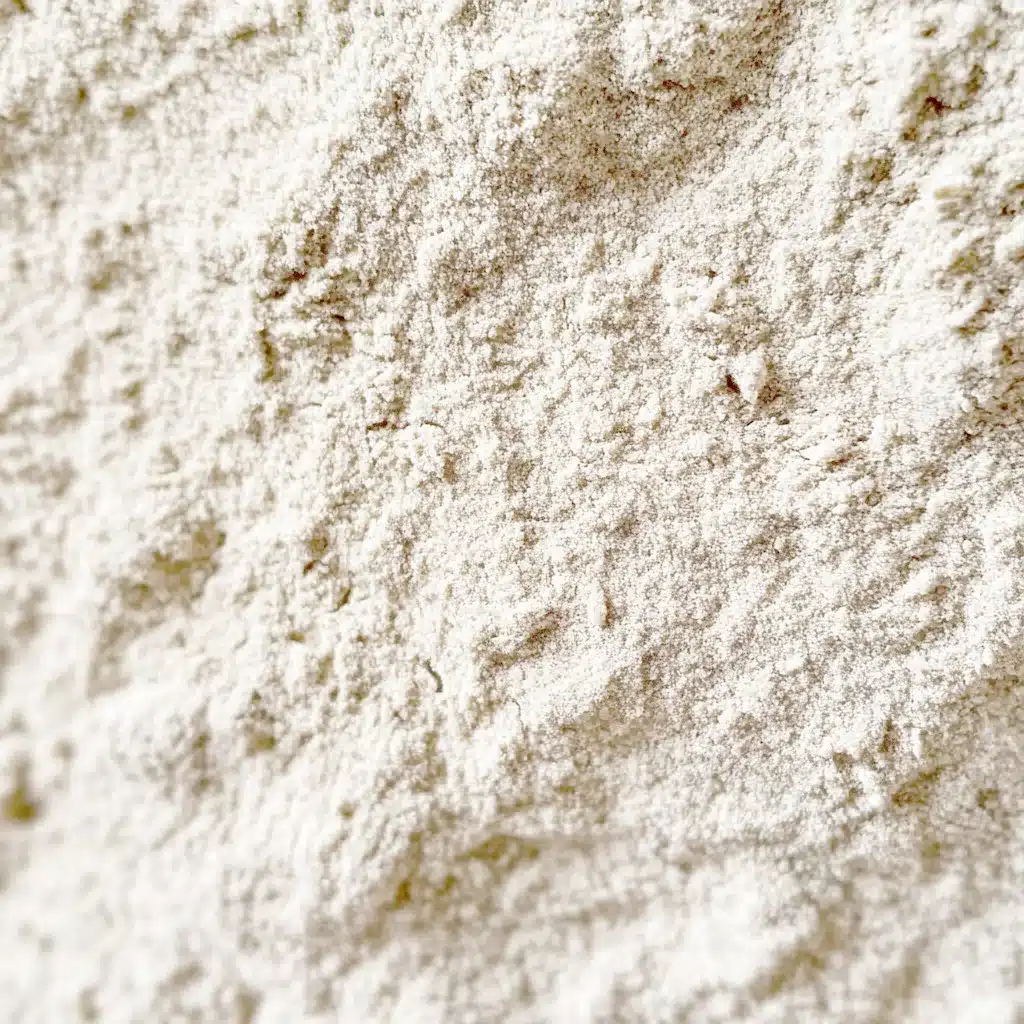
Diastatic Malt: The Fuel Injector
Professional bakers have a secret weapon for achieving that dark, mahogany crust and open interior: Malt. But not all malt is created equal. You must distinguish between "Diastatic" (Active) and "Non-Diastatic" (Inactive).
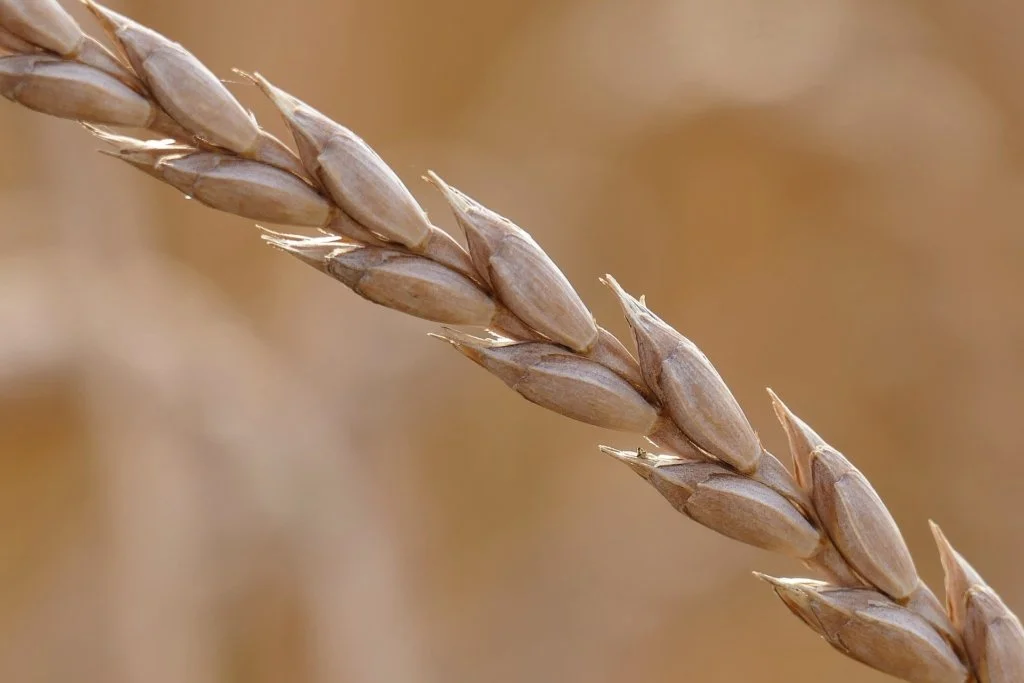
Spelt Flour: The Extensibility Paradox
Spelt is the ancient cousin of modern wheat. Many bakers switch to it for its nutty flavour or perceived health benefits, but they are often shocked when their dough collapses into a puddle.
Chlorine: The Silent Killer
If you are doing everything right but your starter refuses to rise, look at your tap. Municipal water treatment is a triumph of public health, designed to kill bacteria. Your sourdough starter is bacteria.
The Ear: The Physics of Differential Expansion
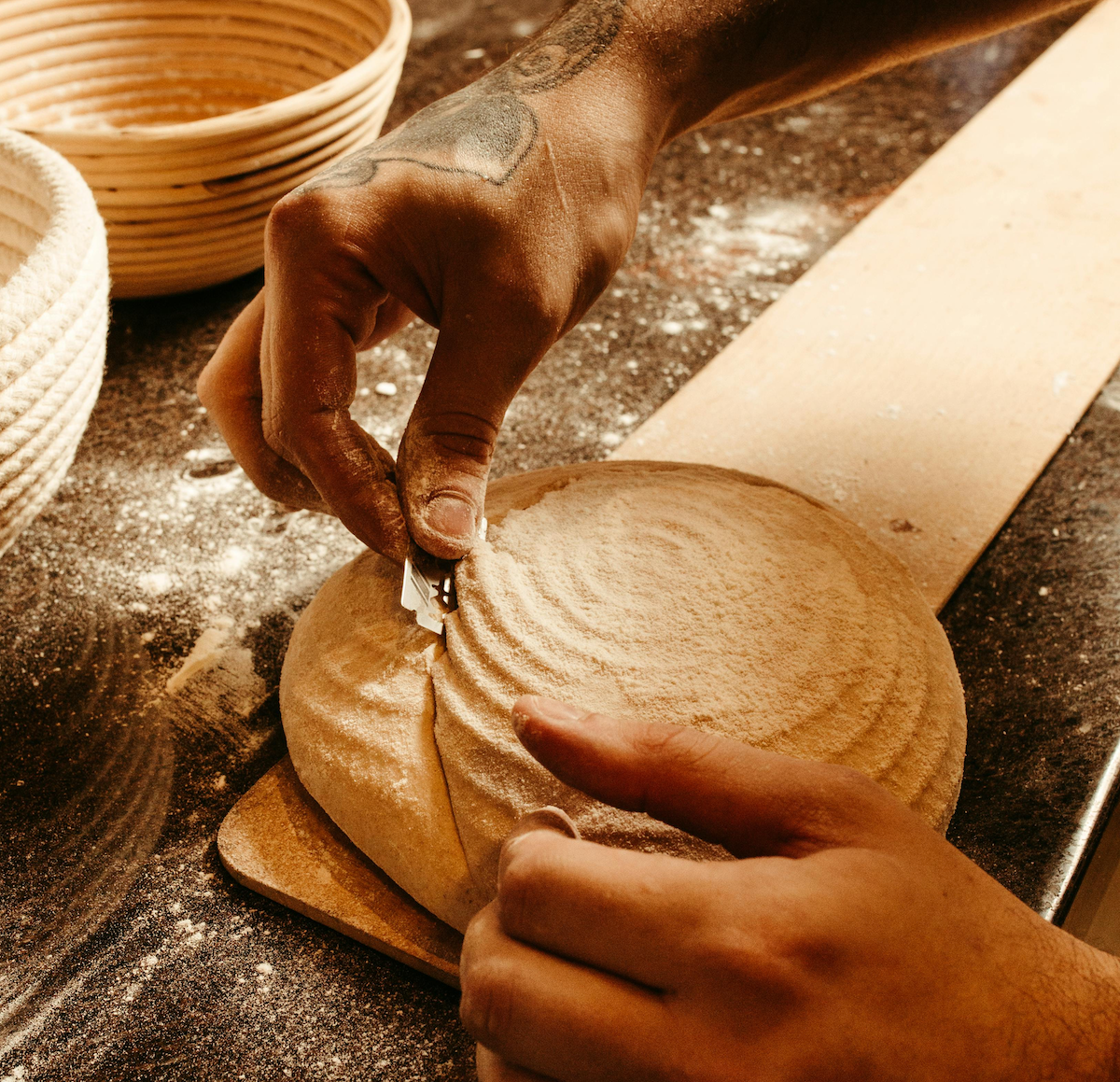
The ear is more than decoration. It is functional physics. It is the visual proof that your loaf expanded to its maximum potential before the crust hardened. To get an ear, you must master the forces of Tension and Differential Expansion.
The Physics of Steam: Why Moisture Creates a Crispier Crust
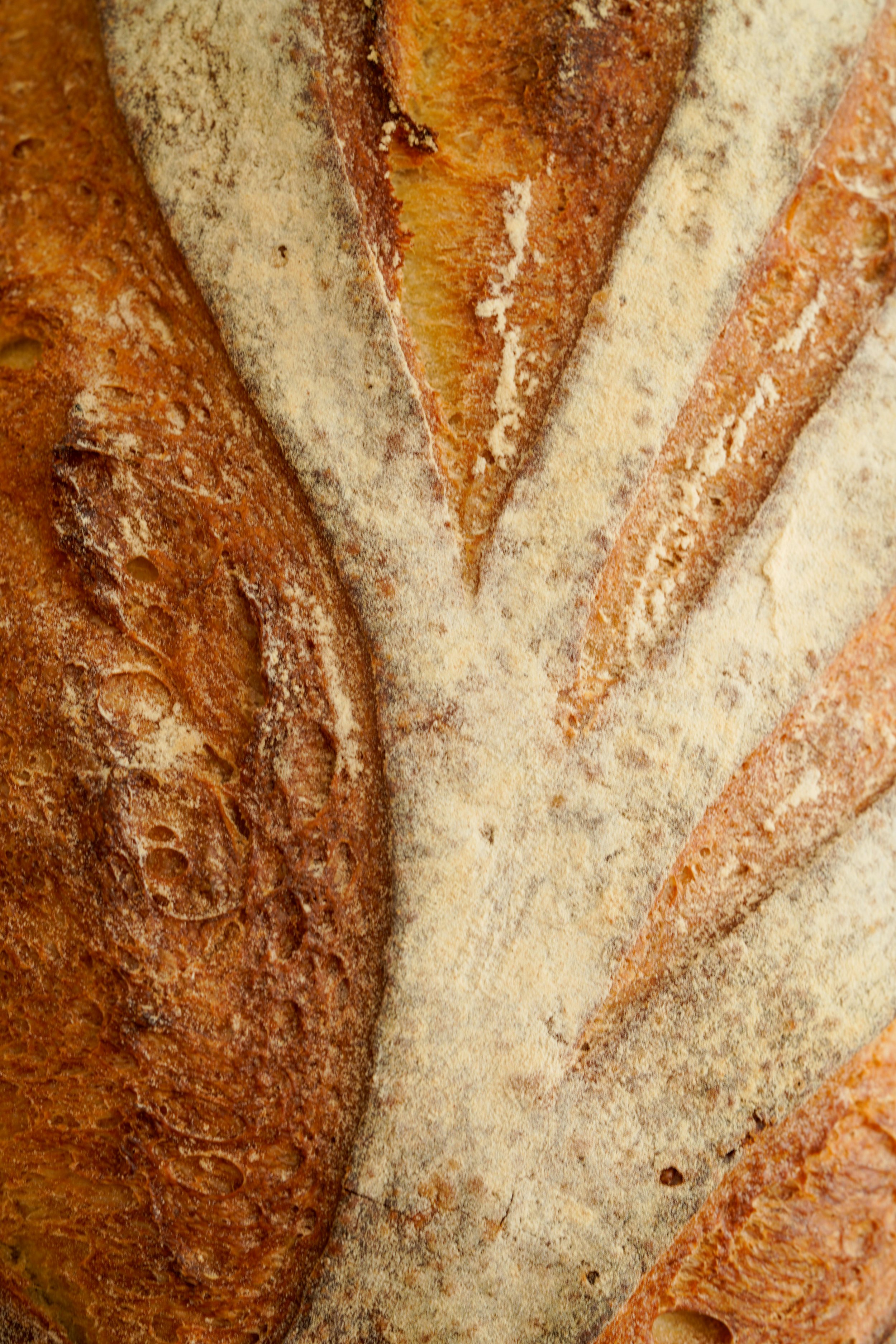
It seems like a contradiction. If you want a dry, crispy crust, why would you flood your oven with water? Yet, every professional baker knows that steam is the secret ingredient. A loaf baked in a dry oven will be dull, dense, and grey. A loaf baked in steam will be glossy, voluminous, and shatteringly crisp.
pH Dynamics: Charting the Drop from 6.0 to 3.5
The true clock of sourdough is not measured in minutes, but in pH. The transformation of dough from a simple mixture of flour and water into a complex, digestible, and flavorful loaf is driven by acidification. Understanding the curve of this drop is the difference between a loaf that is bland and gummy, and one that sings.
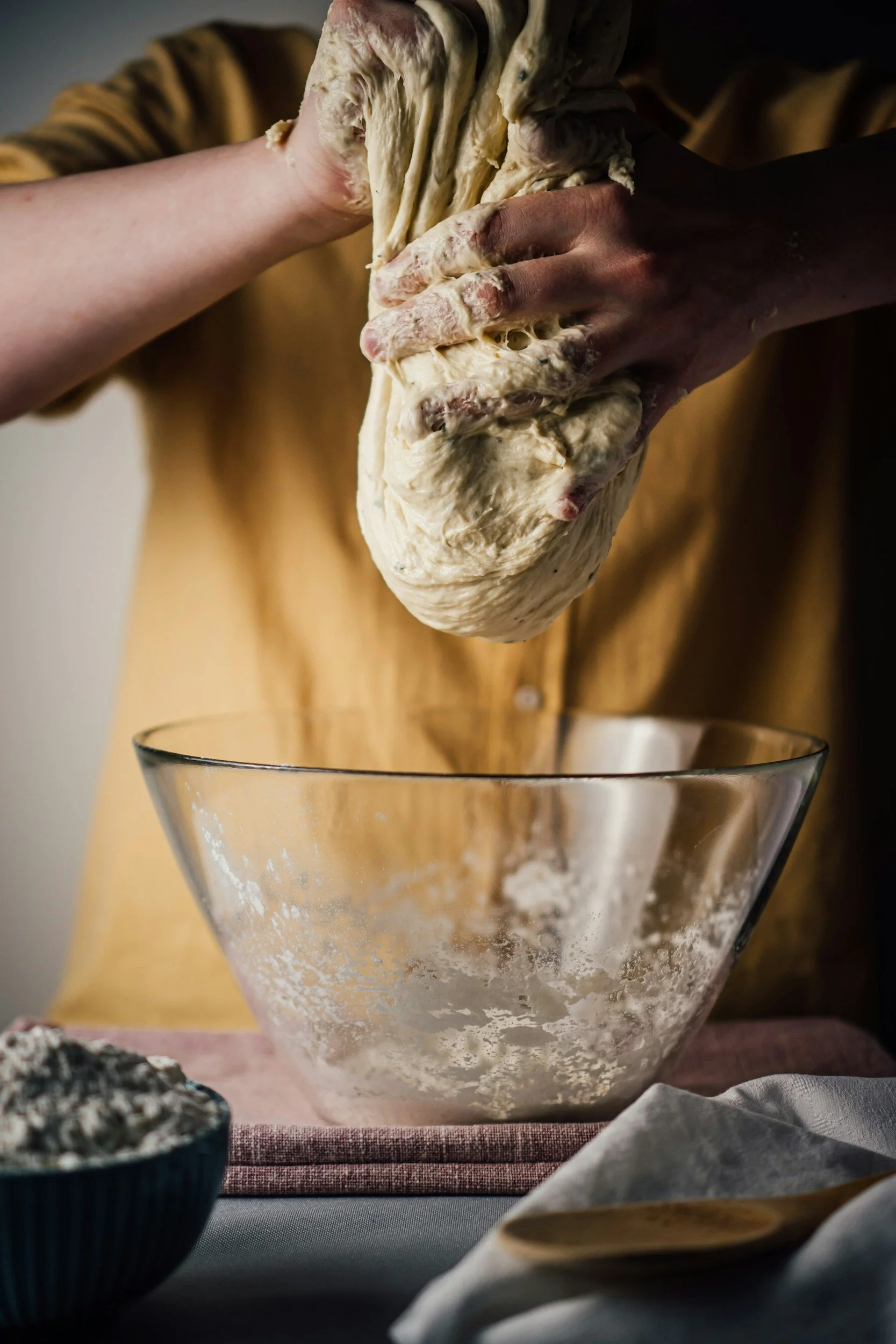
Viscoelasticity: Extensibility vs. Elasticity (Rheology)
Dough is a contradiction. It is a solid that flows like a liquid. In physics, this property is called Viscoelasticity. It means the material has both viscous (flow) and elastic (snap-back) characteristics.
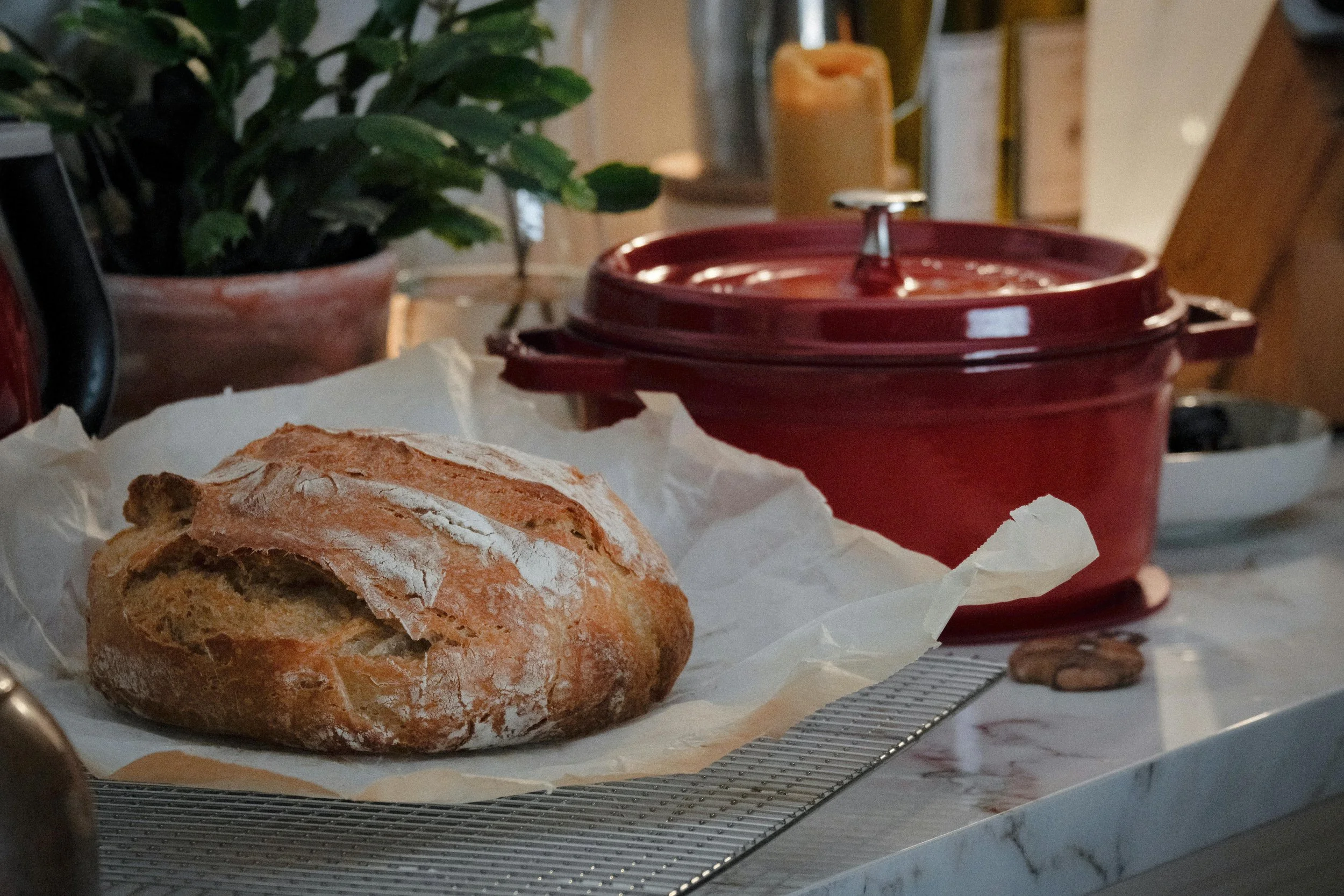
Thermodynamics: Radiant vs. Conductive Heat (Dutch Oven Physics)
When you open your home oven door to load the bread, the air temperature drops by 50°C or more. A thin baking tray loses heat instantly. A preheated Dutch oven does not. It acts as a thermal battery, maintaining a stable 250°C environment even when the oven air cools down.

What Is Pre-Shaping?
Pre-shaping is an intermediate step between bulk fermentation and final shaping. The dough is divided and loosely formed into rounds, then left to rest (bench rest) for 15–30 minutes. This step reorganises the gluten network after the division and creates a smooth "skin" on the dough.
What Is Refined Flour?
Refined Flour (often labelled as White Bread Flour) has had the bran and germ mechanically removed, leaving only the starchy endosperm. While this creates a flour that produces high volume and airy bread (due to strong, uninterrupted gluten), it is a biological "desert."
What Is Hooch?
Hooch is a colloquial term for the liquid layer (ranging from clear to grey or black) that accumulates on top of a neglected sourdough starter. Biologically, it is primarily ethanol (alcohol) produced by wild yeast during fermentation.
What Is Crumb Structure?
Crumb Structure refers to the pattern of holes (alveoli) inside the bread. It is the primary diagnostic tool for a baker. A "tight" crumb with small, even holes often indicates lower hydration or over-handling. An "open" crumb with large, irregular holes indicates high hydration and gentle fermentation.
What Is Wild Yeast?
Wild Yeast refers to the diverse populations of yeast species found naturally on the husks of grain, in the air, and on the skin of fruits, which are "captured" and cultivated in a sourdough starter.
What Is Lactic Acid?
Lactic acid is an organic acid produced by Lactic Acid Bacteria (LAB) during the fermentation of carbohydrates. It is responsible for the mild, creamy, yogurt-like acidity in sourdough bread. It lowers the pH of the dough, activating enzymes and extending shelf-life by inhibiting mould growth.

What Is Scoring?
Scoring is the act of cutting the surface of the proofed dough with a sharp blade (lame) immediately before baking. While often decorative, its primary function is mechanical: it creates a weak point for steam to escape.
What Is Stone Ground Flour?
Stone Ground Flour is milled by crushing grain between two stones. Unlike modern roller milling, which efficiently separates the bran and germ from the endosperm, stone milling crushes the entire berry together. Even if sifted later, the oils from the nutrient-rich germ are rubbed into the flour.

What Is Inoculation Rate?
Inoculation Rate is the percentage of starter added to a dough relative to the total flour weight. For example, adding 200g of starter to 1000g of flour is a 20% inoculation. This variable acts as the "accelerator pedal" for fermentation.
What Is Amylase?
Amylase is an enzyme naturally present in flour (and saliva) that acts as a biological catalyst. Its primary function is to break down complex starches (polysaccharides) into simple sugars (maltose and glucose).