

Red Fife: The Time Capsule
Red Fife is Canada's oldest wheat. Unlike modern "monoculture" wheat, Red Fife is a landrace, meaning there is significant genetic diversity within a single bag of flour. This diversity translates directly to the palate.
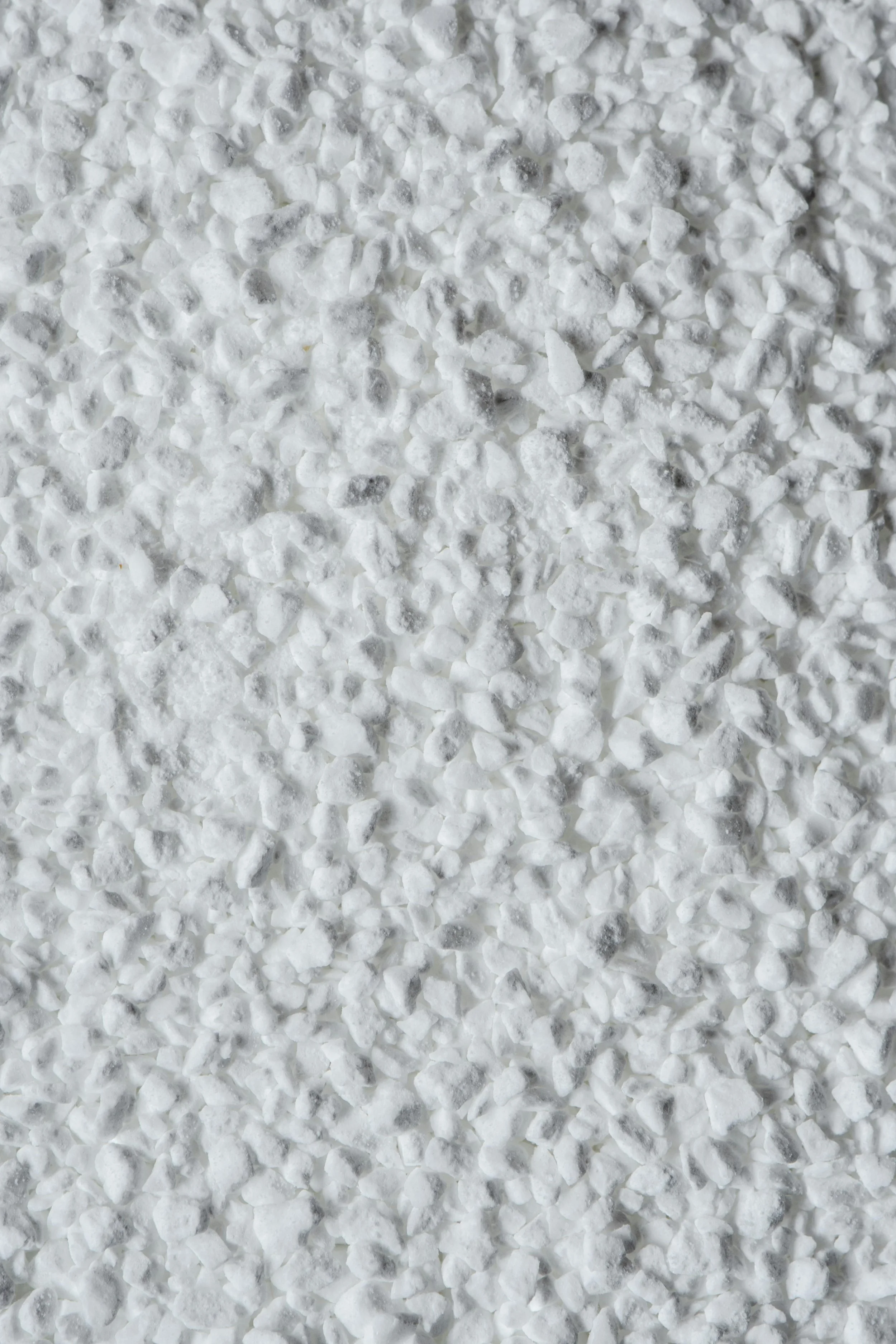
Sugar: The Metabolic Accelerant
Sugar is viewed by many purists as a "cheat." But biologically, it is simply high-octane fuel. While flour starch must be broken down by amylase before the yeast can eat it, sugar provides an immediate, ready-to-eat feast.
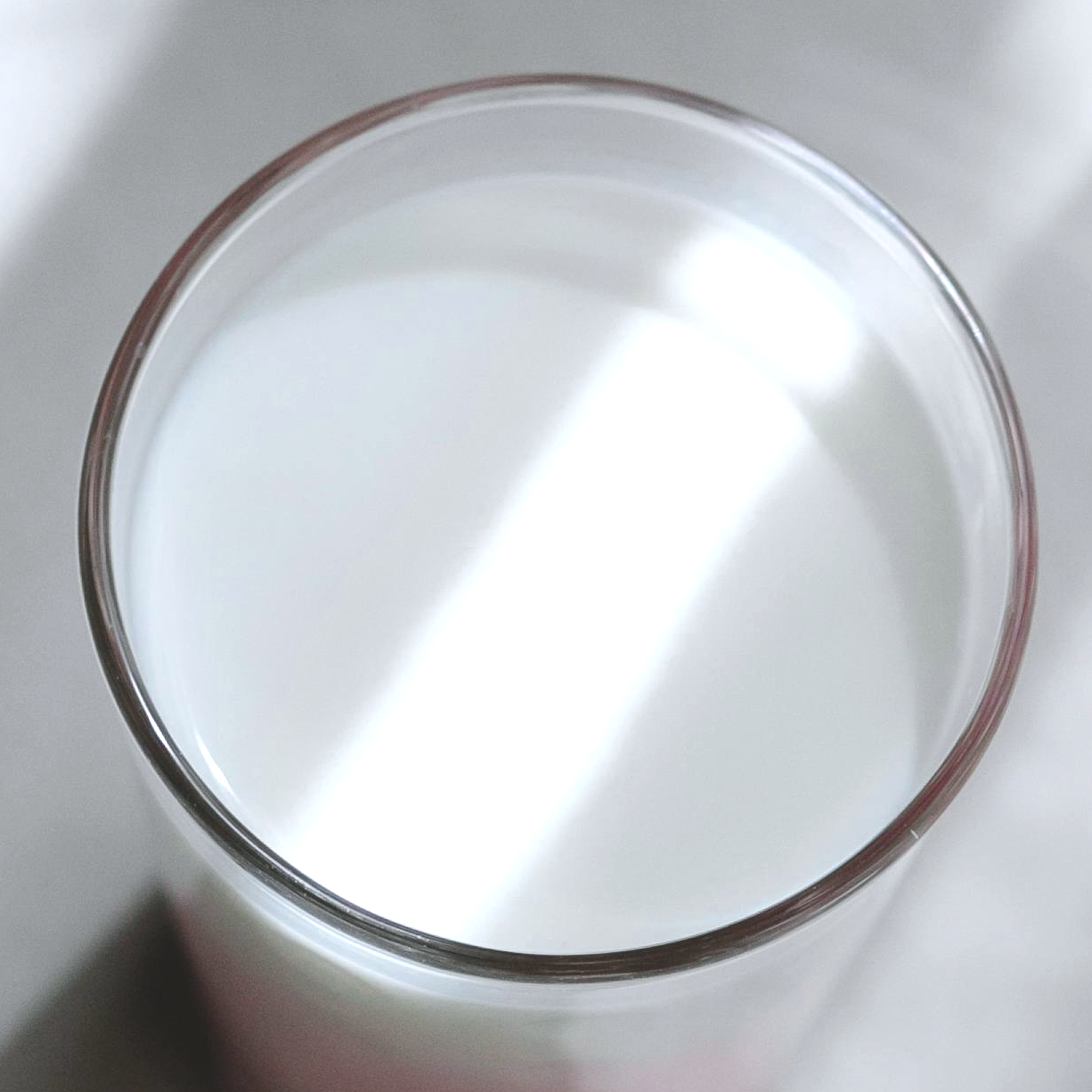
Milk: The Chemical Softener
Water is neutral. Milk is complex. By swapping water for milk (as in Shokupan or Sandwich Bread), you introduce three new variables: Fat, Protein (Casein), and Sugar (Lactose).
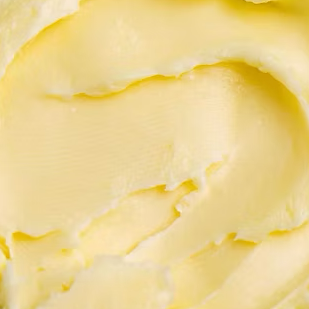
Butter: The Gluten Lubricant
Butter is the bridge between bread and pastry. In small amounts, it softens. In large amounts (like Brioche), it transforms the dough into a foam-like structure that is more air than wheat.
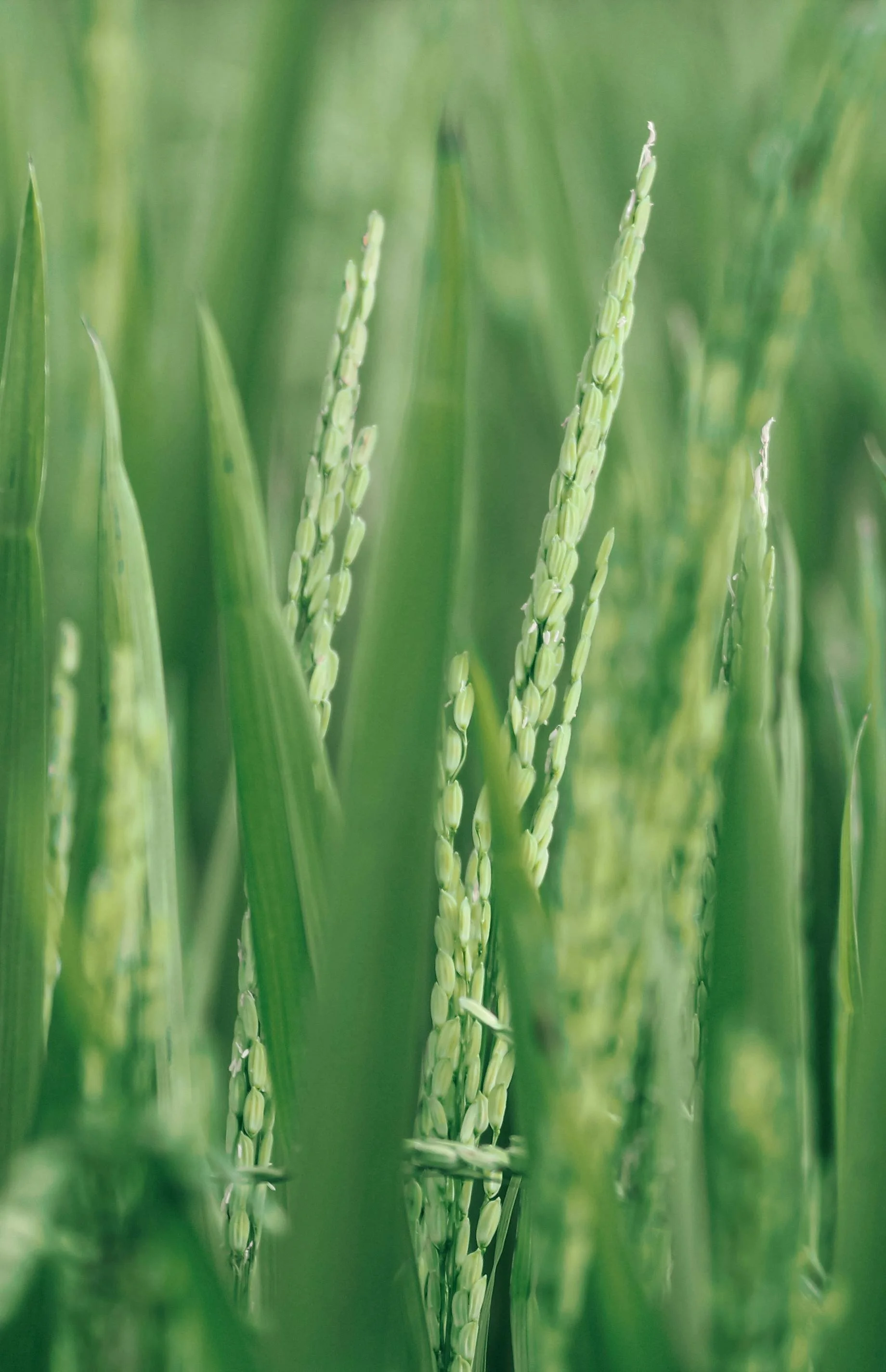
Rice Flour: The Non-Stick Shield
Rice flour is the one flour in your arsenal that should never go inside your wheat dough (unless you are baking gluten-free). Its role is purely external. It is the mechanic’s glove.
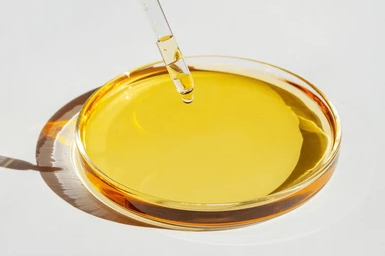
Olive Oil: The Lipid Softener
Sourdough is traditionally lean (Flour, Water, Salt). When you introduce a lipid like Extra Virgin Olive Oil, you are entering the territory of "Enriched Dough." You are trading some crust crispness for crumb tenderness.
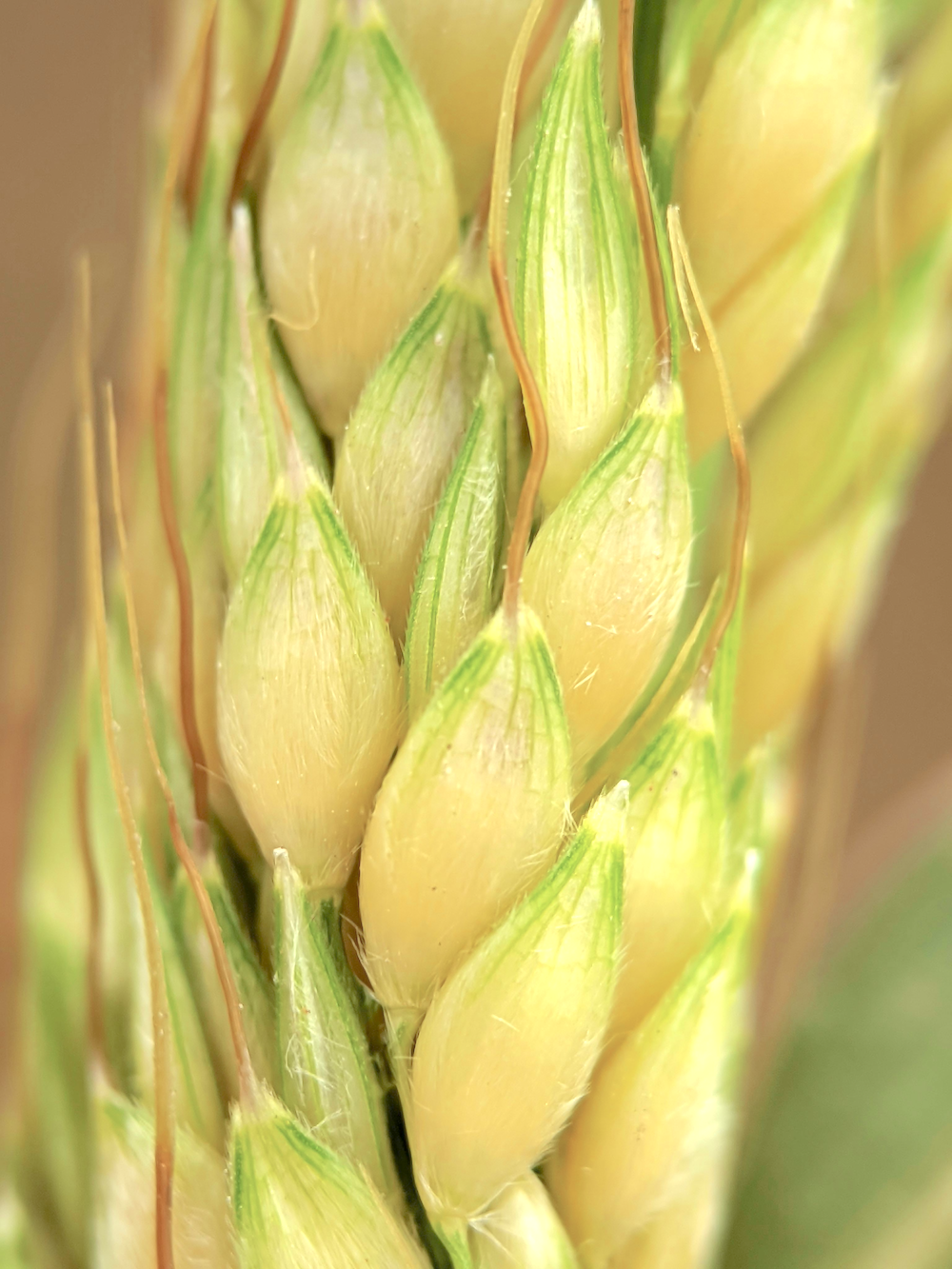
Whole Wheat: The Thirsty Substrate
White flour is a fuel source; Whole Wheat is a meal. By including the bran (the outer shell) and the germ (the embryo), you introduce a complex array of minerals and fibres that fundamentally change the physics of the dough.
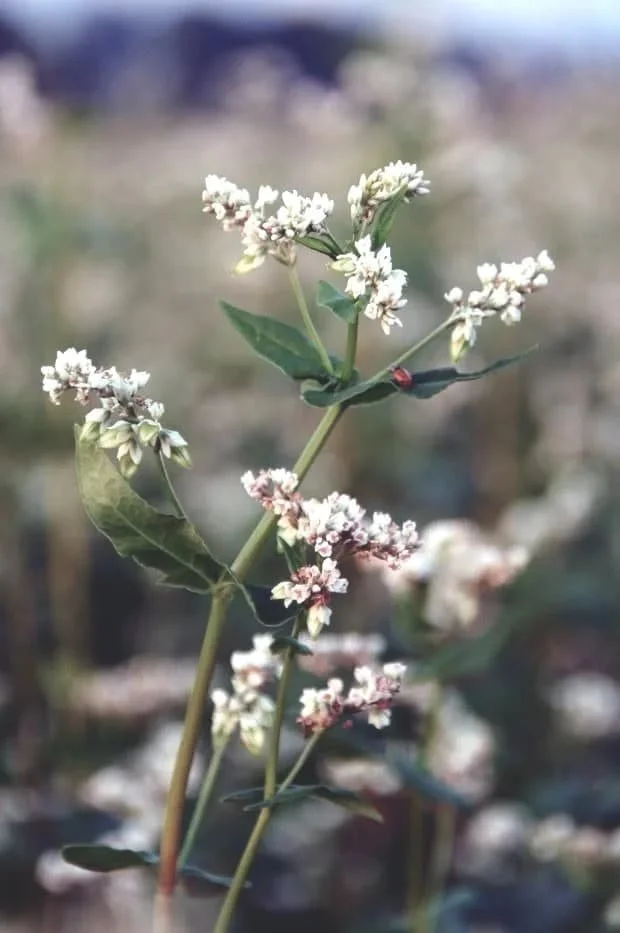
Buckwheat: The Gel Binder
Buckwheat is not wheat. It is not even a grain. It is a fruit seed related to rhubarb. For the sourdough baker, it is a powerful tool for water retention.
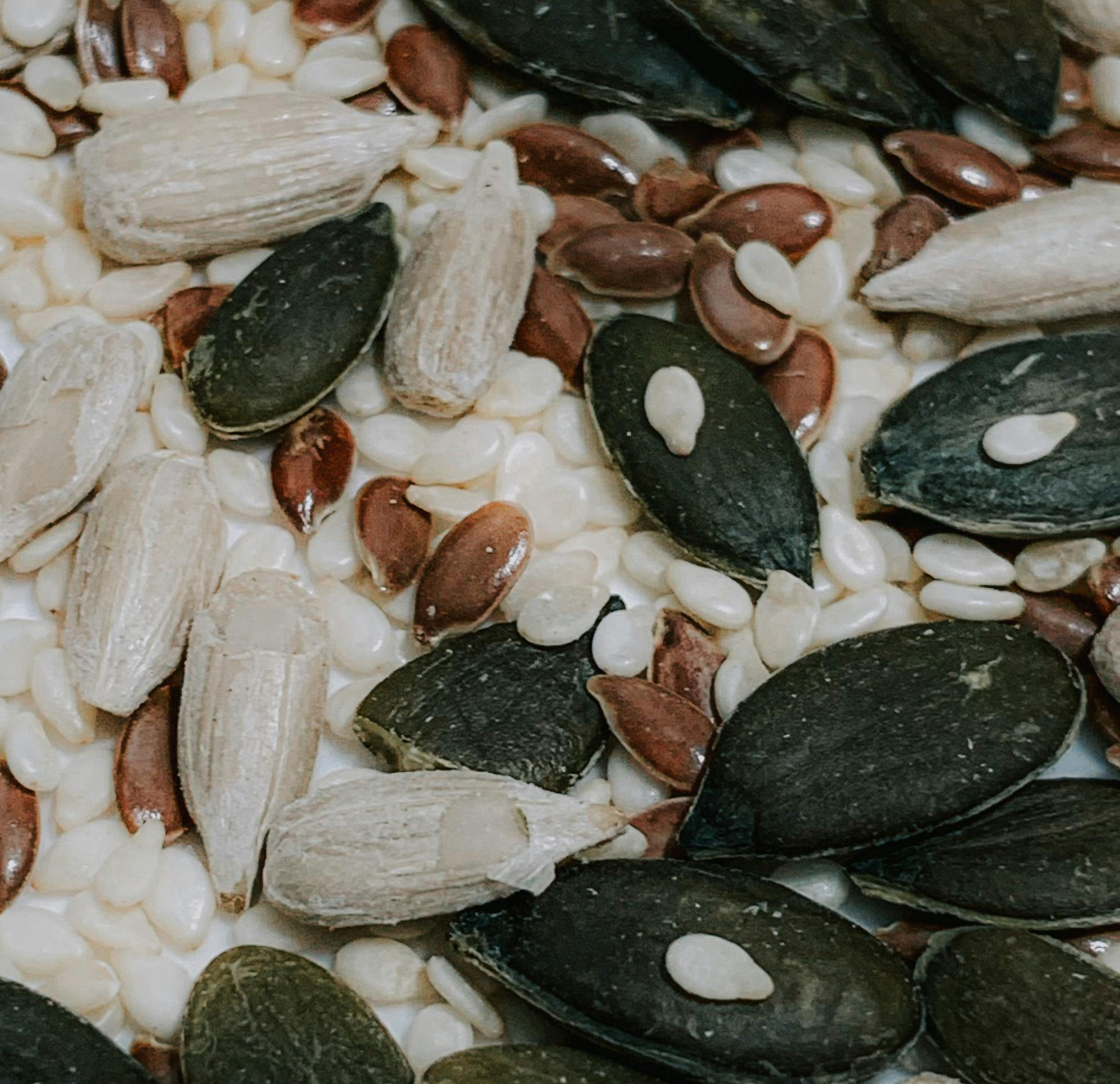
Seeds: The Hydration Thieves
Seeds are not passive additions to bread. They are biologically active sponges. If you throw raw seeds into your dough, they will compete with the gluten for water, often winning the war and leaving you with a dry, tight loaf.
Water: The Invisible Variable
Water is not just a filler; it is the trigger. Flour in a bag is biologically dormant. It is only when water is introduced that the enzymes (amylase and protease) wake up and the biological clock begins to tick.
Rye Flour: The Enzymatic Supercharger
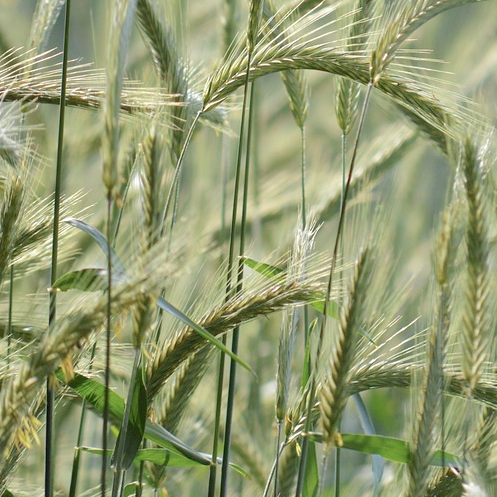
White flour provides the structure (gluten), but Rye flour provides the fuel. Many bakers view Rye simply as a flavour additive, but biologically, it acts as a high-octane injection for your fermentation engine.
Diastatic Malt: The Fuel Injector
Professional bakers have a secret weapon for achieving that dark, mahogany crust and open interior: Malt. But not all malt is created equal. You must distinguish between "Diastatic" (Active) and "Non-Diastatic" (Inactive).
Spelt Flour: The Extensibility Paradox
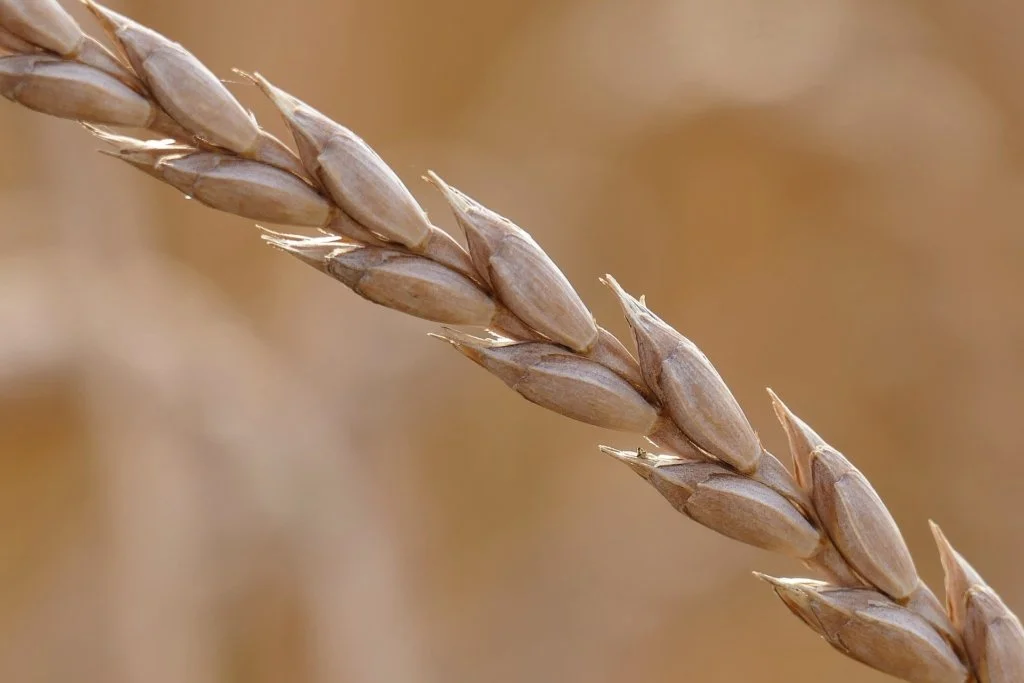
Spelt is the ancient cousin of modern wheat. Many bakers switch to it for its nutty flavour or perceived health benefits, but they are often shocked when their dough collapses into a puddle.
Chlorine: The Silent Killer
If you are doing everything right but your starter refuses to rise, look at your tap. Municipal water treatment is a triumph of public health, designed to kill bacteria. Your sourdough starter is bacteria.
Salt: The Osmotic Brake
In the culinary world, salt is a seasoning. It makes food taste "more like itself." In the biological world of sourdough, salt is a weapon. It is the primary control mechanism you have to regulate the speed, strength, and safety of your fermentation.