
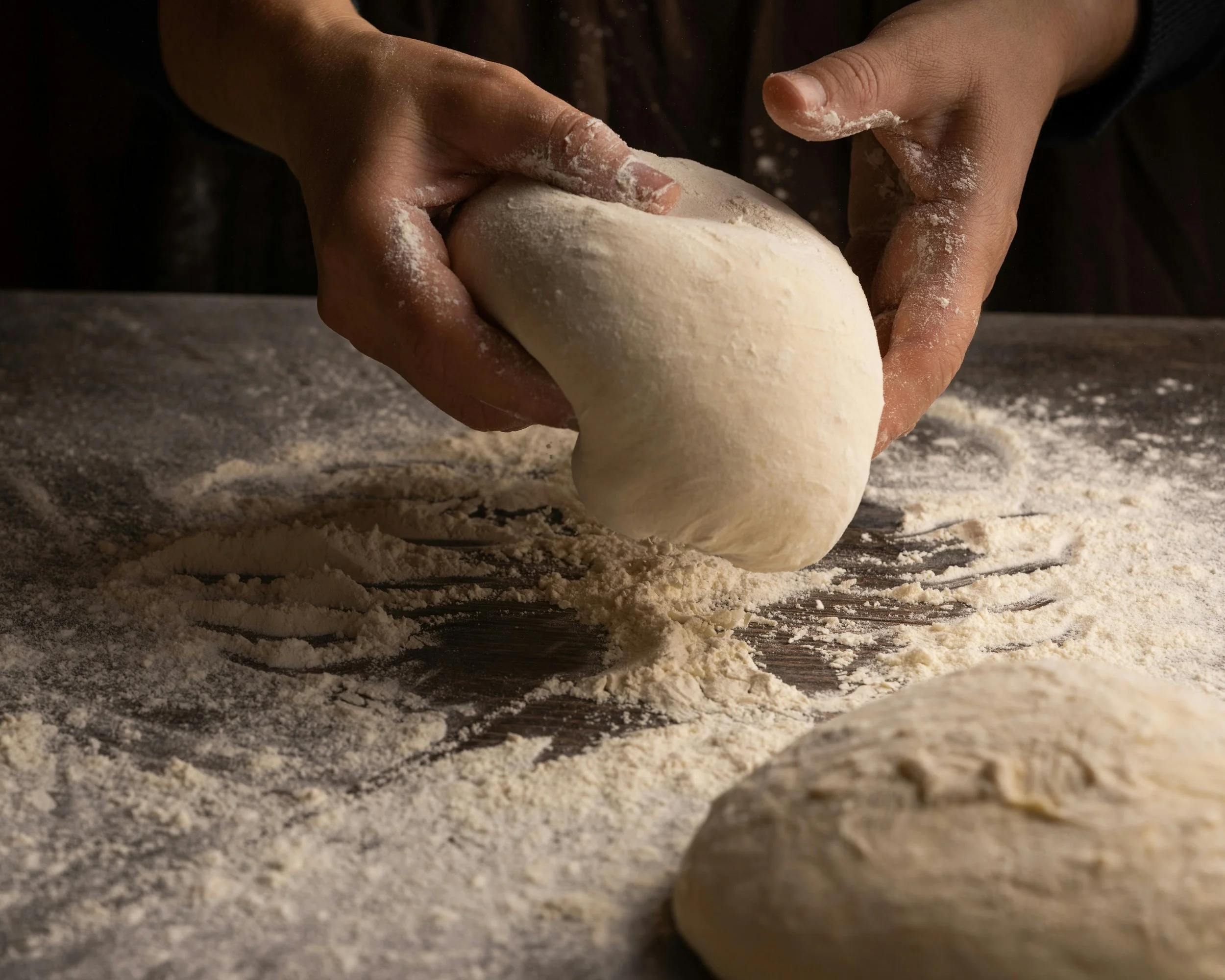
Enzymatic Shearing: How Protease Cuts Gluten (The Scissors)
When a baker talks about "strength," they are usually talking about elasticity—the ability of dough to snap back. This is the hallmark of commercial yeast bread. It is rubbery, tight, and resilient. But a sourdough baker looks for something else: Extensibility. The ability to stretch without tearing.
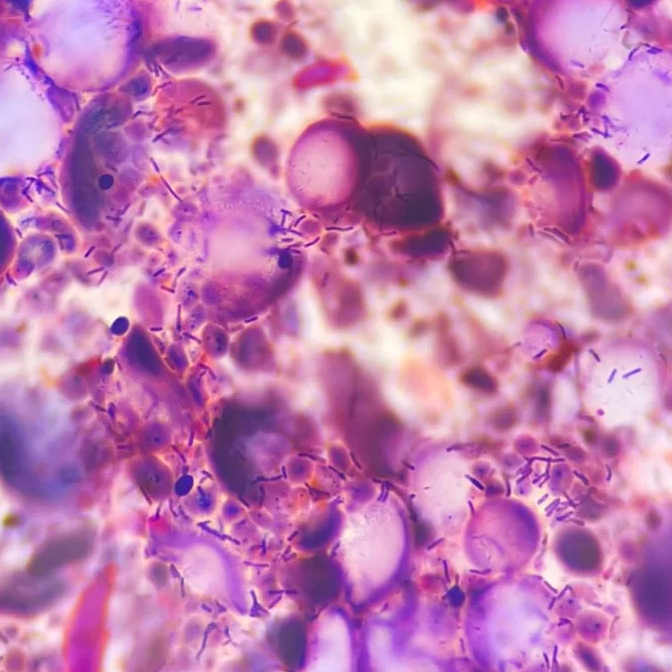
Meet The Yeast: The Sprinter vs. The Marathon Runner
In the world of baking, the word "yeast" is used carelessly. We treat the beige granules in a packet and the wild population in a sourdough starter as if they are the same organism just living at different speeds. They are not.
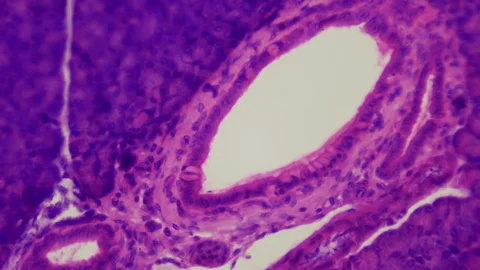
Sugar Hunters: How Amylase Unlocks the Grain
Microbes are hungry. To survive, they need sugar. But flour is not sugar. It is starch—long, complex chains of glucose molecules locked together in granules. For a yeast cell, a starch granule is like a boulder. It is too big to eat. Before the yeast can feast, someone has to break the rock. This is the job of Amylase.
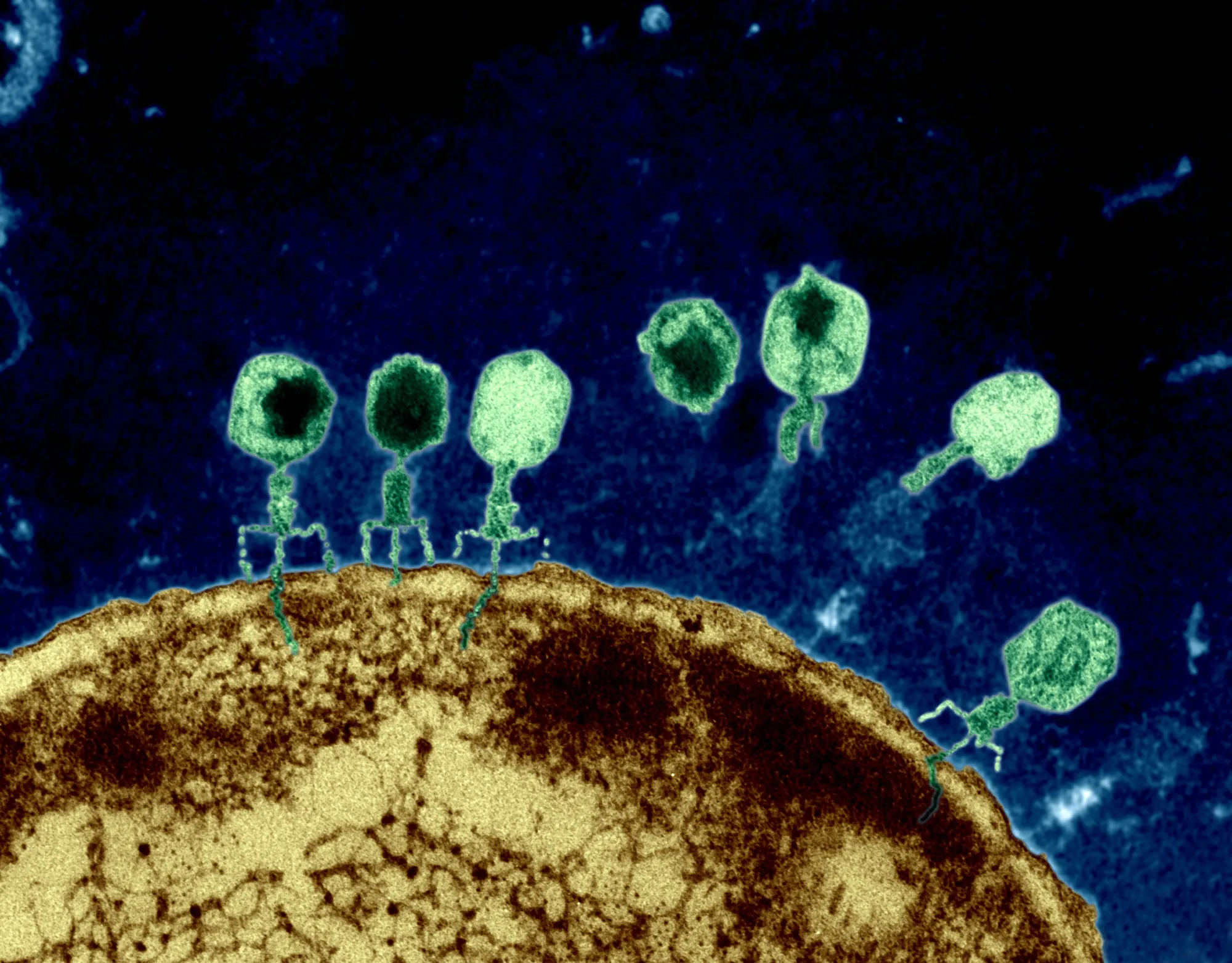
The Invisible War: Phages
You can see mold. You can smell kahm yeast. But the most lethal predator in your sourdough starter is entirely invisible. They are Bacteriophages (or simply "Phages"). They are viruses that hunt bacteria. And in the dense microbial city of a sourdough culture, they are the apex predators.
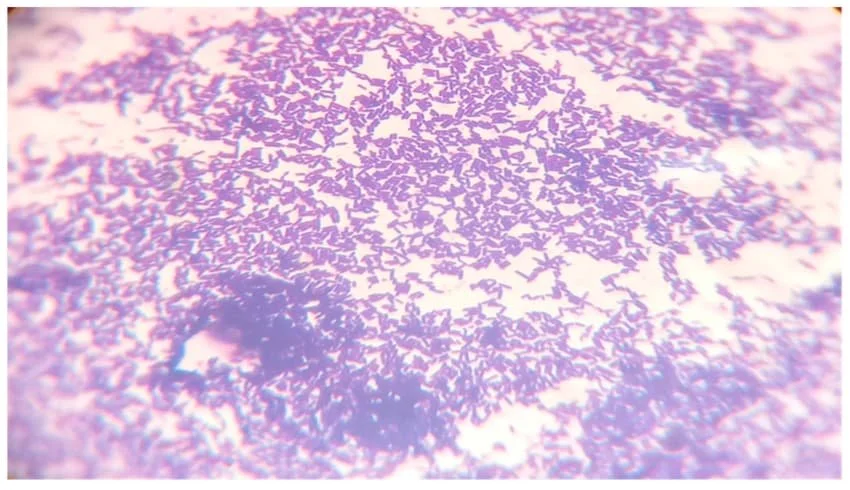
The Survivor: Lactobacillus plantarum
Lactobacillus plantarum is a survivor. It is the "Navy SEAL" of the lactic acid bacteria. It is found everywhere: in sauerkraut, pickles, kimchi, olive brines, and—crucially—in the most robust sourdough starters.
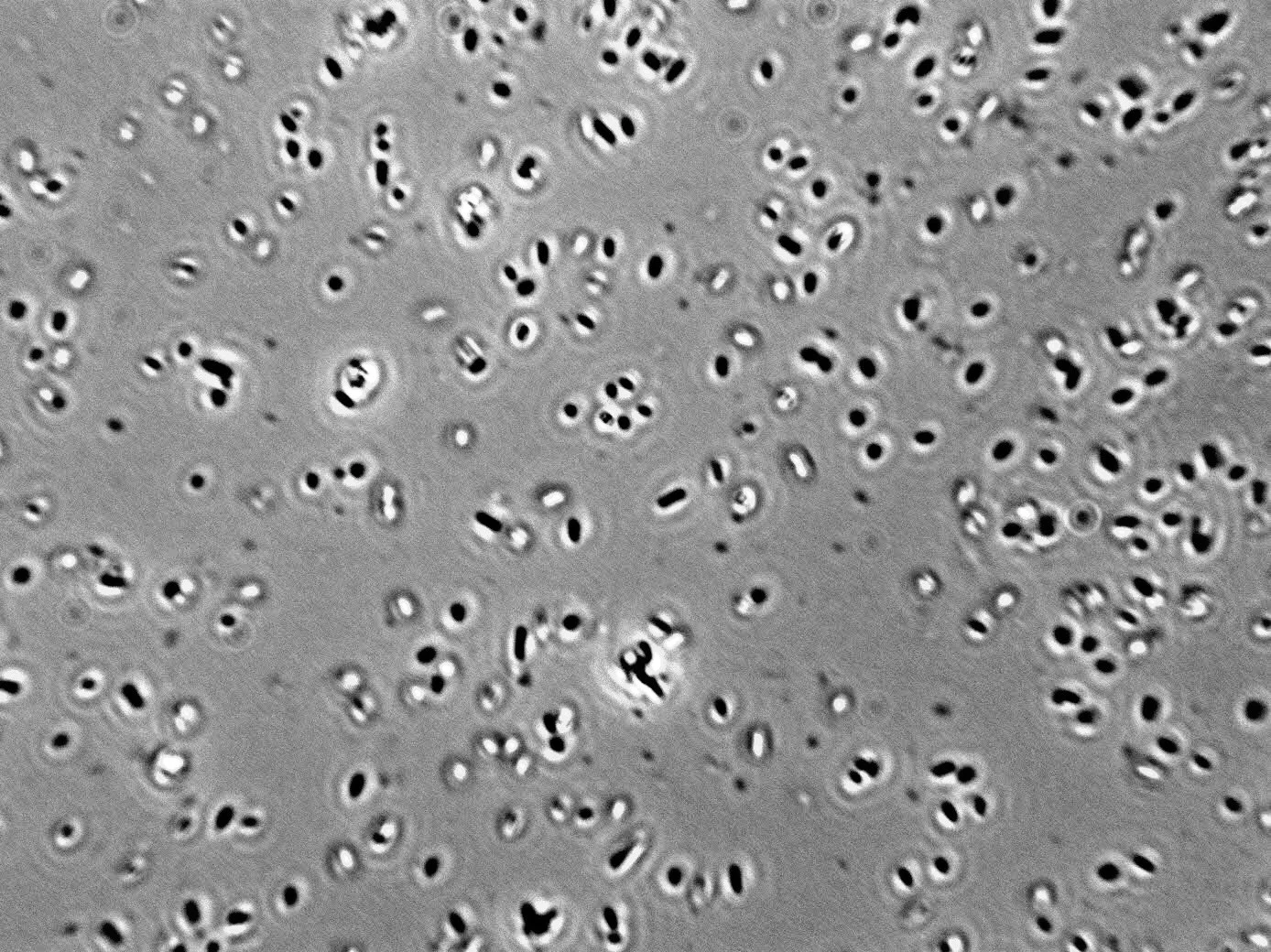
The Peacemaker: Levilactobacillus brevis
While other microbes are busy fighting for sugar, L. brevis is quietly performing a chemical conversion that has profound implications for the human brain. It takes Glutamate—an excitatory molecule—and transforms it into GABA, the molecule of calm.
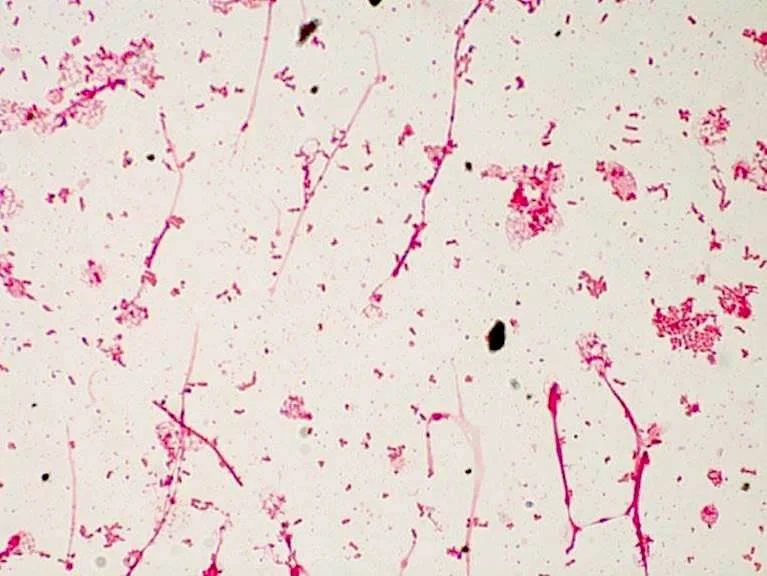
The Dead Starter: Pathogen Takeover in Neglected Jars
There is a point of no return. A moment when a neglected starter stops being a culture of beneficial microbes and becomes a Petri dish for pathogens. This transition is chemical. It is driven by a single variable: pH.
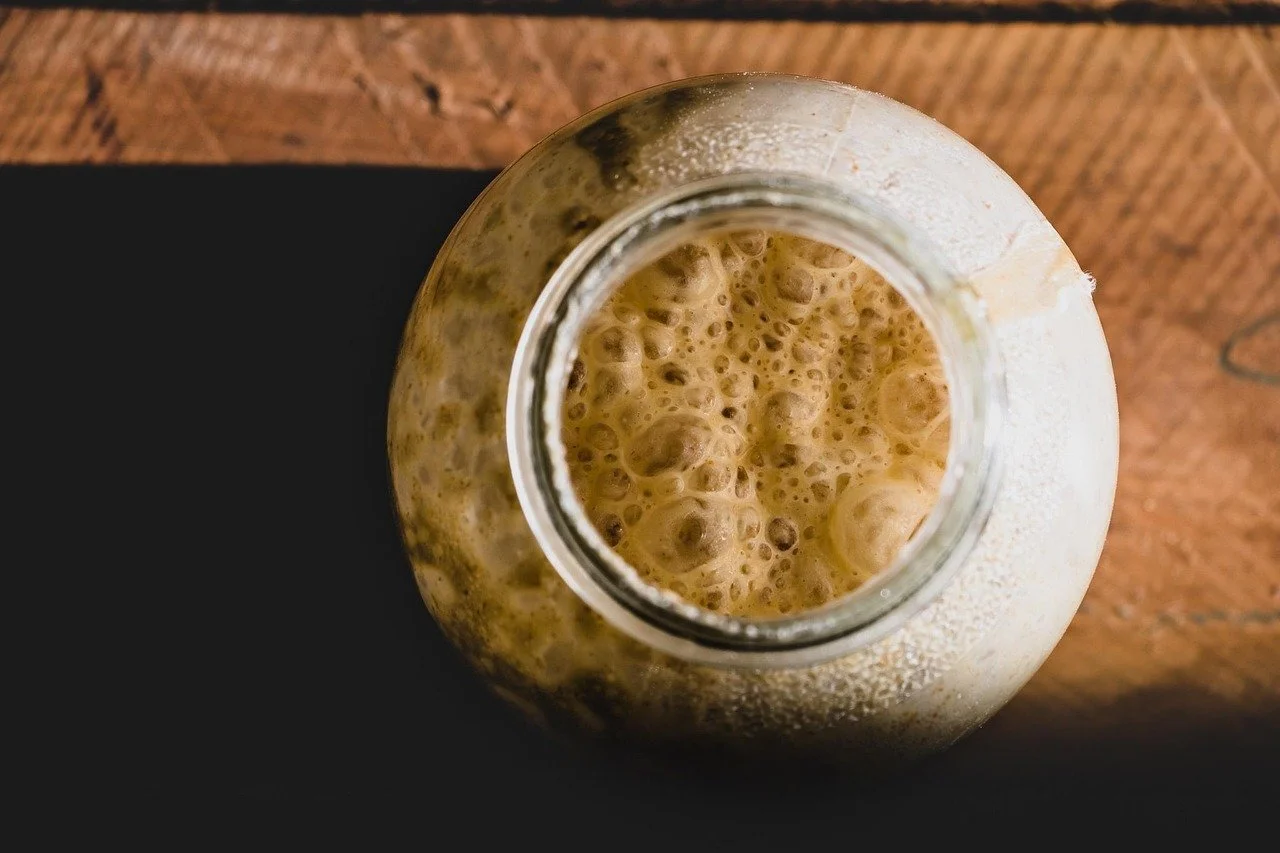
Microbial Ecology: The Lifecycle of Your Starter (And Why It Smells)
When you mix flour and water for the first time, you are not just making dough; you are terraforming a new world. You are initiating a biological sequence known as Ecological Succession. This process is violent, chaotic, and predictable. It involves a war for resources, a "Great Extinction" event, and finally, the establishment of a stable civilization.
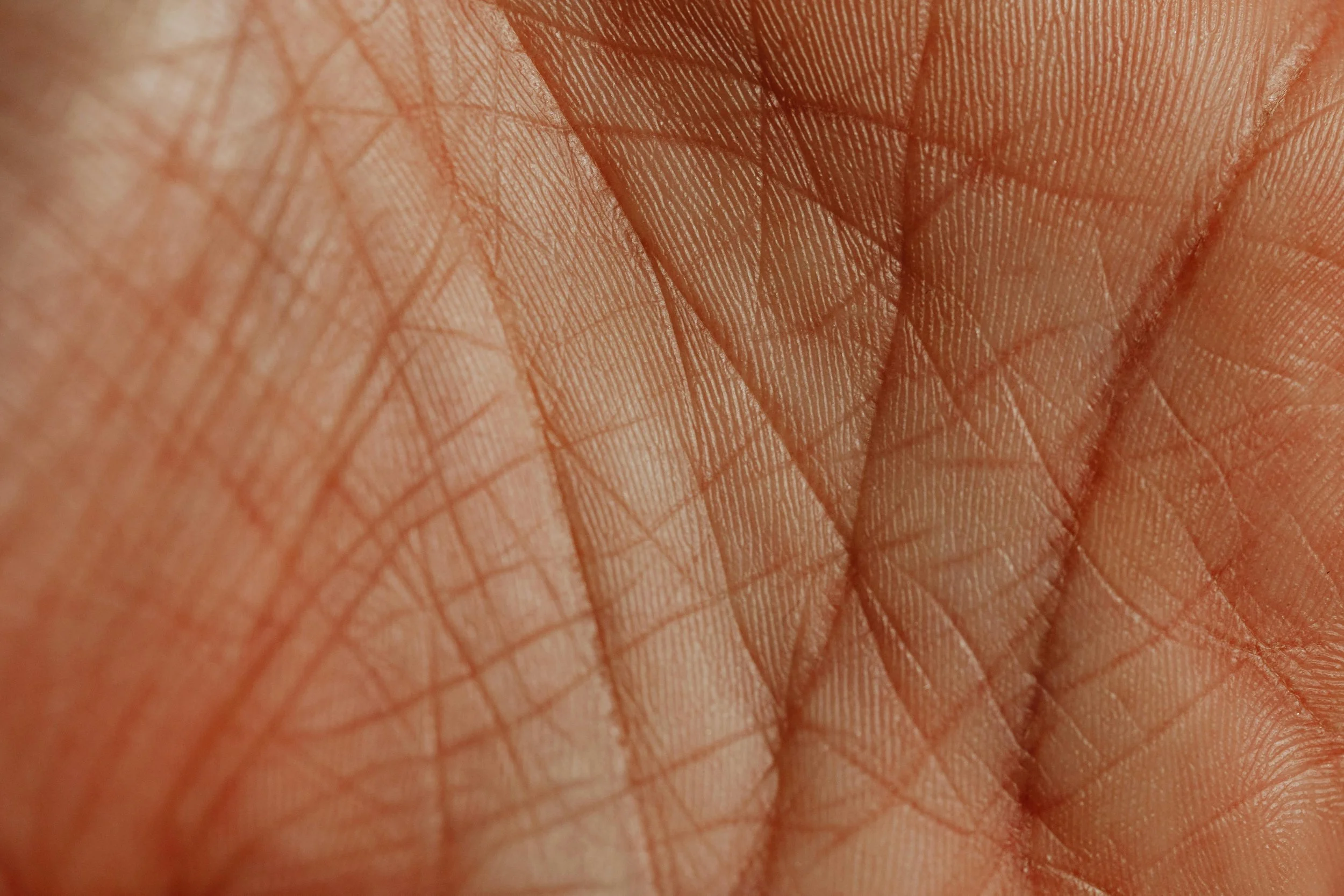
The Handshake: The Baker's Skin Microbiome
Your hands are not sterile tools. They are a thriving ecosystem, a landscape of ridges and valleys populated by millions of bacterial residents. When you knead a loaf, you are not just shaping structure; you are performing a biological handshake. You are introducing your own microbial signature to the dough.
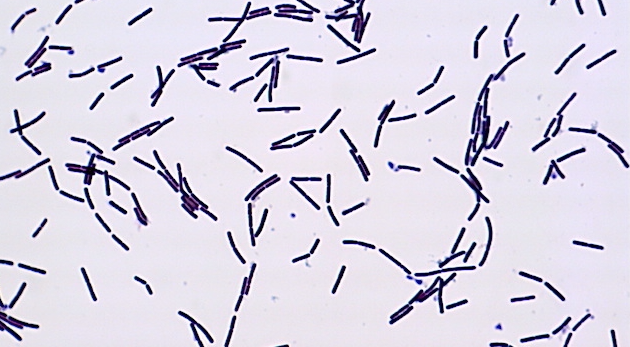
Meet Your Baker: F. sanfranciscensis.
Meet the rod-shaped bacterium with a name that barely fits on a label: Fructilactobacillus sanfranciscensis. This organism is the engine of the sourdough ecosystem. And its history is stranger than you think.