
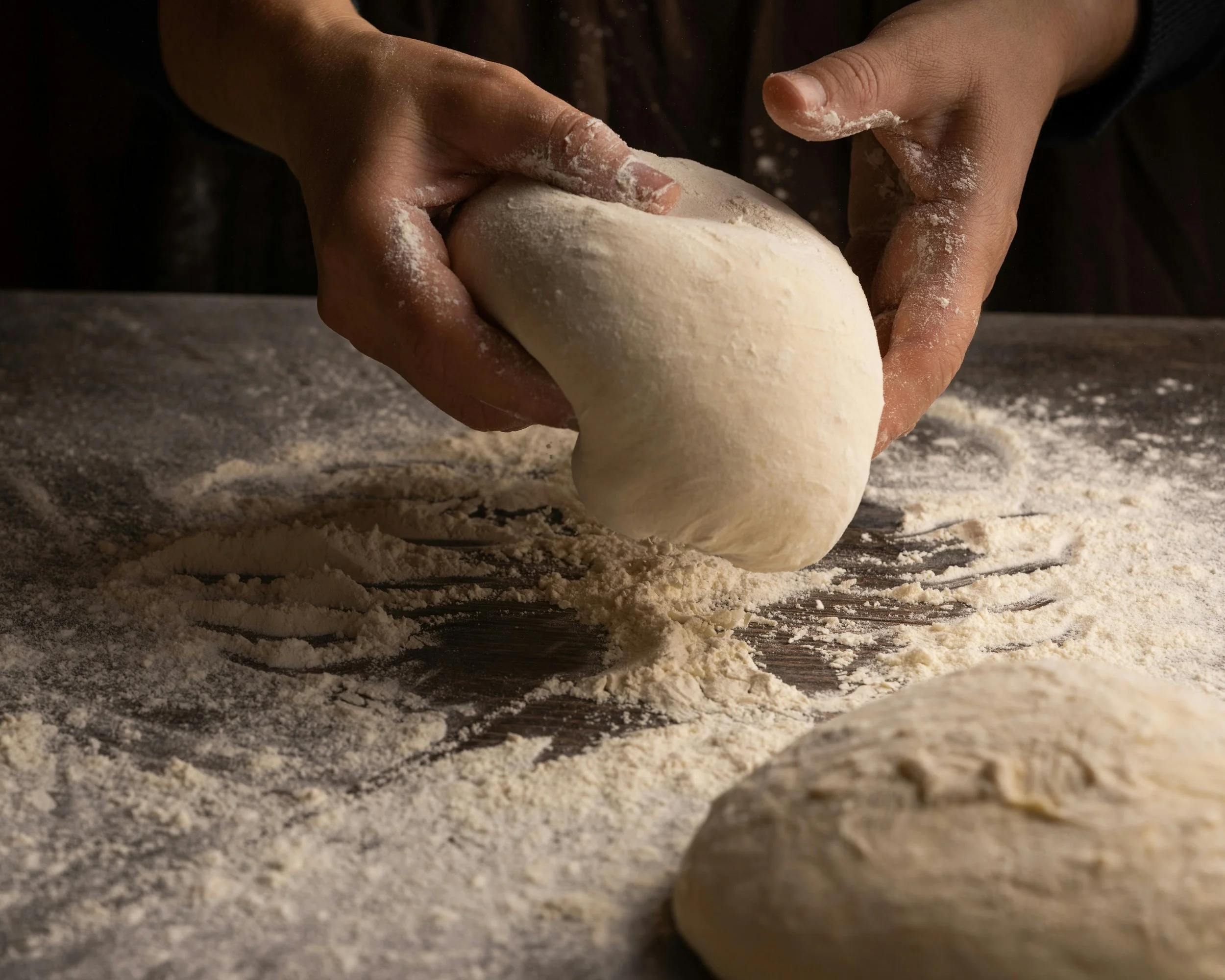
Enzymatic Shearing: How Protease Cuts Gluten (The Scissors)
When a baker talks about "strength," they are usually talking about elasticity—the ability of dough to snap back. This is the hallmark of commercial yeast bread. It is rubbery, tight, and resilient. But a sourdough baker looks for something else: Extensibility. The ability to stretch without tearing.
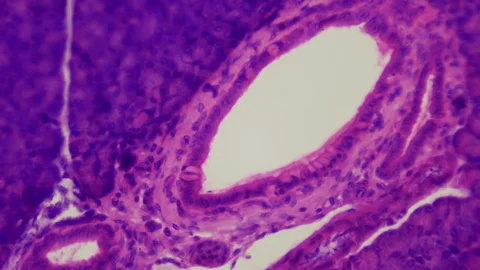
Sugar Hunters: How Amylase Unlocks the Grain
Microbes are hungry. To survive, they need sugar. But flour is not sugar. It is starch—long, complex chains of glucose molecules locked together in granules. For a yeast cell, a starch granule is like a boulder. It is too big to eat. Before the yeast can feast, someone has to break the rock. This is the job of Amylase.
What Is Protease?
Protease is a naturally occurring enzyme that breaks down proteins (proteolysis). In bread dough, protease degrades the gluten network over time.
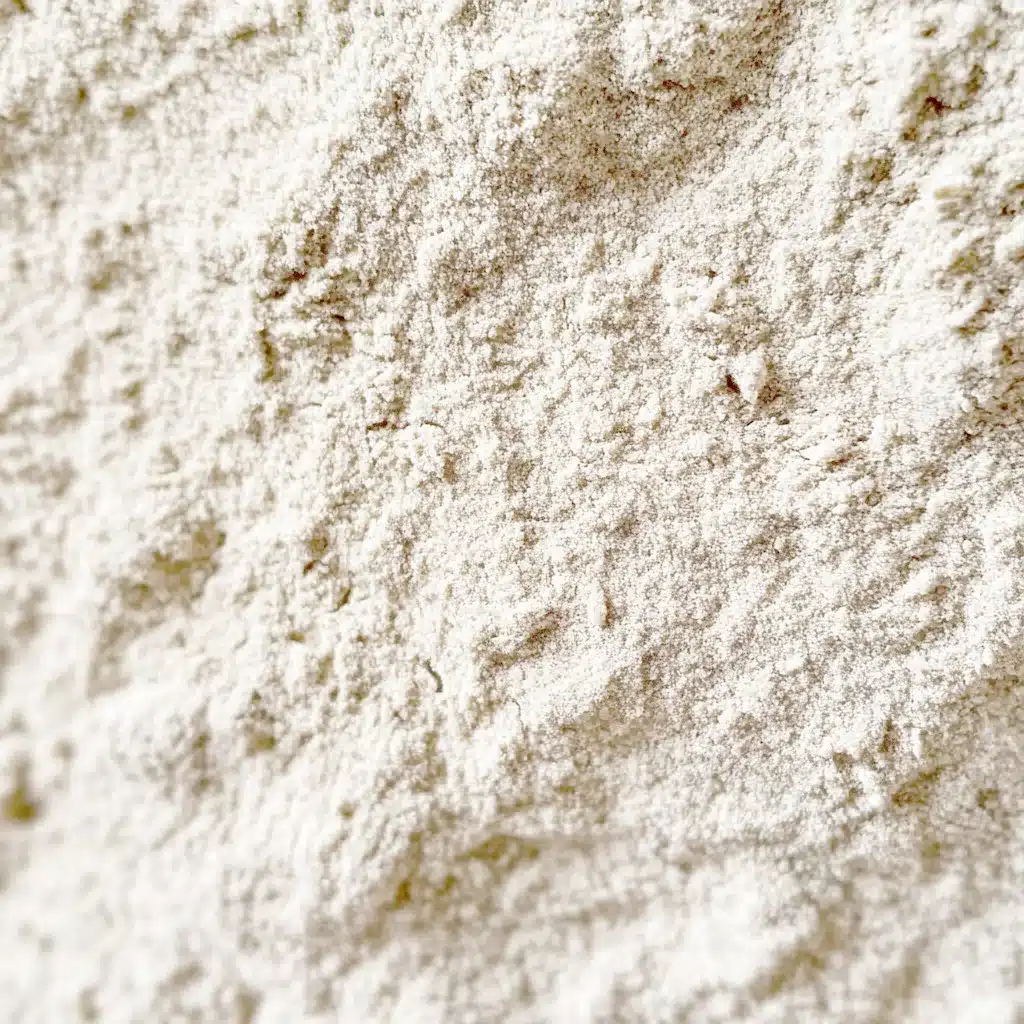
Diastatic Malt: The Fuel Injector
Professional bakers have a secret weapon for achieving that dark, mahogany crust and open interior: Malt. But not all malt is created equal. You must distinguish between "Diastatic" (Active) and "Non-Diastatic" (Inactive).

What Is Amylase?
Amylase is an enzyme naturally present in flour (and saliva) that acts as a biological catalyst. Its primary function is to break down complex starches (polysaccharides) into simple sugars (maltose and glucose).