
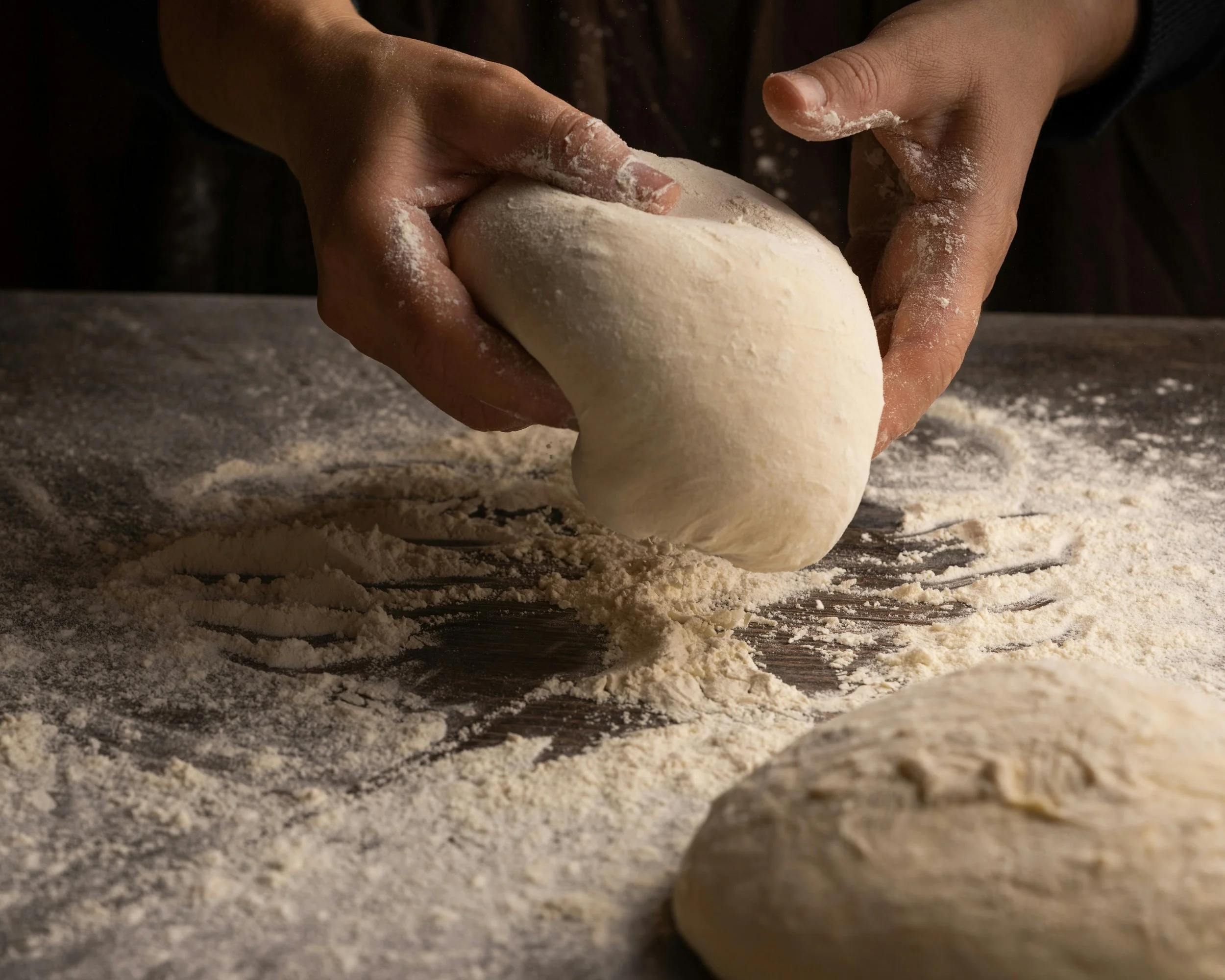
Enzymatic Shearing: How Protease Cuts Gluten (The Scissors)
When a baker talks about "strength," they are usually talking about elasticity—the ability of dough to snap back. This is the hallmark of commercial yeast bread. It is rubbery, tight, and resilient. But a sourdough baker looks for something else: Extensibility. The ability to stretch without tearing.
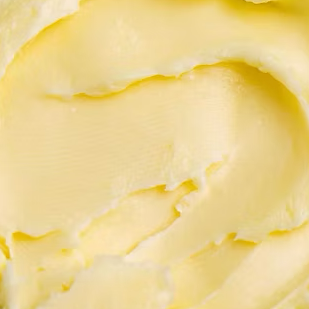
Butter: The Gluten Lubricant
Butter is the bridge between bread and pastry. In small amounts, it softens. In large amounts (like Brioche), it transforms the dough into a foam-like structure that is more air than wheat.
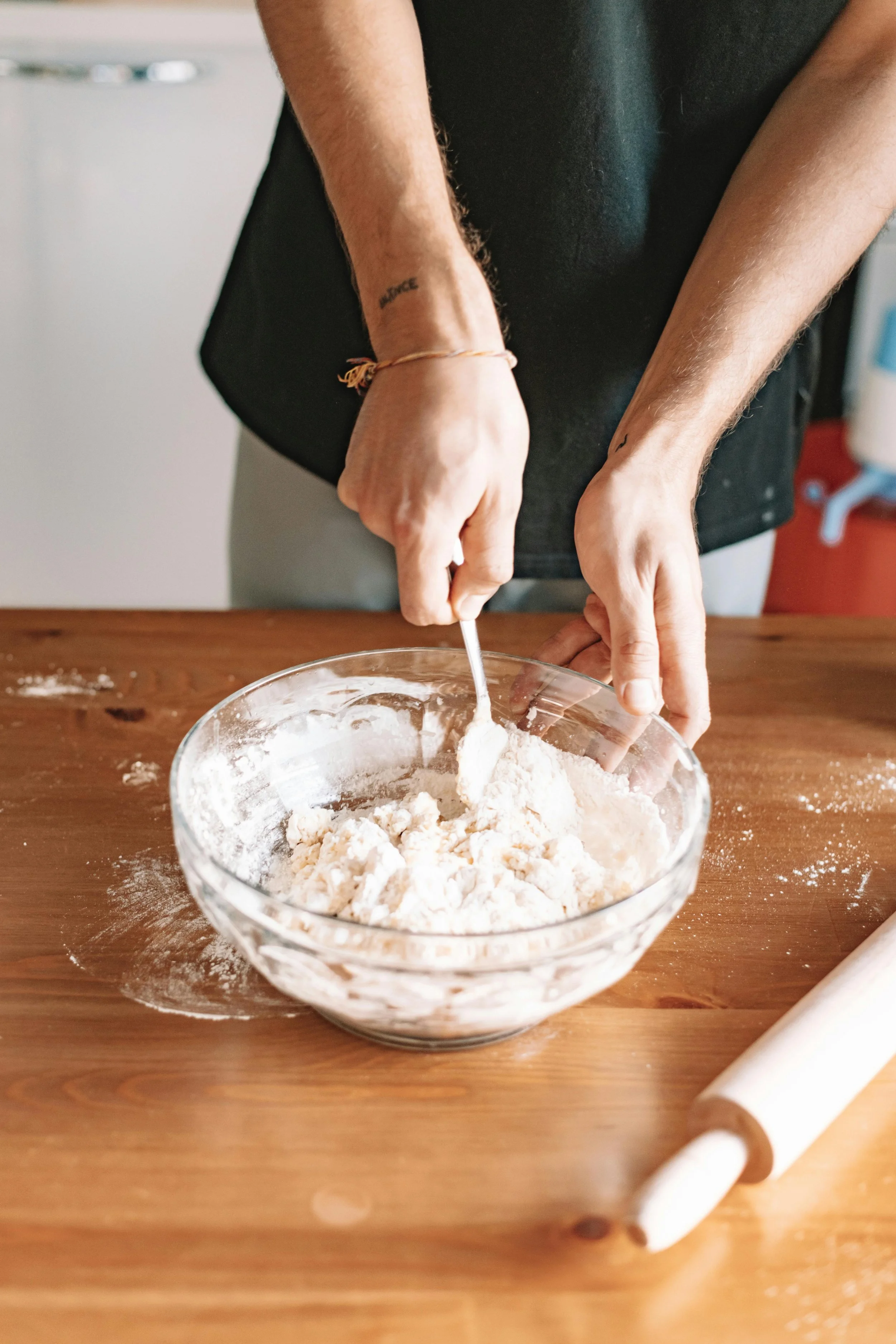
The Ultimate Guide to Autolyse
In the rush to get bread into the oven, many home bakers skip the first, most critical step of the process.
They mix everything at once—flour, water, starter, salt—and then wonder why their dough fights them. Why it tears when they stretch it. Why the crumb is tight. The missing variable is Autolyse.
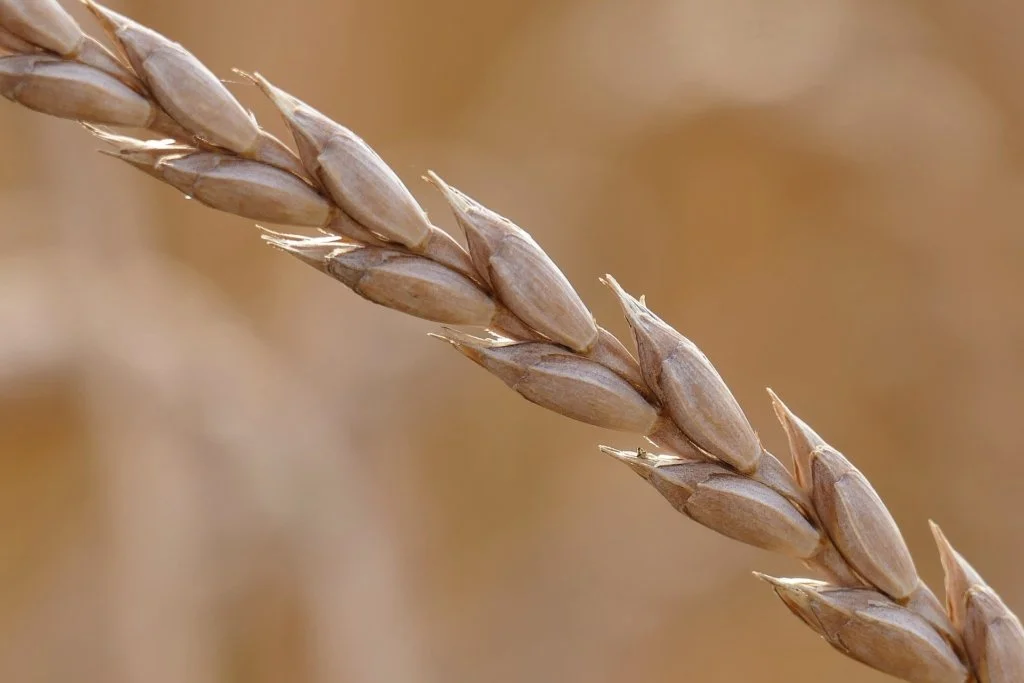
Spelt Flour: The Extensibility Paradox
Spelt is the ancient cousin of modern wheat. Many bakers switch to it for its nutty flavour or perceived health benefits, but they are often shocked when their dough collapses into a puddle.
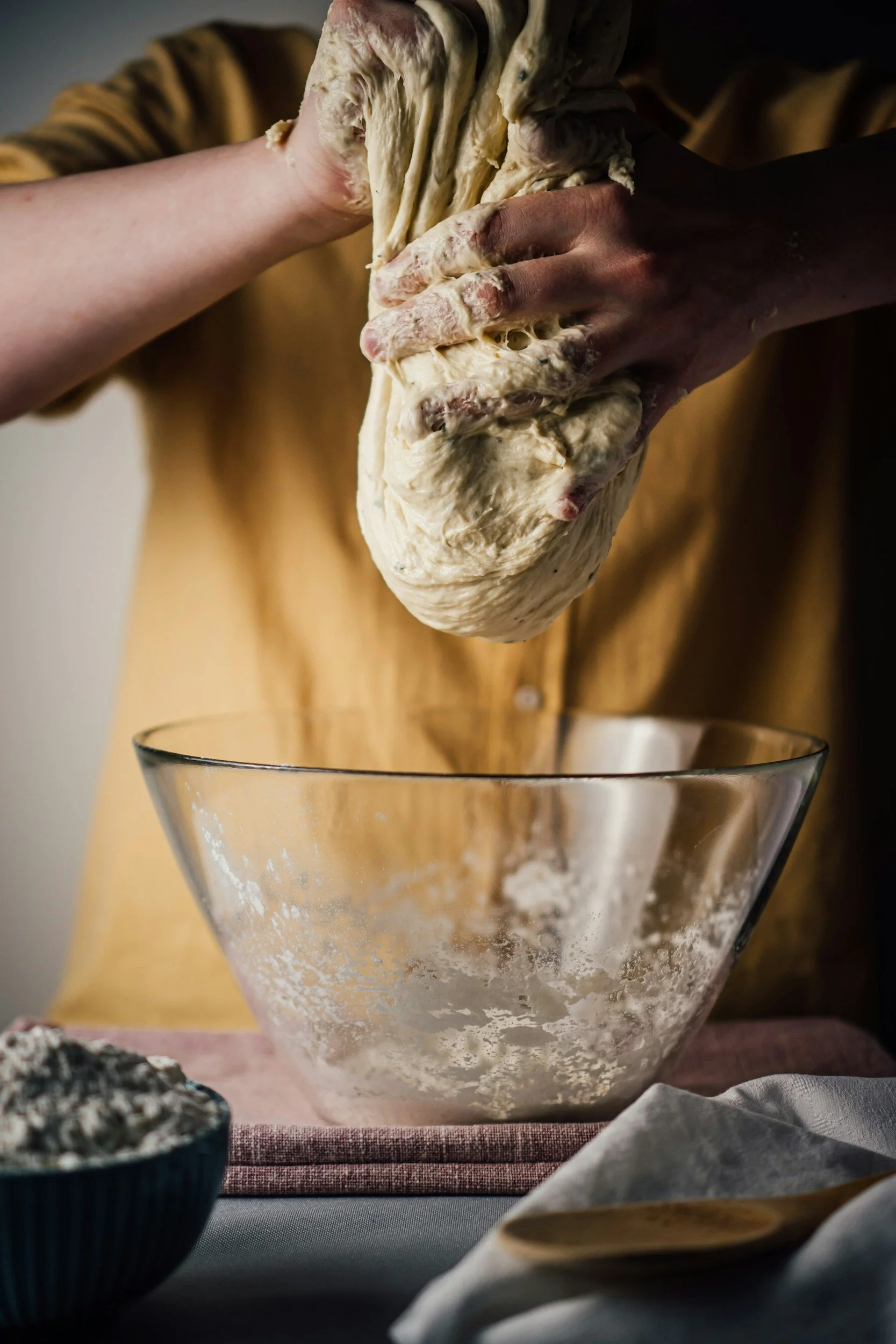
Viscoelasticity: Extensibility vs. Elasticity (Rheology)
Dough is a contradiction. It is a solid that flows like a liquid. In physics, this property is called Viscoelasticity. It means the material has both viscous (flow) and elastic (snap-back) characteristics.