
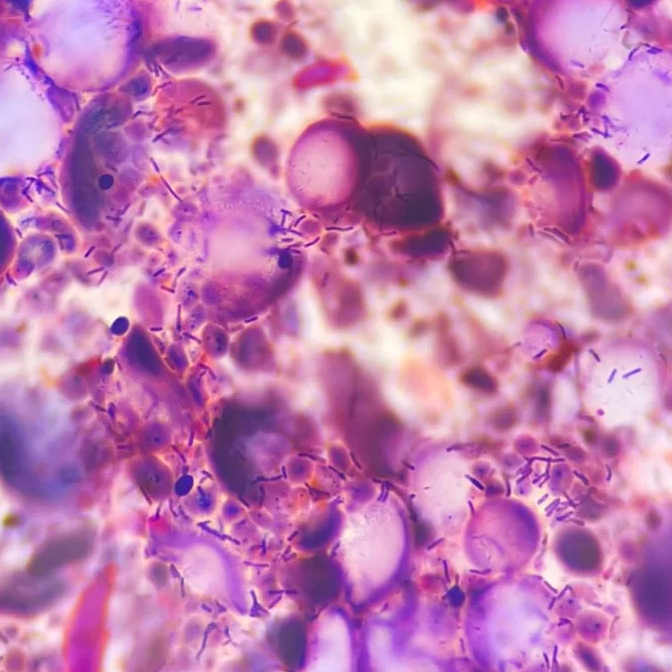
Meet The Yeast: The Sprinter vs. The Marathon Runner
In the world of baking, the word "yeast" is used carelessly. We treat the beige granules in a packet and the wild population in a sourdough starter as if they are the same organism just living at different speeds. They are not.
What Is Maltose?
Maltose is a disaccharide (simple sugar) produced when amylase enzymes break down the starch in flour. It is the primary fuel source for the sourdough ecosystem. Uniquely, the bacterium F. sanfranciscensis prefers maltose over glucose, giving it a competitive advantage in wheat dough.
The Invisible War: Phages
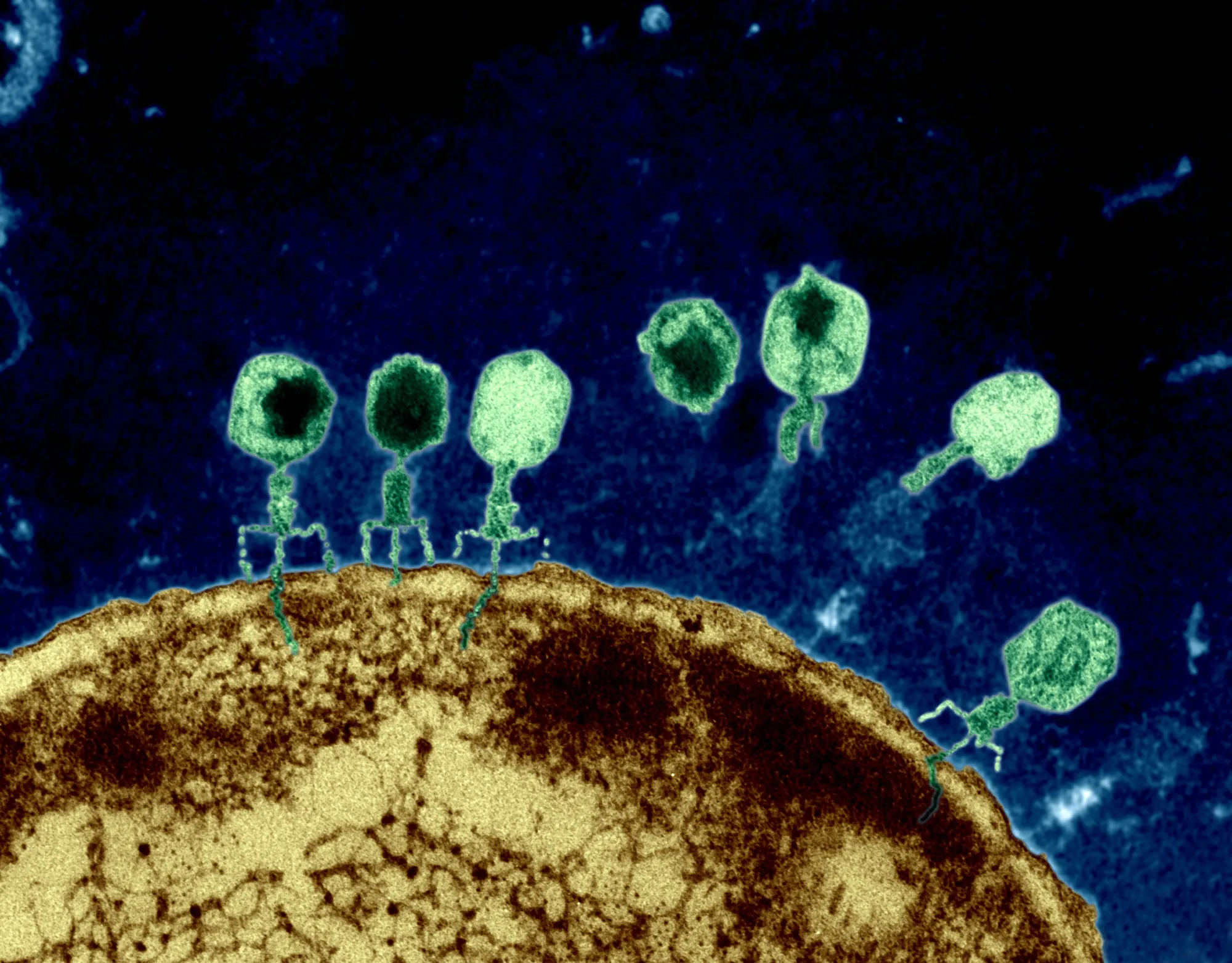
You can see mold. You can smell kahm yeast. But the most lethal predator in your sourdough starter is entirely invisible. They are Bacteriophages (or simply "Phages"). They are viruses that hunt bacteria. And in the dense microbial city of a sourdough culture, they are the apex predators.
The Survivor: Lactobacillus plantarum
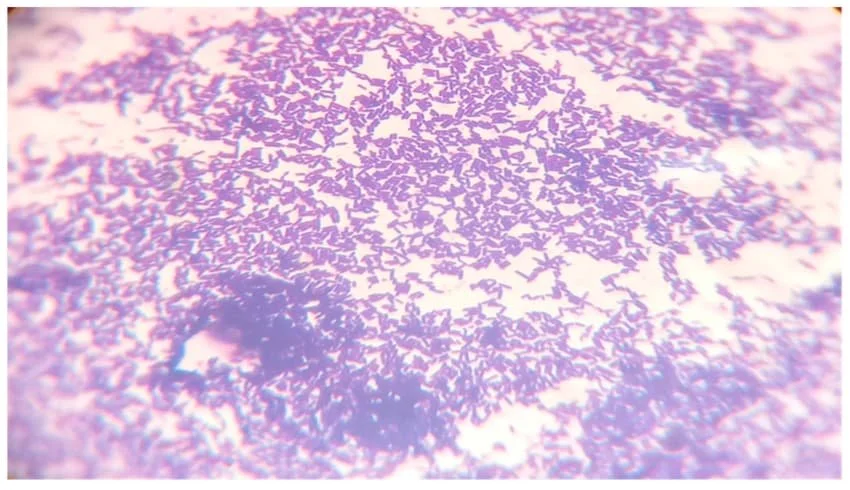
Lactobacillus plantarum is a survivor. It is the "Navy SEAL" of the lactic acid bacteria. It is found everywhere: in sauerkraut, pickles, kimchi, olive brines, and—crucially—in the most robust sourdough starters.
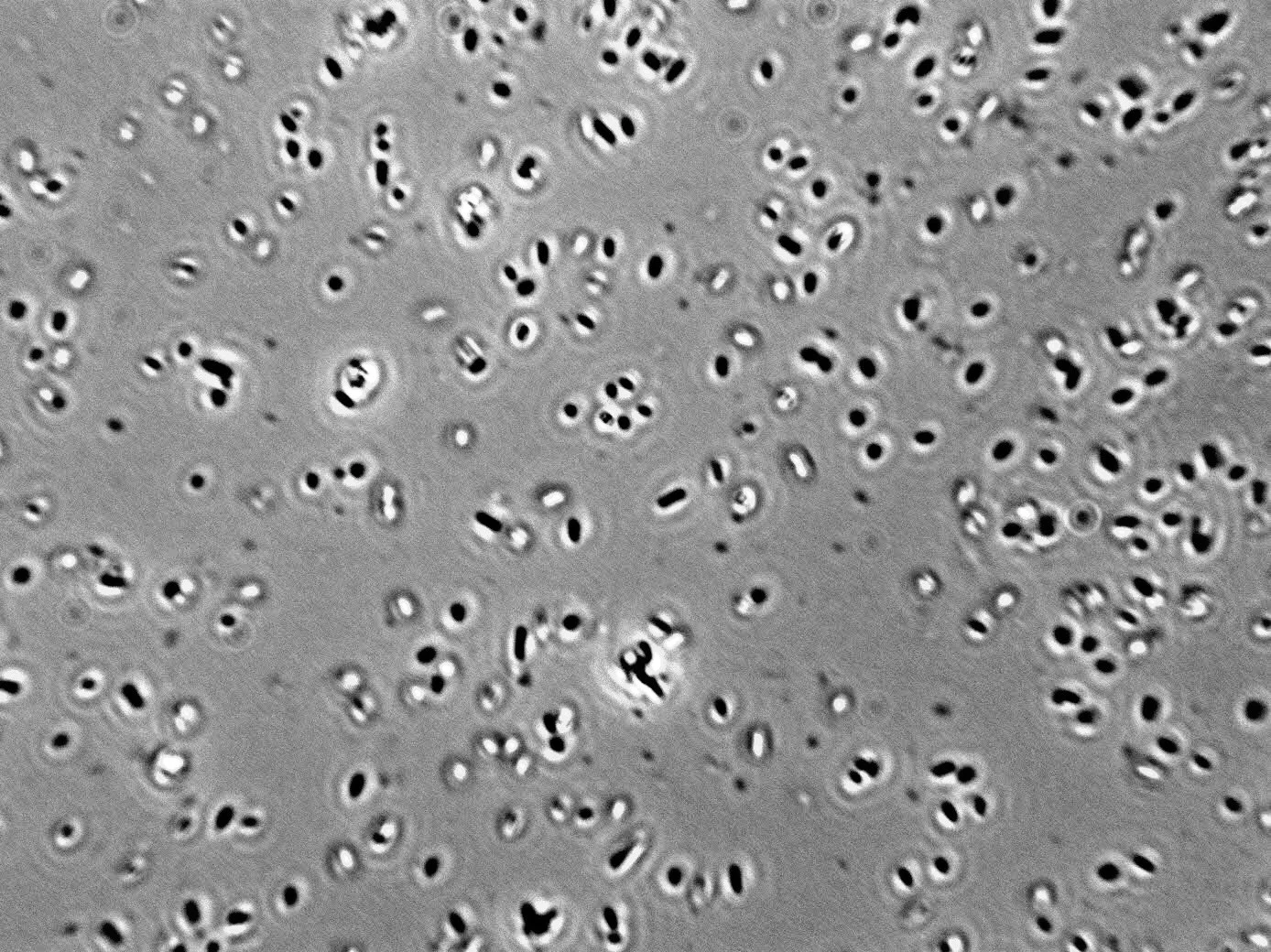
The Peacemaker: Levilactobacillus brevis
While other microbes are busy fighting for sugar, L. brevis is quietly performing a chemical conversion that has profound implications for the human brain. It takes Glutamate—an excitatory molecule—and transforms it into GABA, the molecule of calm.
What Is Wild Yeast?
Wild Yeast refers to the diverse populations of yeast species found naturally on the husks of grain, in the air, and on the skin of fruits, which are "captured" and cultivated in a sourdough starter.
What Is Lactic Acid?
Lactic acid is an organic acid produced by Lactic Acid Bacteria (LAB) during the fermentation of carbohydrates. It is responsible for the mild, creamy, yogurt-like acidity in sourdough bread. It lowers the pH of the dough, activating enzymes and extending shelf-life by inhibiting mould growth.
What Is Amylase?
Amylase is an enzyme naturally present in flour (and saliva) that acts as a biological catalyst. Its primary function is to break down complex starches (polysaccharides) into simple sugars (maltose and glucose).