
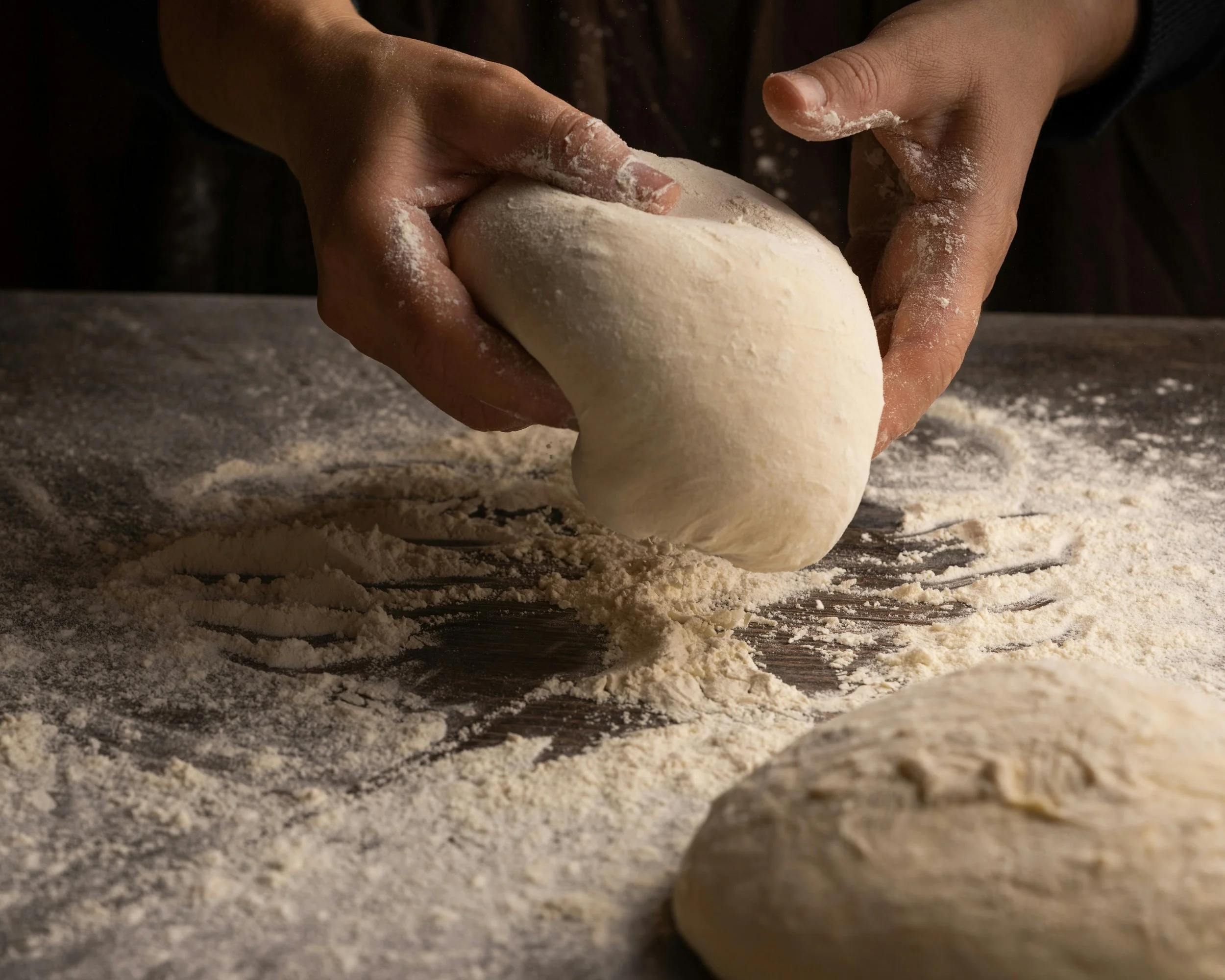
Enzymatic Shearing: How Protease Cuts Gluten (The Scissors)
When a baker talks about "strength," they are usually talking about elasticity—the ability of dough to snap back. This is the hallmark of commercial yeast bread. It is rubbery, tight, and resilient. But a sourdough baker looks for something else: Extensibility. The ability to stretch without tearing.
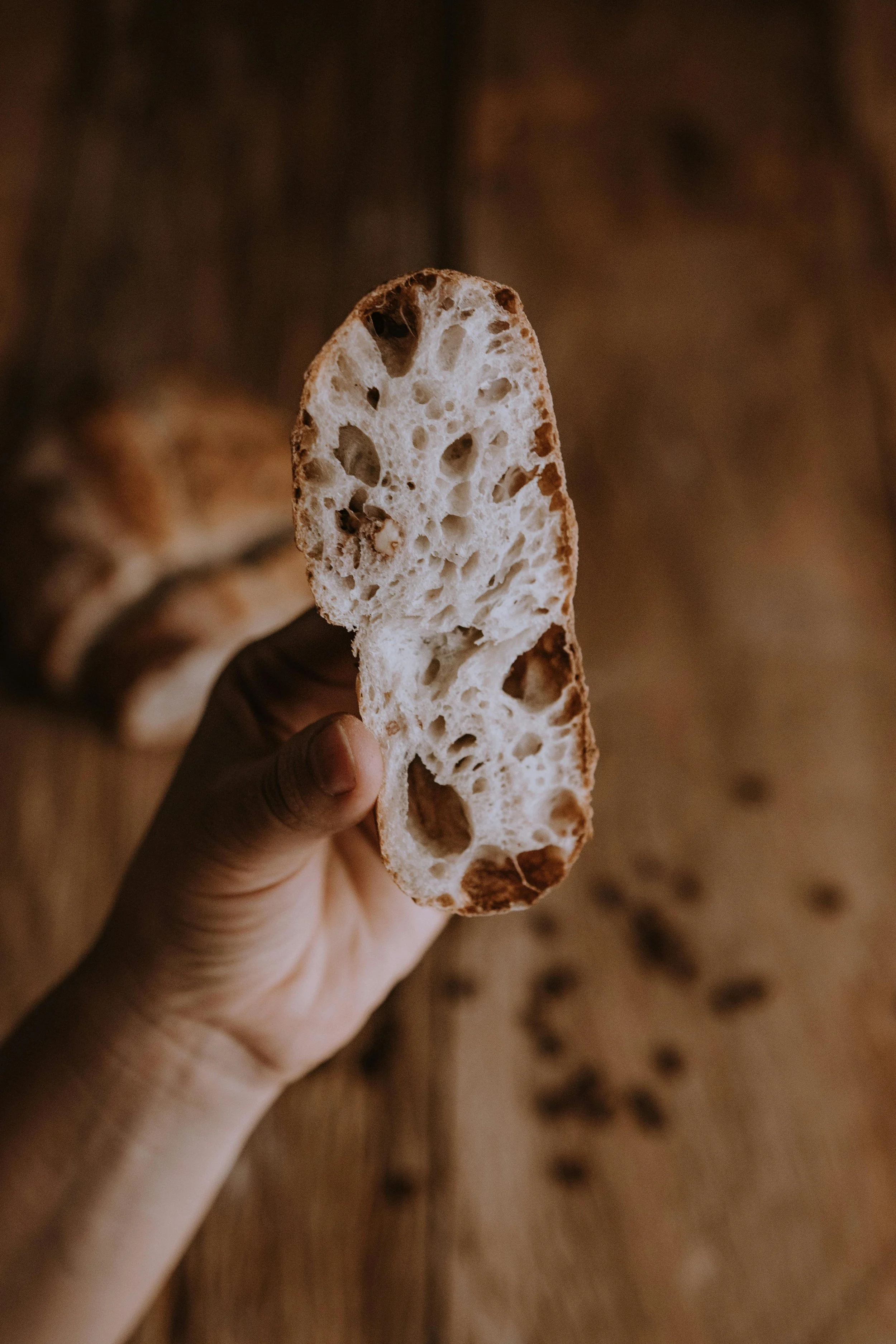
Gas Retention: Why Weak Gluten Networks Leak CO2
You can have the most active starter in the world, pumping out massive amounts of Carbon Dioxide (CO2). But if your dough cannot trap that gas, your bread will be a brick. This is the principle of Gas Retention.
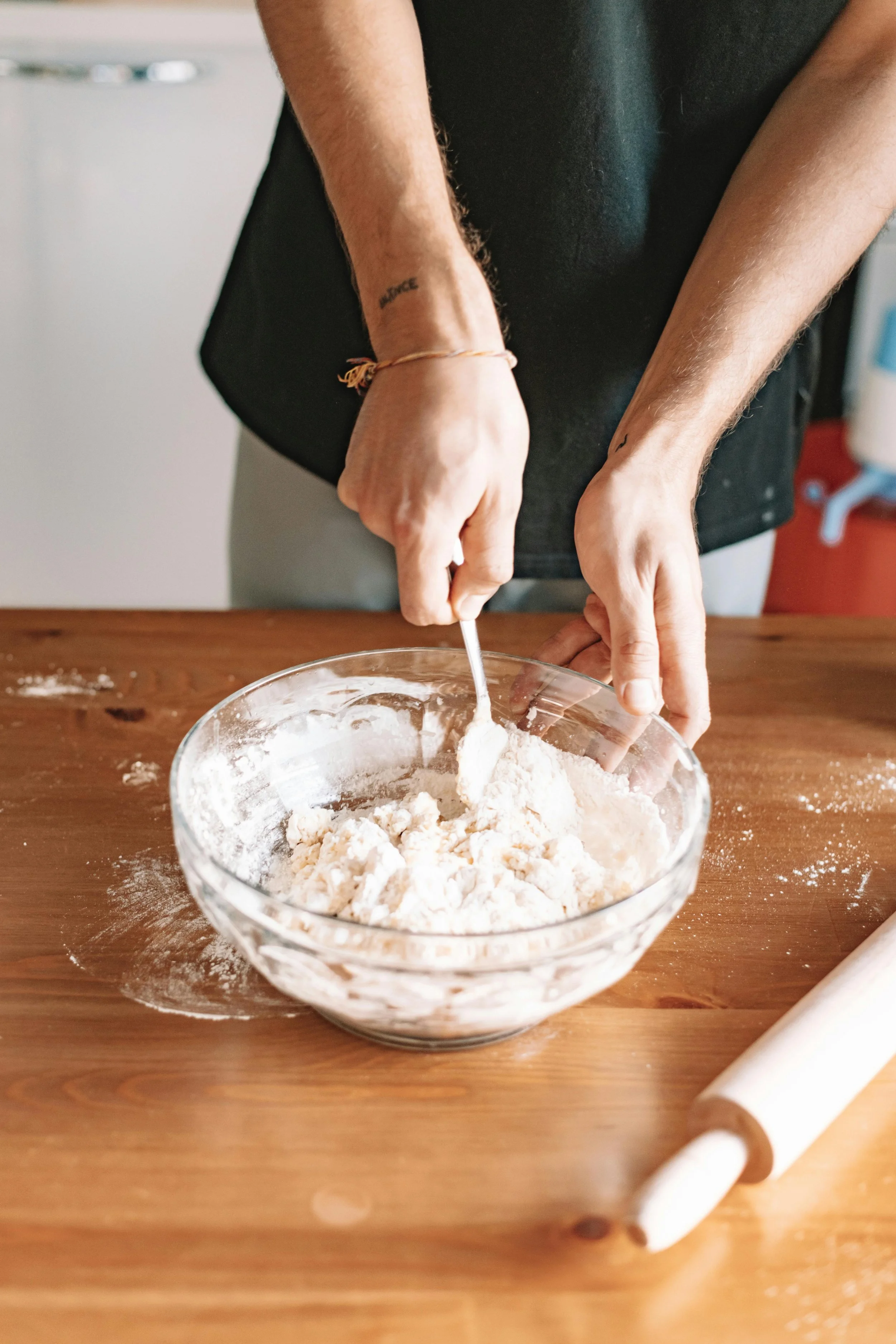
The Ultimate Guide to Autolyse
In the rush to get bread into the oven, many home bakers skip the first, most critical step of the process.
They mix everything at once—flour, water, starter, salt—and then wonder why their dough fights them. Why it tears when they stretch it. Why the crumb is tight. The missing variable is Autolyse.
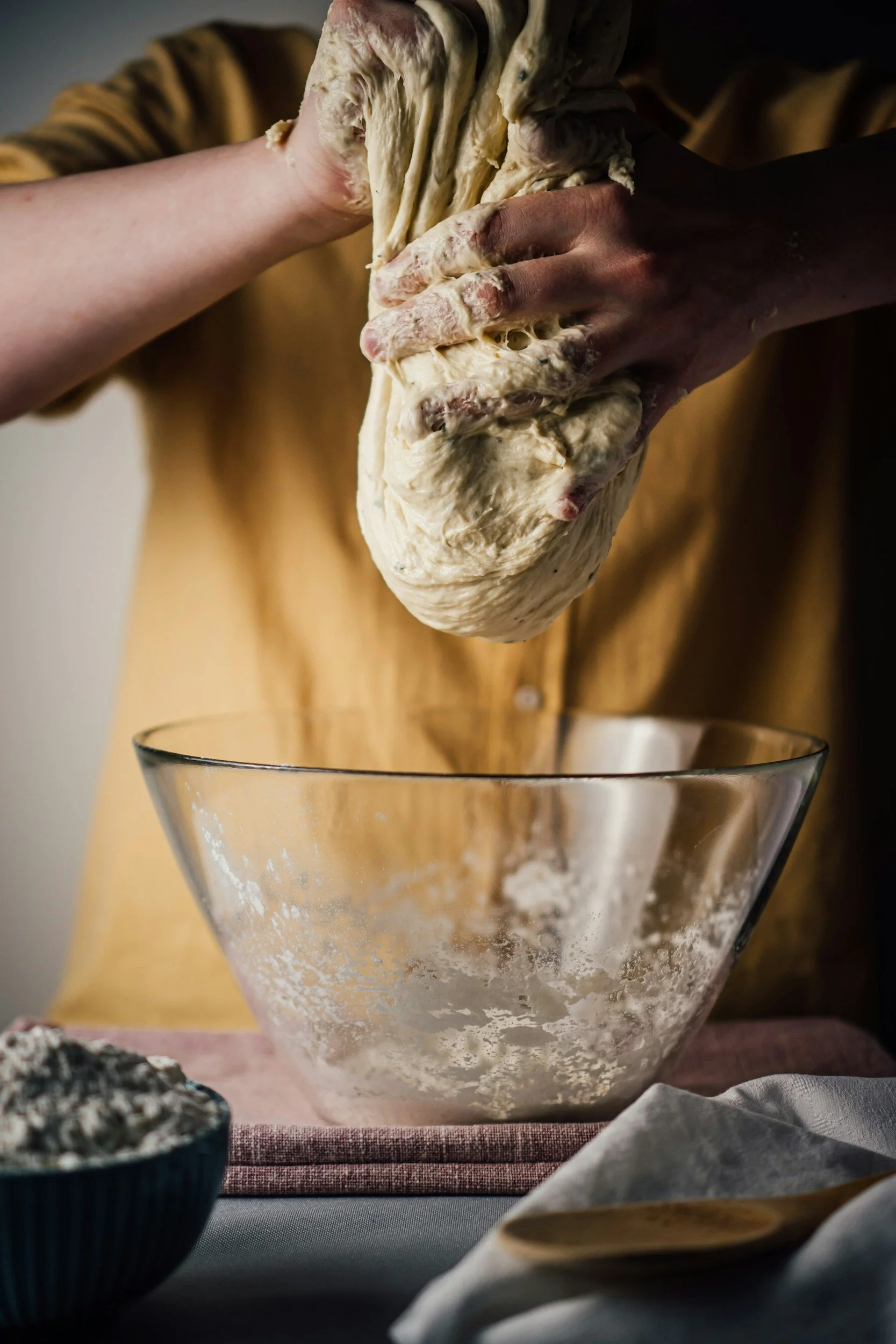
Viscoelasticity: Extensibility vs. Elasticity (Rheology)
Dough is a contradiction. It is a solid that flows like a liquid. In physics, this property is called Viscoelasticity. It means the material has both viscous (flow) and elastic (snap-back) characteristics.