
What Is The Float Test?
The Float Test is a common method used to determine if a sourdough starter or leaven is ready to use. It involves dropping a teaspoon of starter into a glass of water; if it floats, it is deemed "ripe."
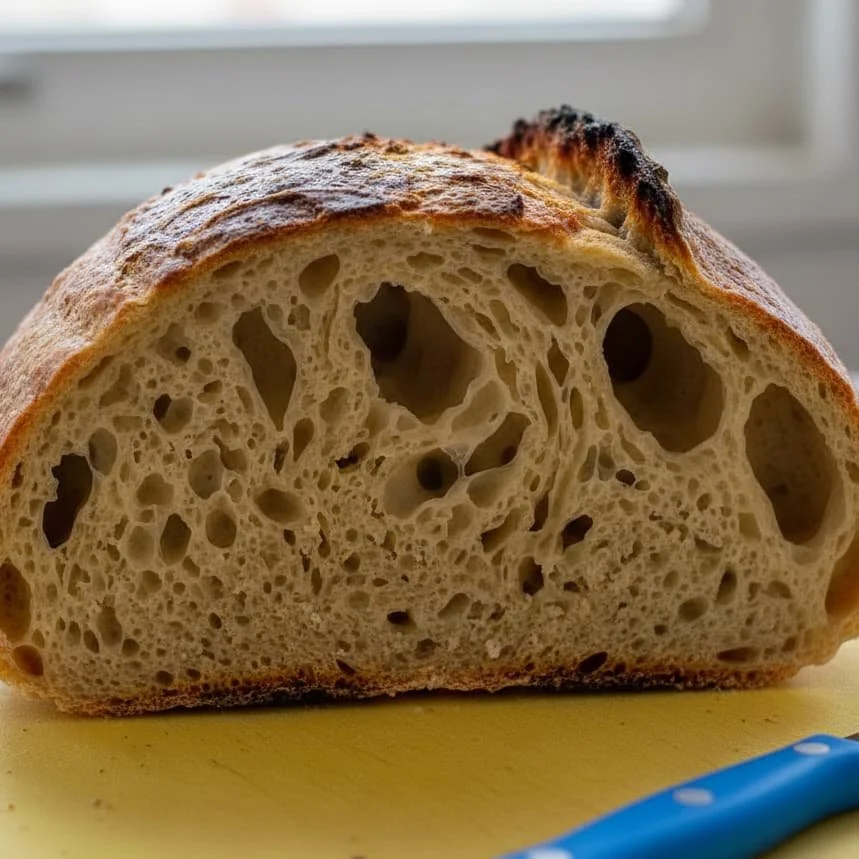
Troubleshoot: The "Fool's Crumb"
In the pursuit of the "Instagram Crumb"—that wild, open lattice of air pockets—many bakers fall into a specific trap. You slice the loaf and see massive, cavernous holes. You celebrate. But when you eat it, the bread is heavy, chewy, and dense.
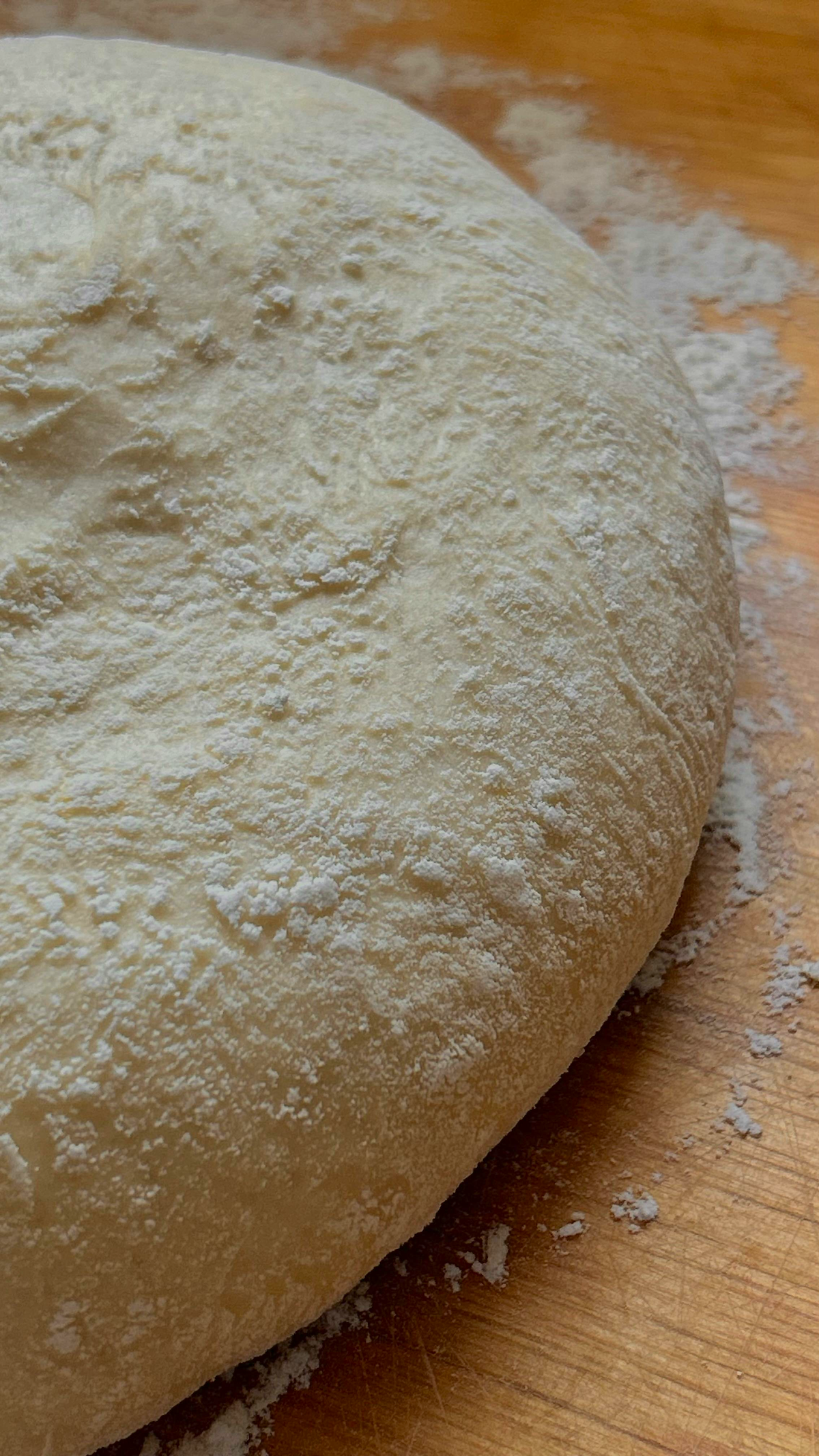
Altitude Baking: Adjusting Pressure Variables
At high altitudes, the air pressure is lower. This invisible change alters the behaviour of every gas bubble and water molecule in your dough. To bake successfully, you must adjust your variables to match your environment.
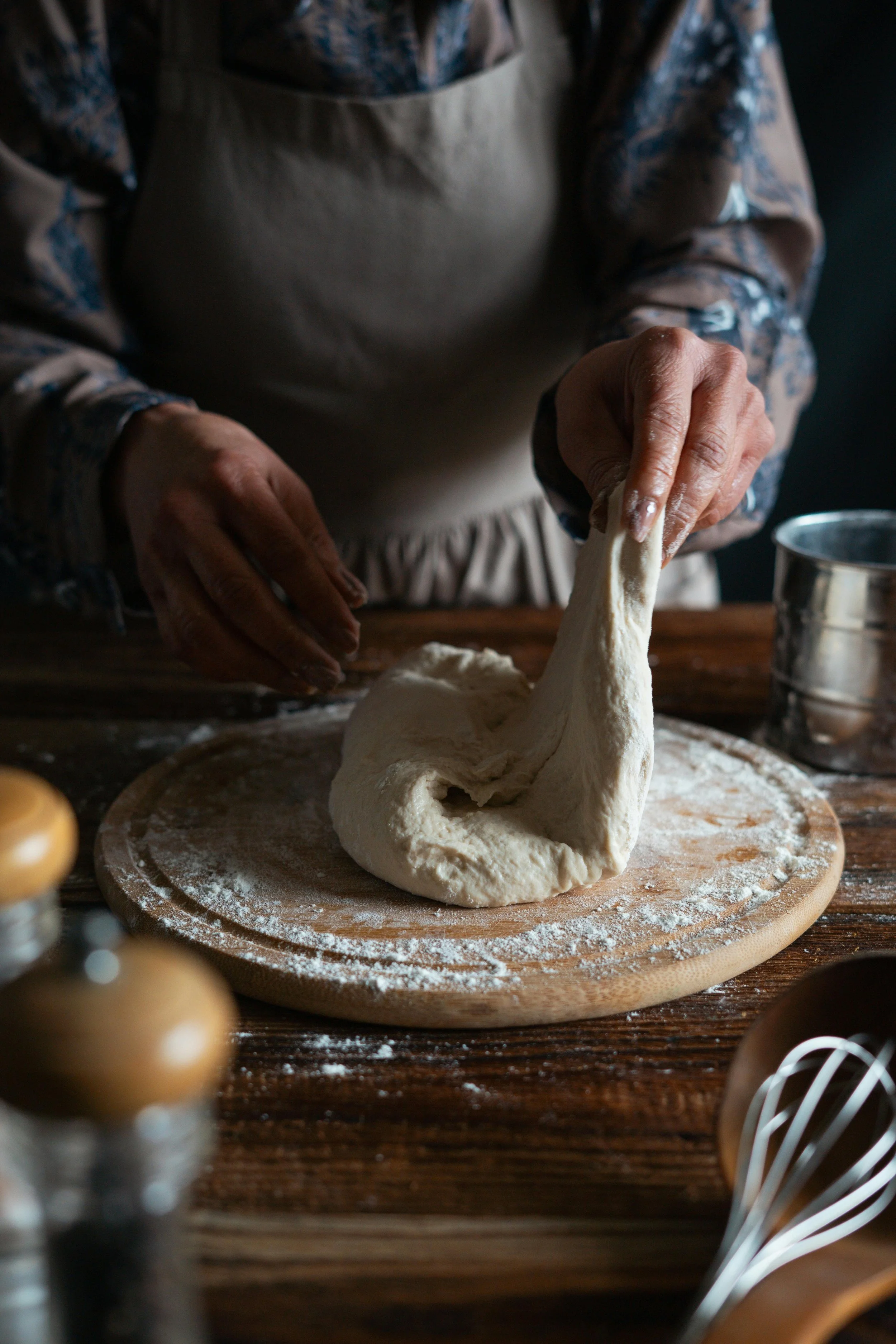
Tactile Metrics: The Windowpane, The Poke, The Jiggly Test
The only reliable clock is the dough itself. To read it, you must stop looking and start touching. These are the three Tactile Metrics that every sourdough baker must master to judge the invisible biology of the jar.
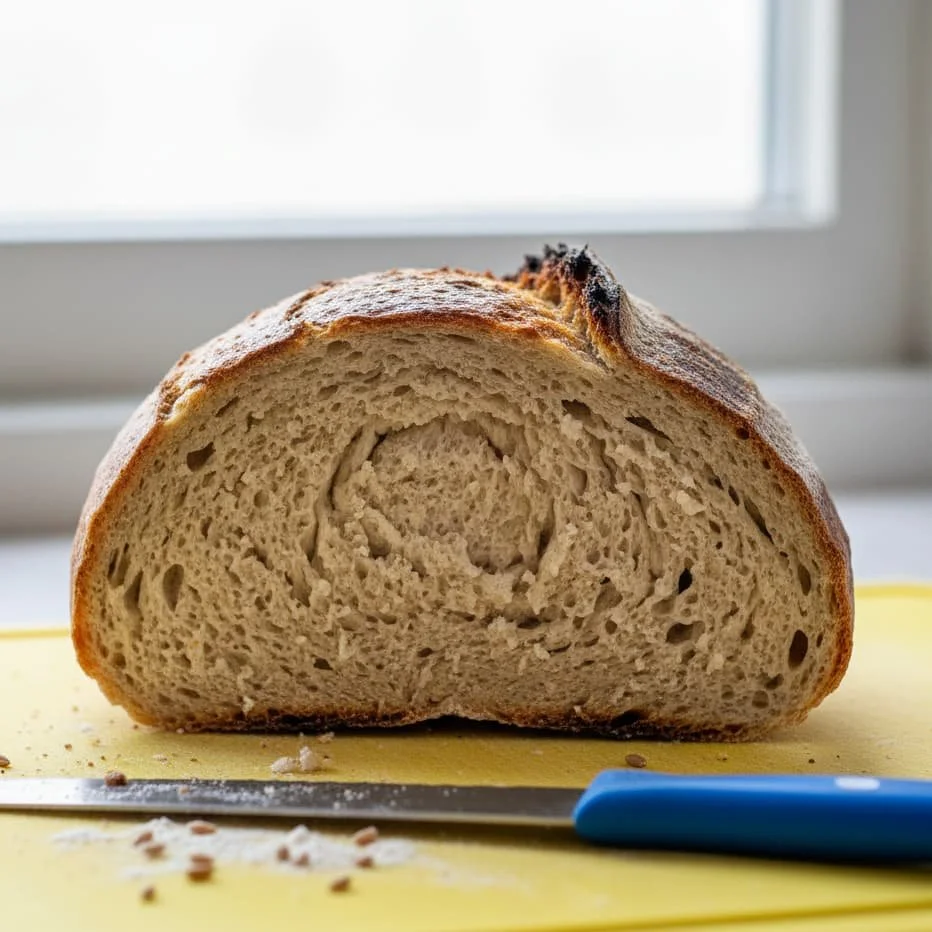
Troubleshoot: Gummy Crumb
There is a specific heartbreak reserved for the moment you slice a beautiful loaf, only to find the knife coated in a sticky, shiny residue. The crumb looks wet. When you press it, it balls up like putty rather than springing back. It eats like raw dough.
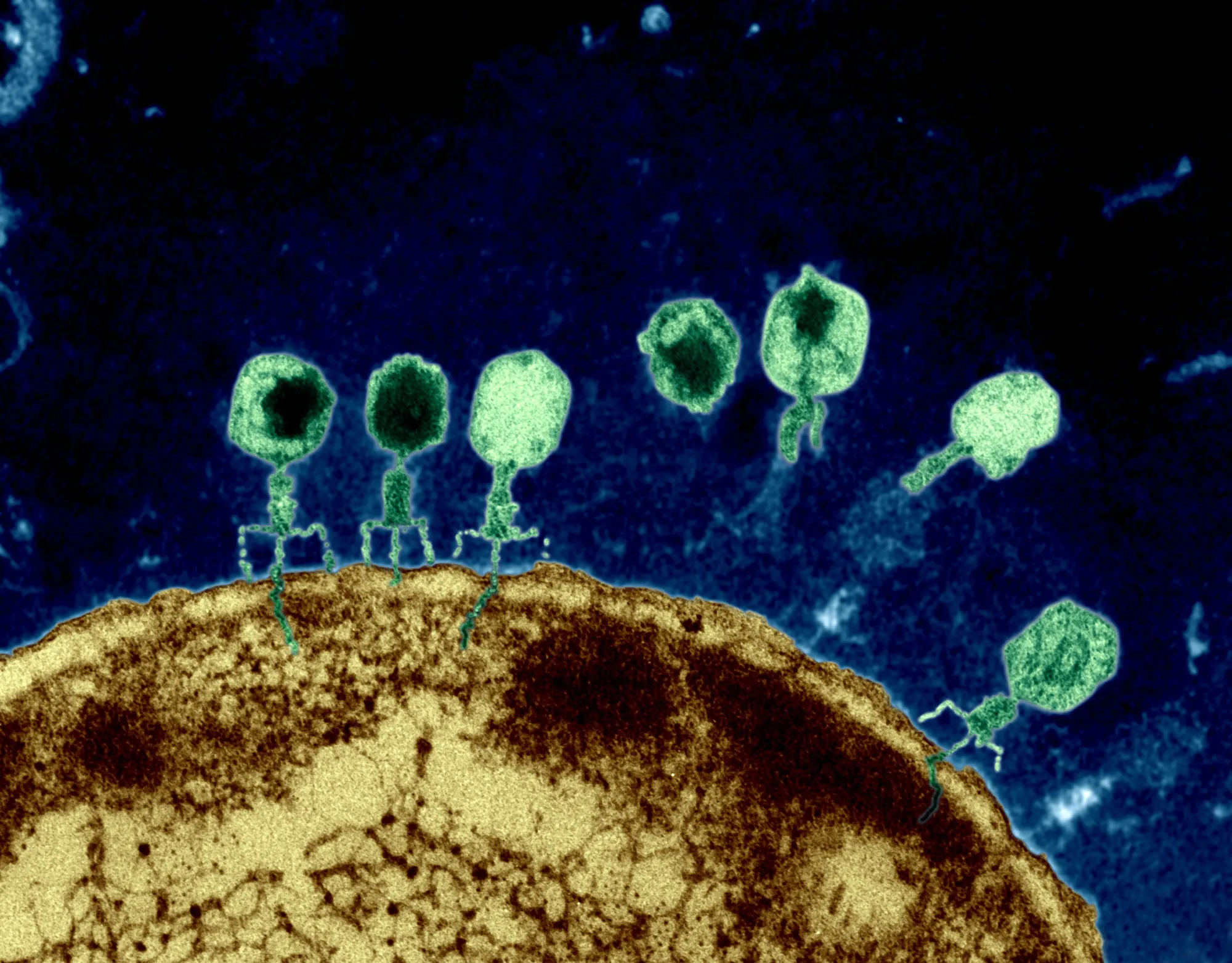
The Invisible War: Phages
You can see mold. You can smell kahm yeast. But the most lethal predator in your sourdough starter is entirely invisible. They are Bacteriophages (or simply "Phages"). They are viruses that hunt bacteria. And in the dense microbial city of a sourdough culture, they are the apex predators.
What Is Hooch?
Hooch is a colloquial term for the liquid layer (ranging from clear to grey or black) that accumulates on top of a neglected sourdough starter. Biologically, it is primarily ethanol (alcohol) produced by wild yeast during fermentation.
What Is Crumb Structure?
Crumb Structure refers to the pattern of holes (alveoli) inside the bread. It is the primary diagnostic tool for a baker. A "tight" crumb with small, even holes often indicates lower hydration or over-handling. An "open" crumb with large, irregular holes indicates high hydration and gentle fermentation.
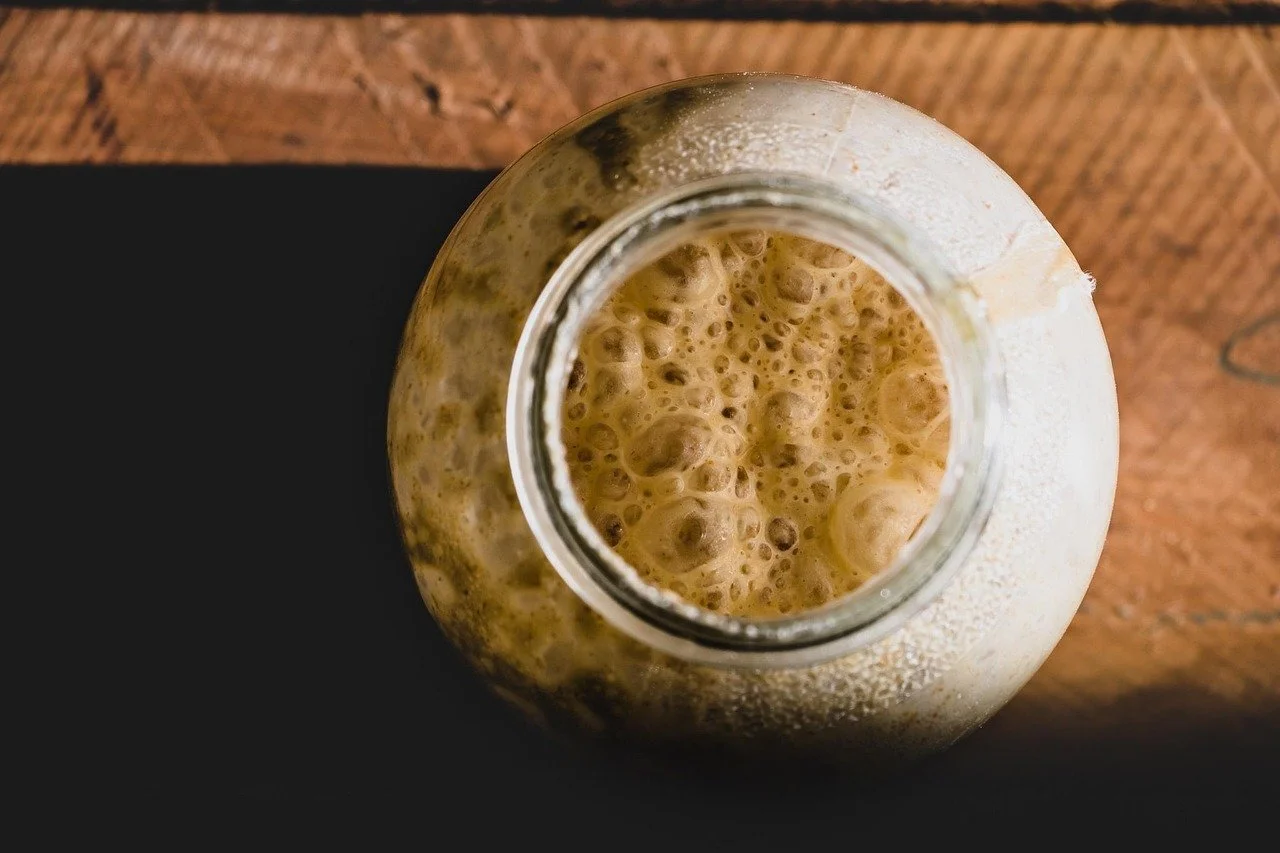
Microbial Ecology: The Lifecycle of Your Starter (And Why It Smells)
When you mix flour and water for the first time, you are not just making dough; you are terraforming a new world. You are initiating a biological sequence known as Ecological Succession. This process is violent, chaotic, and predictable. It involves a war for resources, a "Great Extinction" event, and finally, the establishment of a stable civilization.