
What Is Crumb Structure?
Crumb Structure refers to the pattern of holes (alveoli) inside the bread. It is the primary diagnostic tool for a baker. A "tight" crumb with small, even holes often indicates lower hydration or over-handling. An "open" crumb with large, irregular holes indicates high hydration and gentle fermentation.
What Is Wild Yeast?
Wild Yeast refers to the diverse populations of yeast species found naturally on the husks of grain, in the air, and on the skin of fruits, which are "captured" and cultivated in a sourdough starter.
What Is Lactic Acid?
Lactic acid is an organic acid produced by Lactic Acid Bacteria (LAB) during the fermentation of carbohydrates. It is responsible for the mild, creamy, yogurt-like acidity in sourdough bread. It lowers the pH of the dough, activating enzymes and extending shelf-life by inhibiting mould growth.

What Is Scoring?
Scoring is the act of cutting the surface of the proofed dough with a sharp blade (lame) immediately before baking. While often decorative, its primary function is mechanical: it creates a weak point for steam to escape.
What Is Stone Ground Flour?
Stone Ground Flour is milled by crushing grain between two stones. Unlike modern roller milling, which efficiently separates the bran and germ from the endosperm, stone milling crushes the entire berry together. Even if sifted later, the oils from the nutrient-rich germ are rubbed into the flour.

What Is Inoculation Rate?
Inoculation Rate is the percentage of starter added to a dough relative to the total flour weight. For example, adding 200g of starter to 1000g of flour is a 20% inoculation. This variable acts as the "accelerator pedal" for fermentation.
What Is Amylase?
Amylase is an enzyme naturally present in flour (and saliva) that acts as a biological catalyst. Its primary function is to break down complex starches (polysaccharides) into simple sugars (maltose and glucose).
What Is Oven Spring?
Oven Spring is the rapid expansion of the dough that occurs during the first 10–12 minutes of baking. It is caused by the sudden thermal expansion of gases (CO₂) and the evaporation of water into steam within the dough. It stops once the crust hardens (sets) or the internal temperature kills the yeast (approx. 60°C).
What Is GAD (Glutamate Decarboxylase)?
GAD (Glutamate Decarboxylase) is an enzyme produced by certain strains of Lactic Acid Bacteria (such as L. brevis) within a sourdough starter. It facilitates the conversion of glutamate into GABA (Gamma-aminobutyric acid), a neurotransmitter associated with reducing anxiety and stress.
What Is Gluten?
Gluten is a composite protein formed when two smaller proteins found in wheat—gliadin and glutenin—bond together in the presence of water and agitation.
What Is Bulk Fermentation?
Bulk Fermentation is the first rise of the dough, occurring after the starter is mixed in and before the dough is divided and shaped. It is named "bulk" because the entire batch of dough ferments as one mass.

What Is Leaven vs. Starter?
While the terms are often used interchangeably, a "Starter" (or Mother) is the perpetual culture you maintain in a small jar, fed daily to keep it alive. A "Leaven" (or Levain) is an offshoot of that starter.
What Is Phytic Acid?
Phytic acid is a natural substance found in plant seeds, nuts, and grains, and serves as the plant's principal storage form of phosphorus. In human nutrition, it is often termed an "anti-nutrient" because it acts as a strong chelator.
What Is Ash Content?
Ash Content is a proxy measurement for the amount of bran and germ present in the flour, with high ash content indicating a flour rich in minerals like iron, zinc, magnesium, and manganese.
Water Activity (Aw): The Secret to Sourdough's Shelf Life
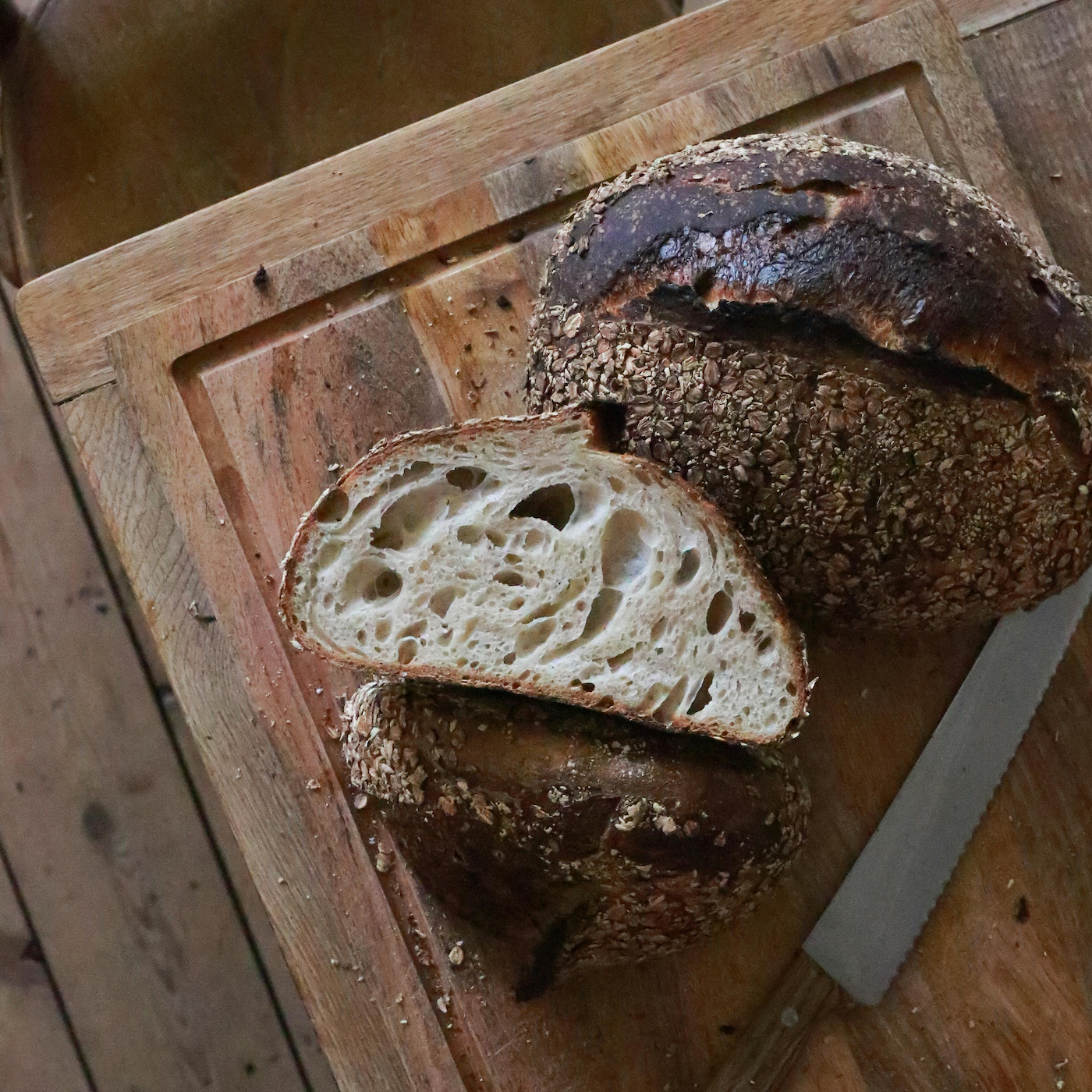
If you leave a slice of supermarket white bread on the counter, it will turn into a brick in 24 hours. If you leave it in a bag, it will grow blue fuzz in 3 days. But a loaf of sourdough, sitting cut-side down on a wooden board, behaves differently. It doesn't mould. It doesn't dry out instantly. It simply... ages.
Salt: The Osmotic Brake
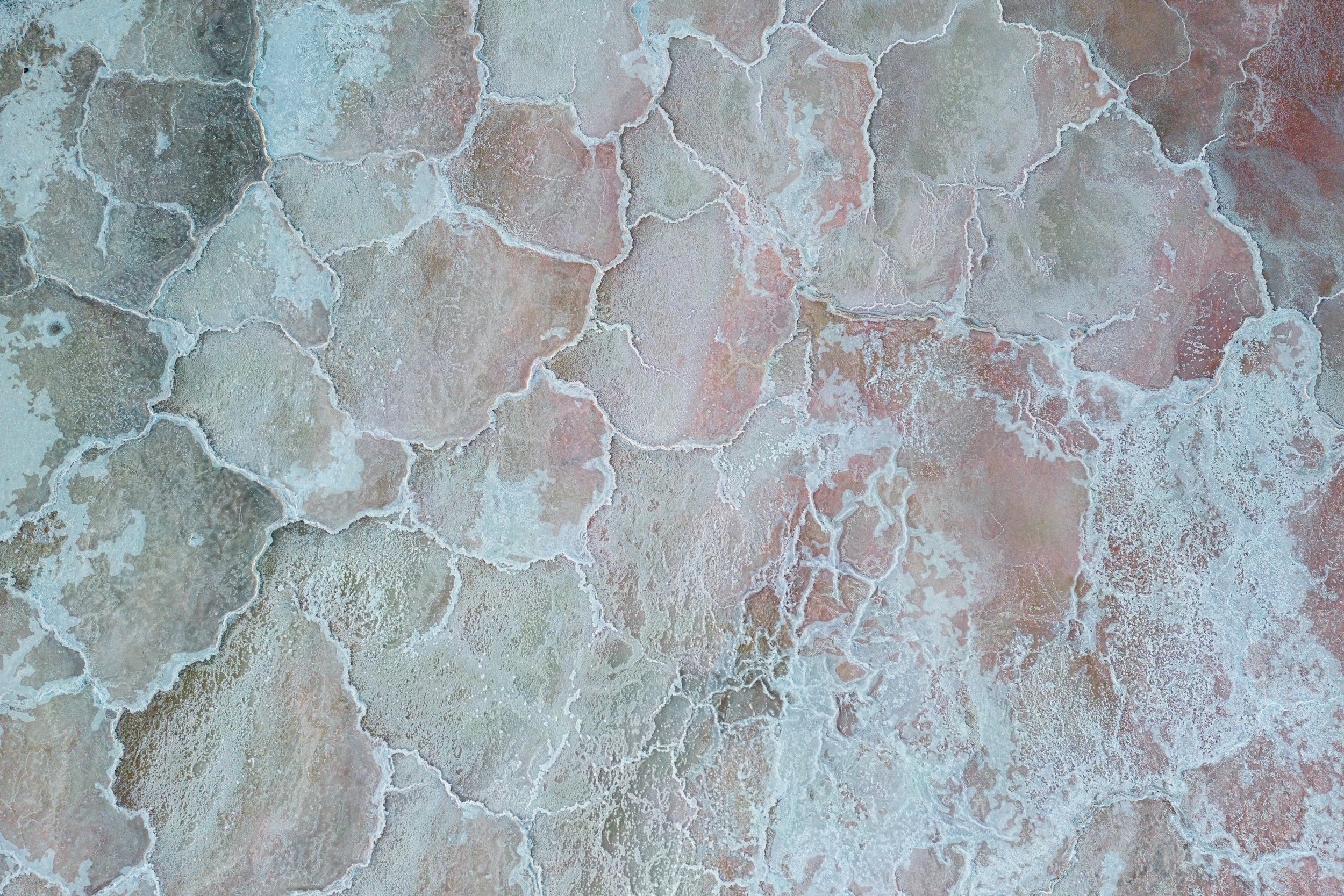
In the culinary world, salt is a seasoning. It makes food taste "more like itself." In the biological world of sourdough, salt is a weapon. It is the primary control mechanism you have to regulate the speed, strength, and safety of your fermentation.
What is Autolyse?
Autolyse is a baking technique that involves mixing flour and water and allowing them to rest, to activate enzymes to break down starch and protein, and to hydrate flour.
Ghost Probiotics: Why Dead Bacteria Still Talk
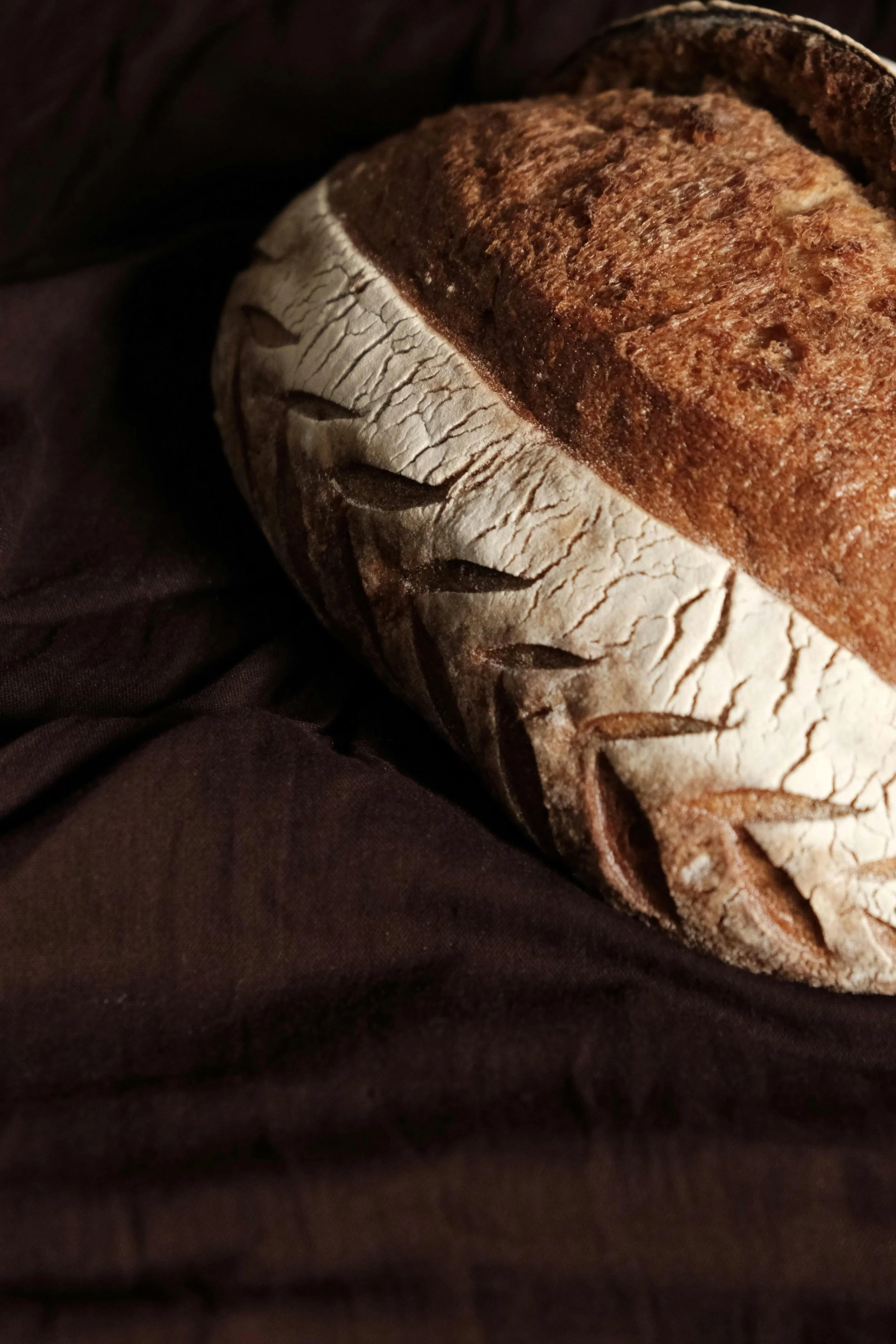
If you view probiotics solely as "live microorganisms," then sourdough is a barren wasteland. It is sterile. But emerging research into the gut-brain axis suggests something profound: bacteria do not need to be alive to speak to your body.

The Temperature Switch: Baking for GABA
The key molecule here is GABA (gamma-aminobutyric acid). It is the brain's primary inhibitory neurotransmitter, the biological "off switch" for stress and anxiety. And to maximise it in your bread, you may need to turn up the heat.
The Starter Invaders: Mold, Kahm, and Pink Streaks
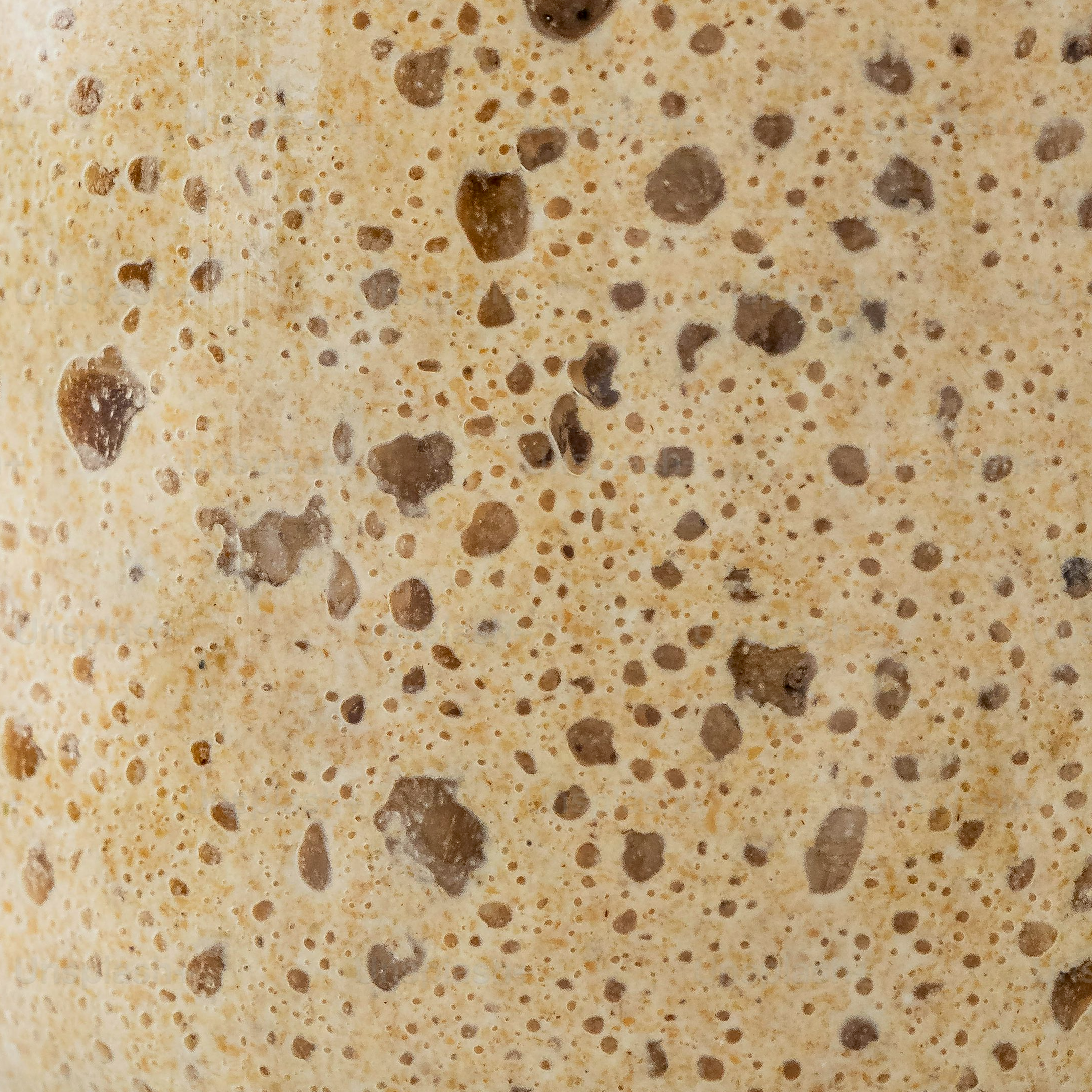
When you open your jar to find fuzzy islands, wrinkled skins, or neon streaks, it is a sign that the pact has been broken. The acid was not strong enough, or the invader was too resilient.