
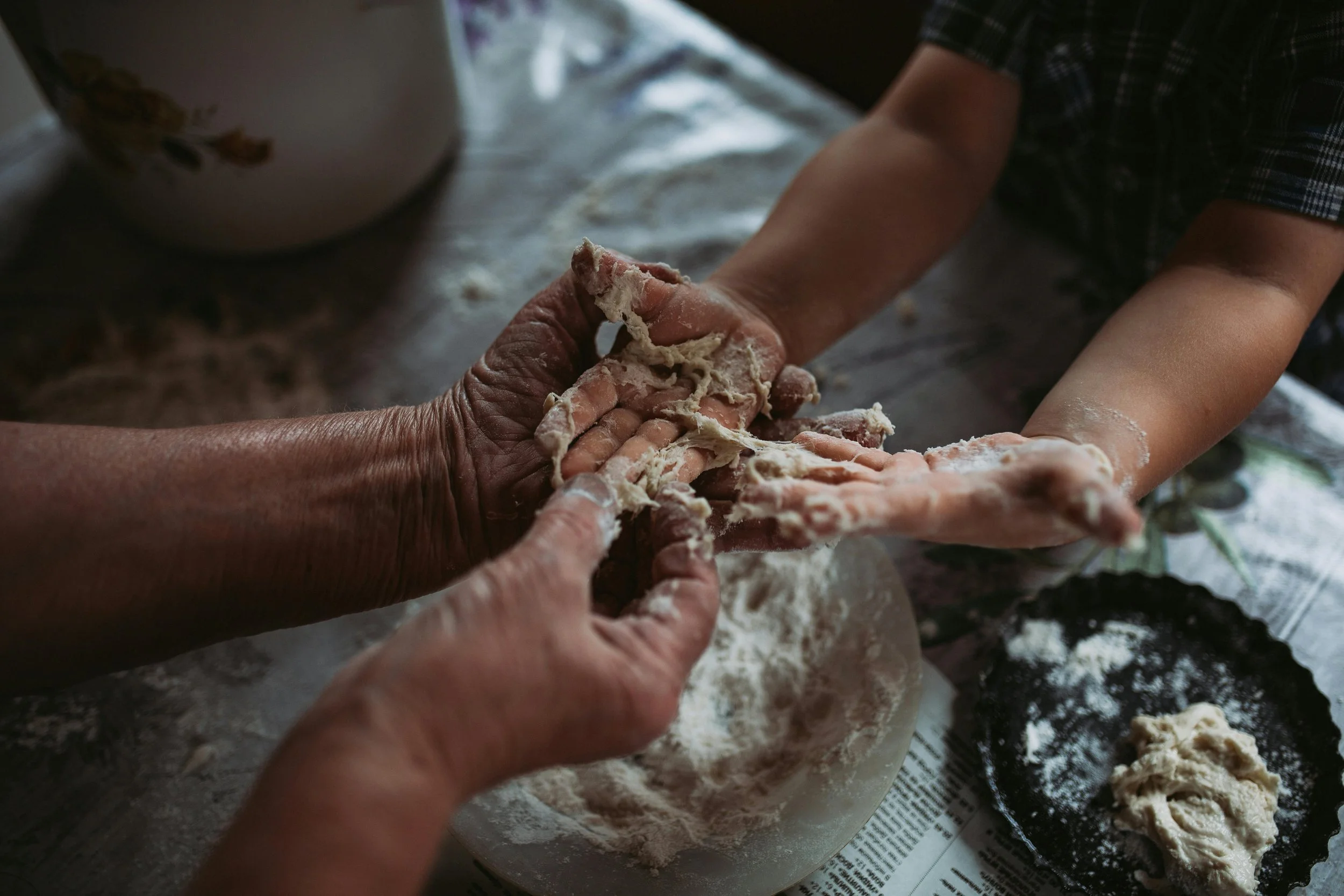
The Oxytocin Loop: Baking as Social Biology
When you break bread, is the feeling of connection purely emotional, or is it chemical? New research into Lactobacillus reuteri—the "Love Bug" sometimes found in sourdough—suggests these microbes may trigger the release of oxytocin, the "cuddle hormone," to encourage sharing and trust.
Explore the "Oxytocin Loop": the evolutionary theory that suggests baking isn't just feeding the body, but chemically engineering bonding.
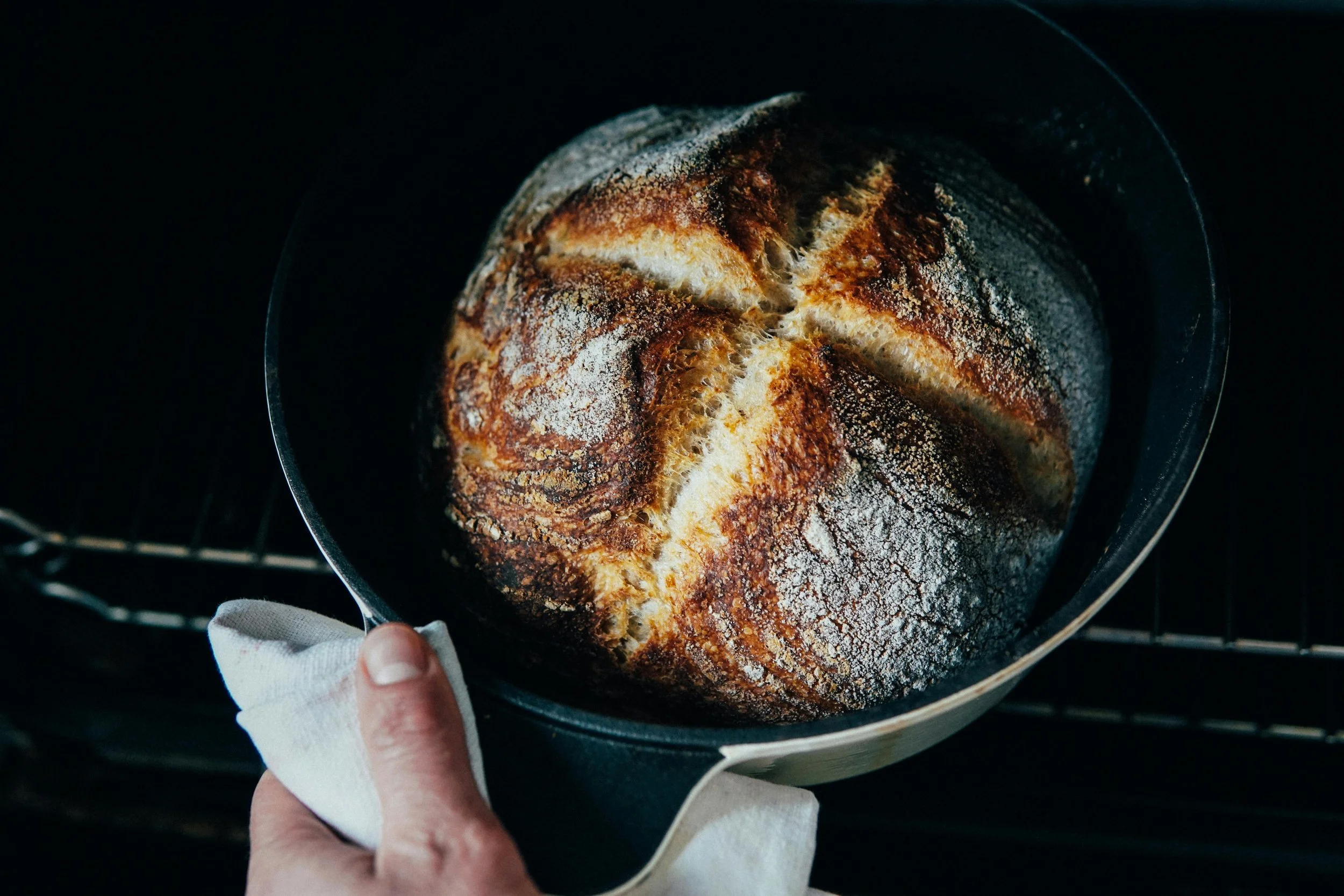
Using Steam To Unlock the Chemistry of the Crust
The secret ingredient in professional bread isn't just the flour or the starter; it is steam. Whether you use a Dutch oven, a pizza stone, or a tray of lava rocks, the goal is the same: to create a humid environment that fundamentally alters the chemistry of the crust, affecting everything from digestibility to flavour.
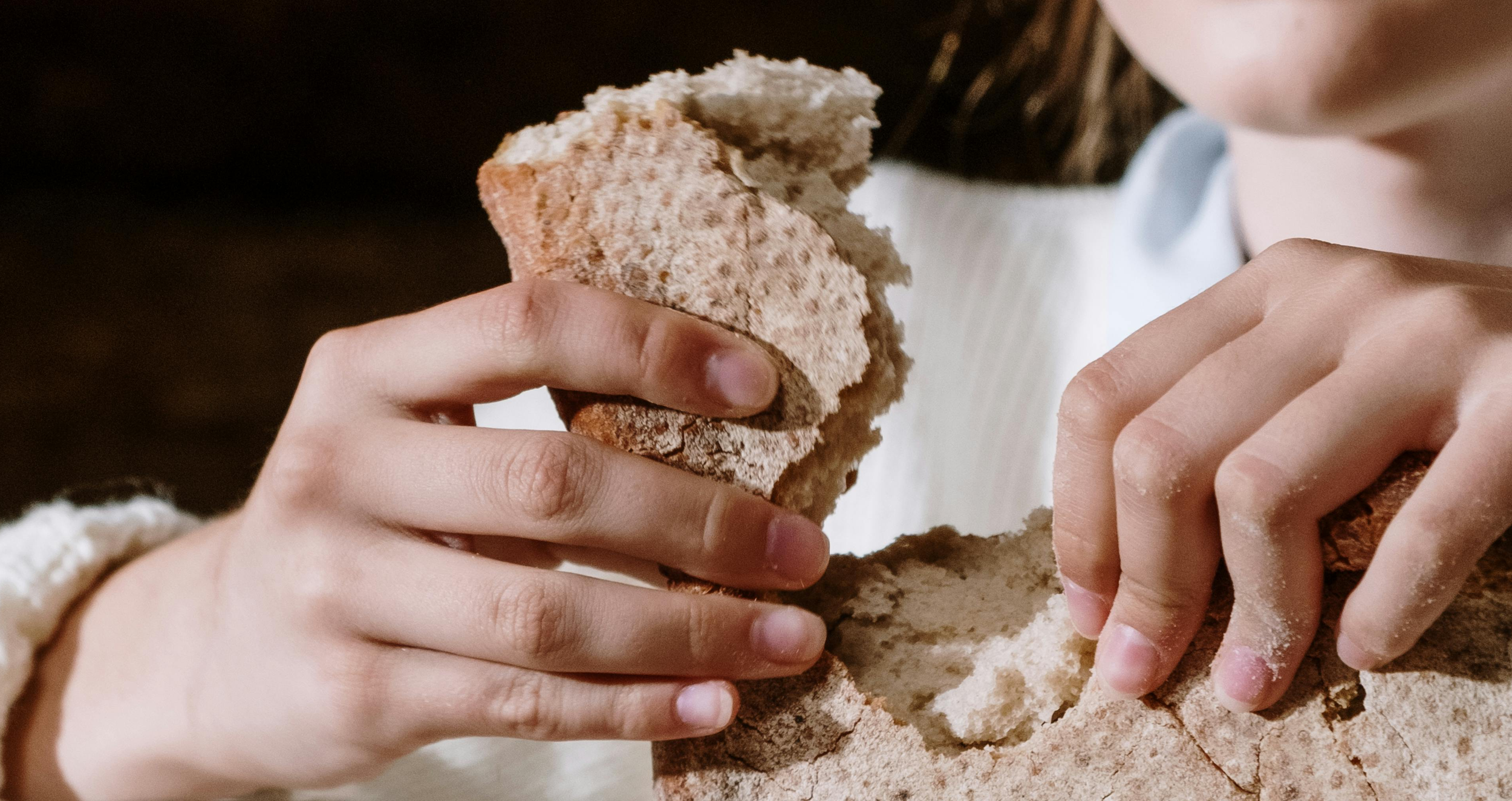
The Calorie Paradox in Sourdough: Why Not All Calories Are Created Equal
The "Calorie Paradox" of sourdough is that the energy listed on the label is not necessarily the energy your body absorbs. By the time the wild yeast and lactic acid bacteria have finished with the flour, they have fundamentally altered its structure. They have changed the math.
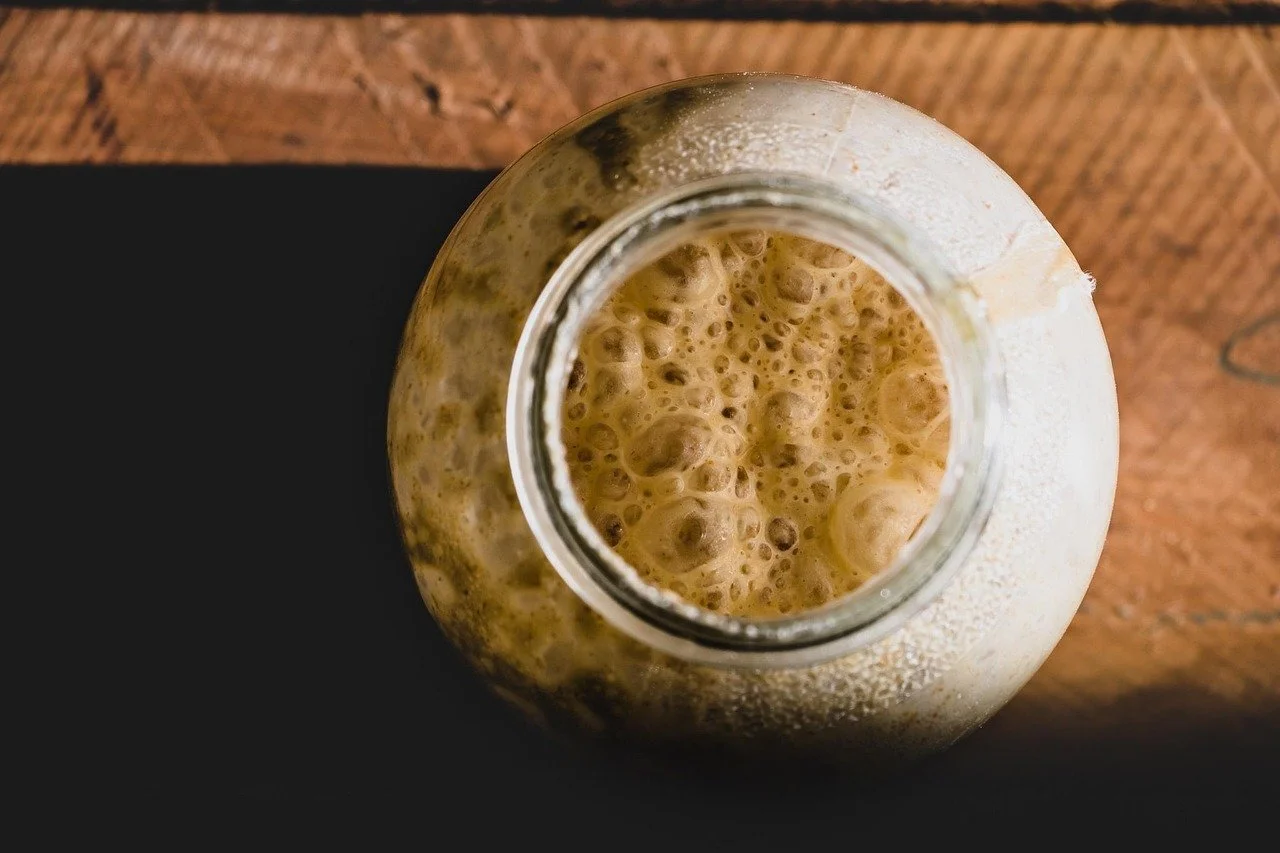
Microbial Ecology: The Lifecycle of Your Starter (And Why It Smells)
When you mix flour and water for the first time, you are not just making dough; you are terraforming a new world. You are initiating a biological sequence known as Ecological Succession. This process is violent, chaotic, and predictable. It involves a war for resources, a "Great Extinction" event, and finally, the establishment of a stable civilization.
The Glucose Curve: Sourdough and Diabetes
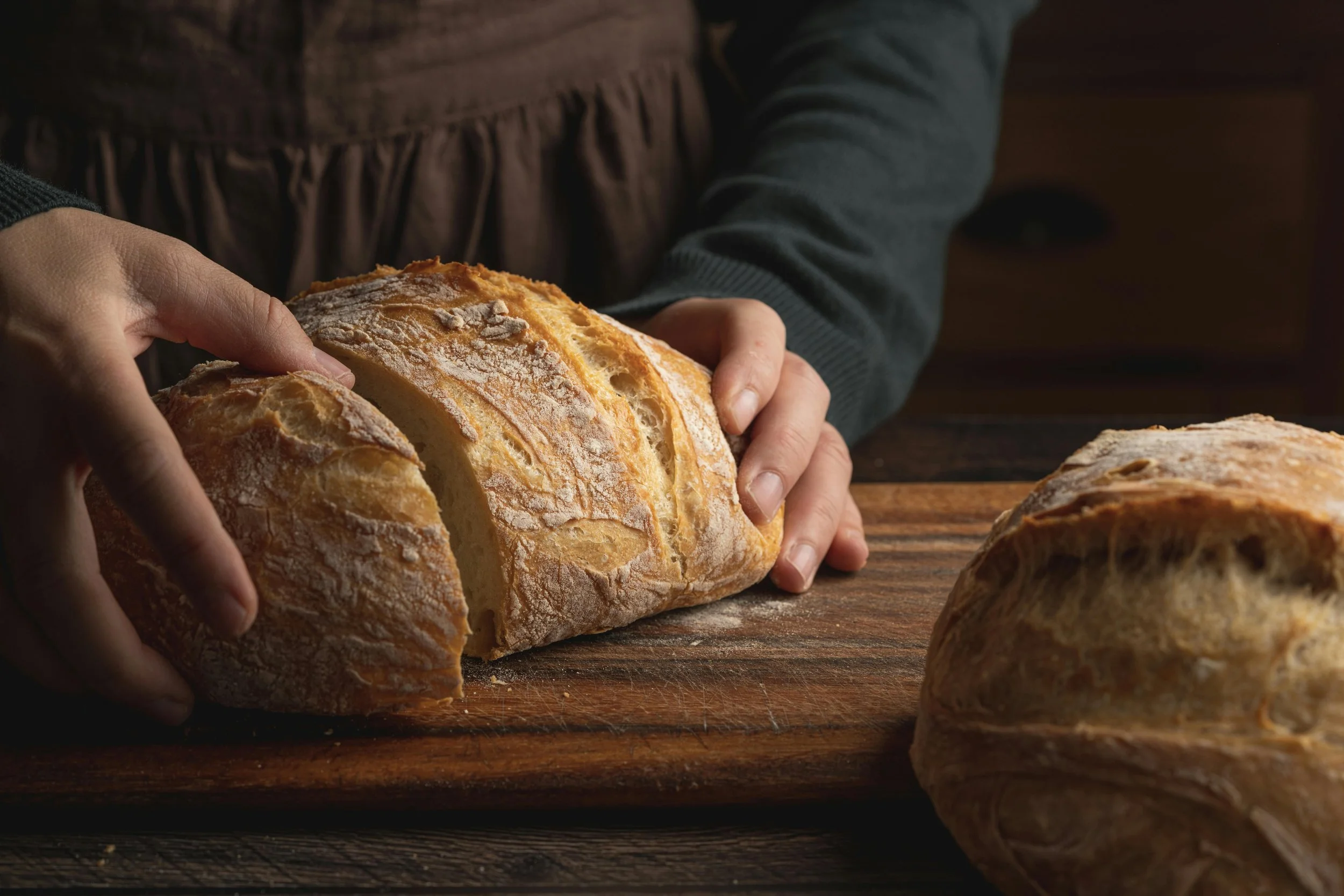
Sourdough offers a metabolic loophole. By enlisting microbes to pre-digest our grain and acidify the dough, we can enjoy the ritual of bread without the metabolic penalty of a sugar crash. It is not just about lower carbs; it is about slower chemistry.
The Handshake: The Baker's Skin Microbiome
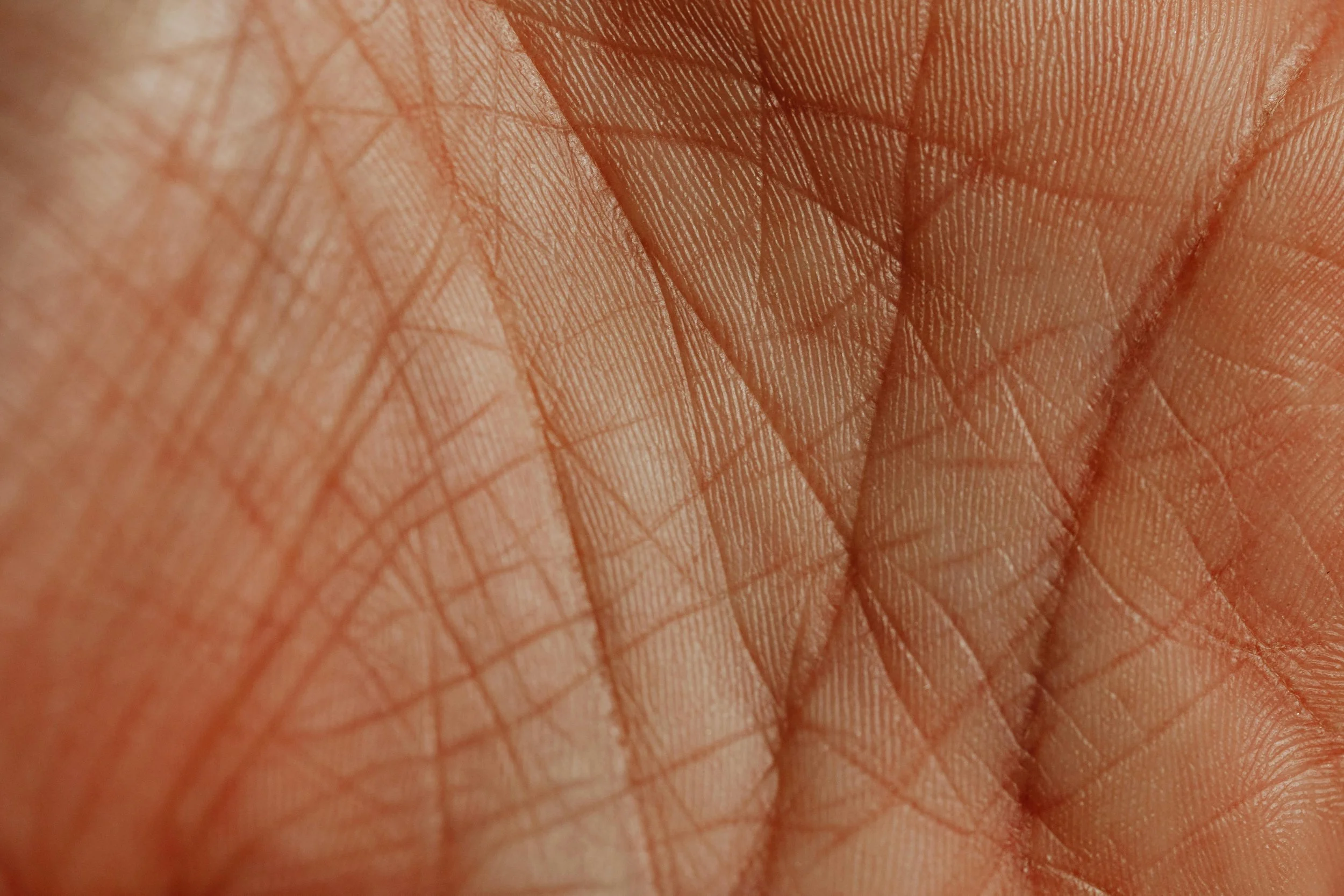
Your hands are not sterile tools. They are a thriving ecosystem, a landscape of ridges and valleys populated by millions of bacterial residents. When you knead a loaf, you are not just shaping structure; you are performing a biological handshake. You are introducing your own microbial signature to the dough.
The "Sourfaux" Guide: How to Spot Sourdough Fakes
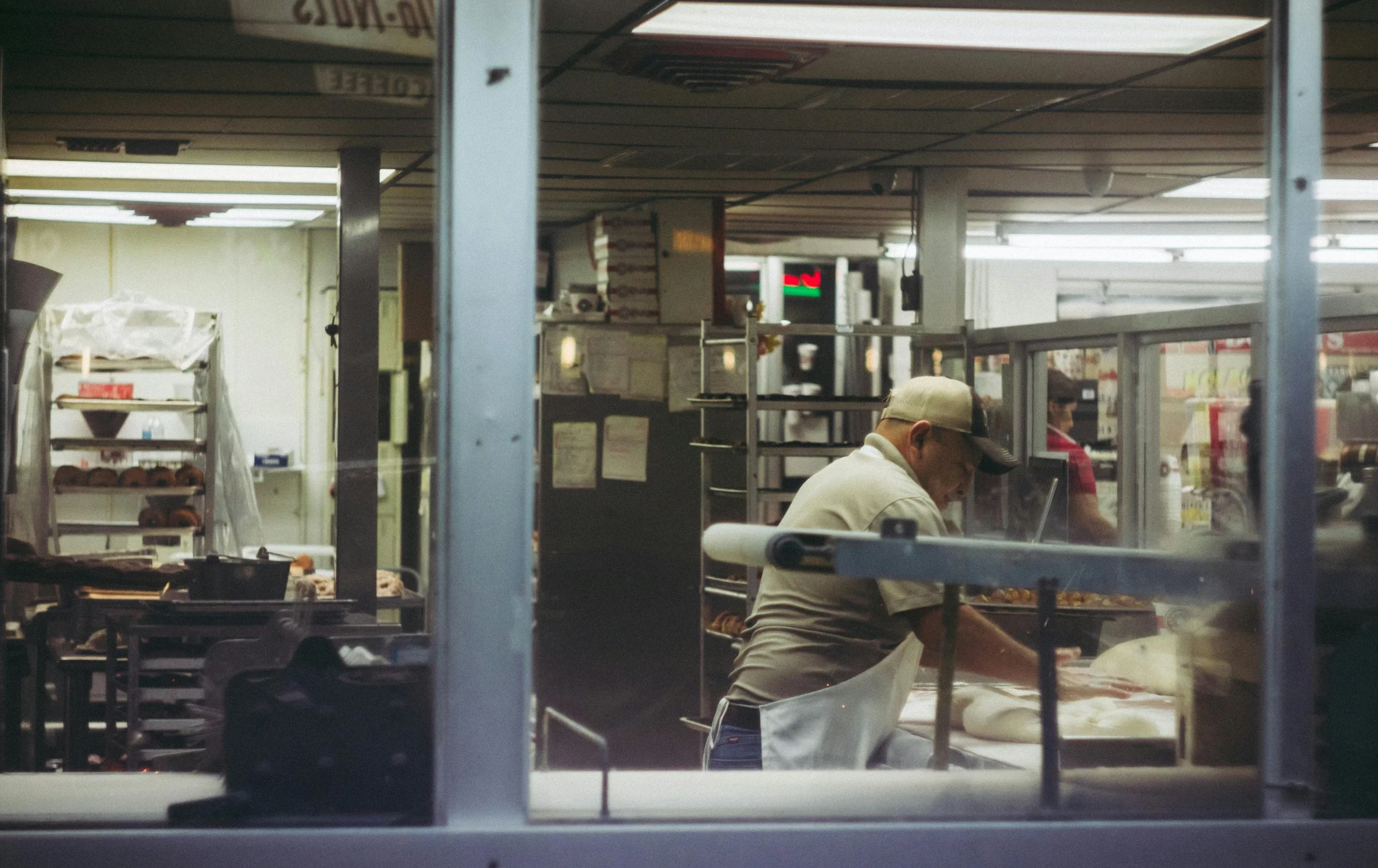
True sourdough is the result of a biological pact: a slow fermentation of flour and water by wild yeast and lactic acid bacteria. This process takes time—often 24 to 48 hours—to break down gluten, neutralise phytates, and develop complex organic acids.
"Sourfaux," a term coined by the Real Bread Campaign [1], refers to bread that mimics the taste of sourdough without the time or the biological benefits [1]. It is fast food dressed up as slow food.
The Sourdough Ash Ratio
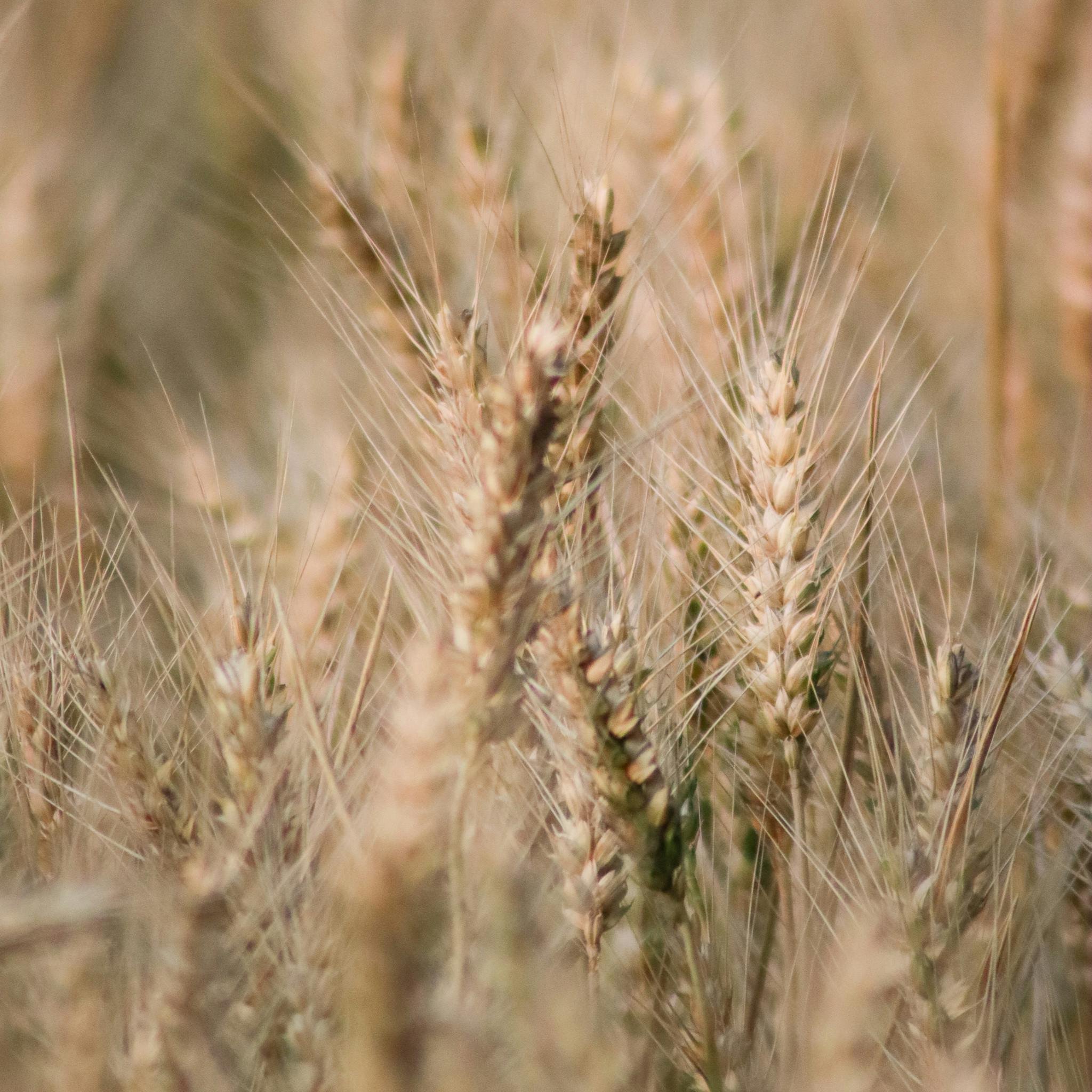
When you feed your starter exclusively with white bread flour, you are effectively putting your microbial colony on a diet of pure sugar while denying them the vitamins they need to metabolise it. You are creating a starter that is energy-rich but nutrient-poor.
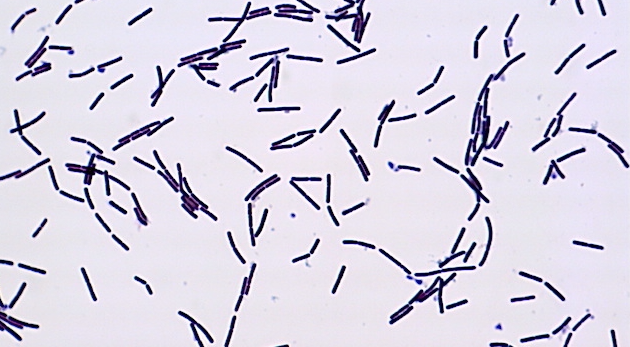
Meet Your Baker: F. sanfranciscensis.
Meet the rod-shaped bacterium with a name that barely fits on a label: Fructilactobacillus sanfranciscensis. This organism is the engine of the sourdough ecosystem. And its history is stranger than you think.