

Red Fife: The Time Capsule
Red Fife is Canada's oldest wheat. Unlike modern "monoculture" wheat, Red Fife is a landrace, meaning there is significant genetic diversity within a single bag of flour. This diversity translates directly to the palate.
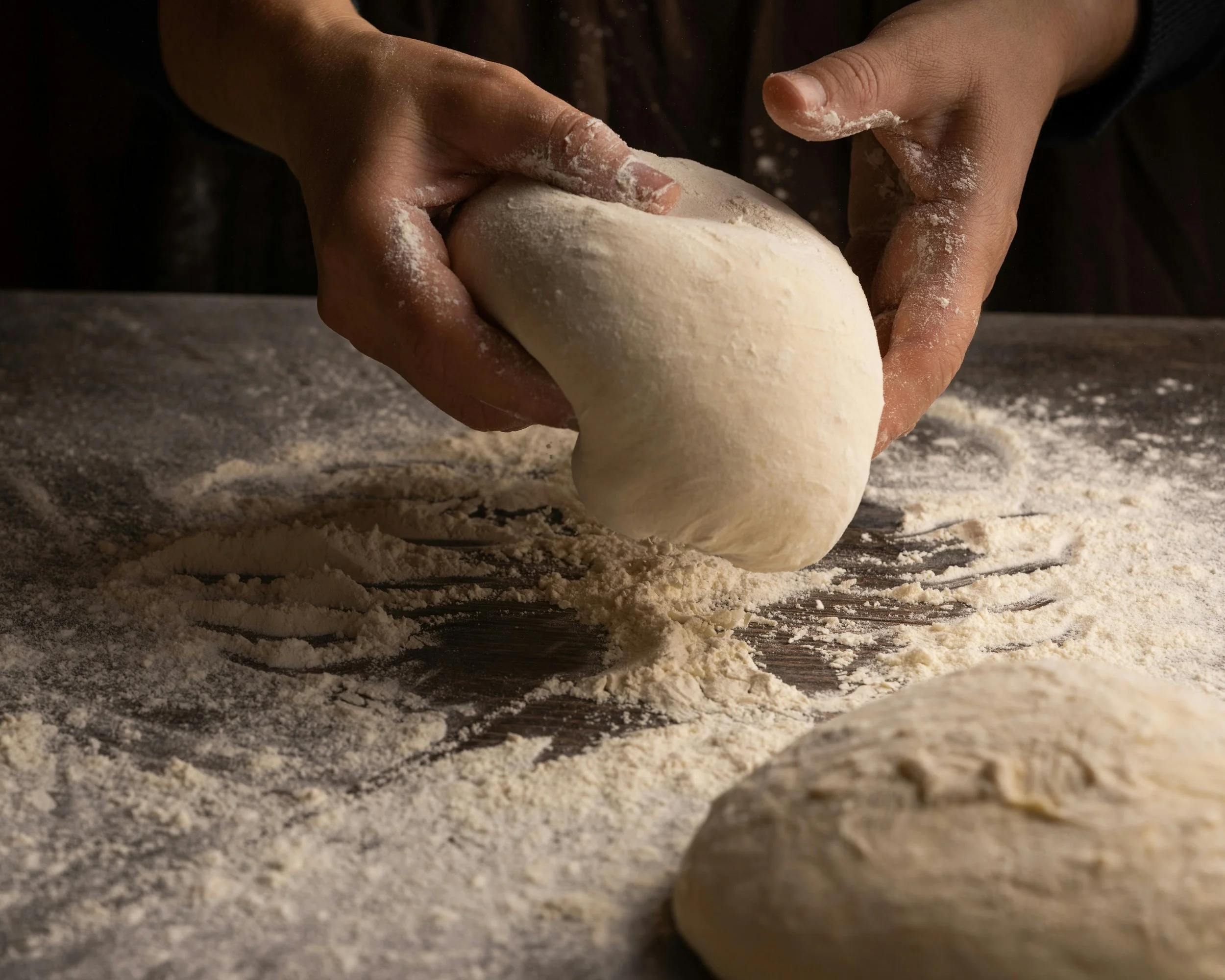
Enzymatic Shearing: How Protease Cuts Gluten (The Scissors)
When a baker talks about "strength," they are usually talking about elasticity—the ability of dough to snap back. This is the hallmark of commercial yeast bread. It is rubbery, tight, and resilient. But a sourdough baker looks for something else: Extensibility. The ability to stretch without tearing.
What Is A Lame?
A lame (pronounced "lahm") is a baker’s tool consisting of a double-edged razor blade mounted on a handle. It is used for "scoring"—slashing the top of the proofed dough just before baking. It is not merely aesthetic; it is a surgical intervention to control expansion.
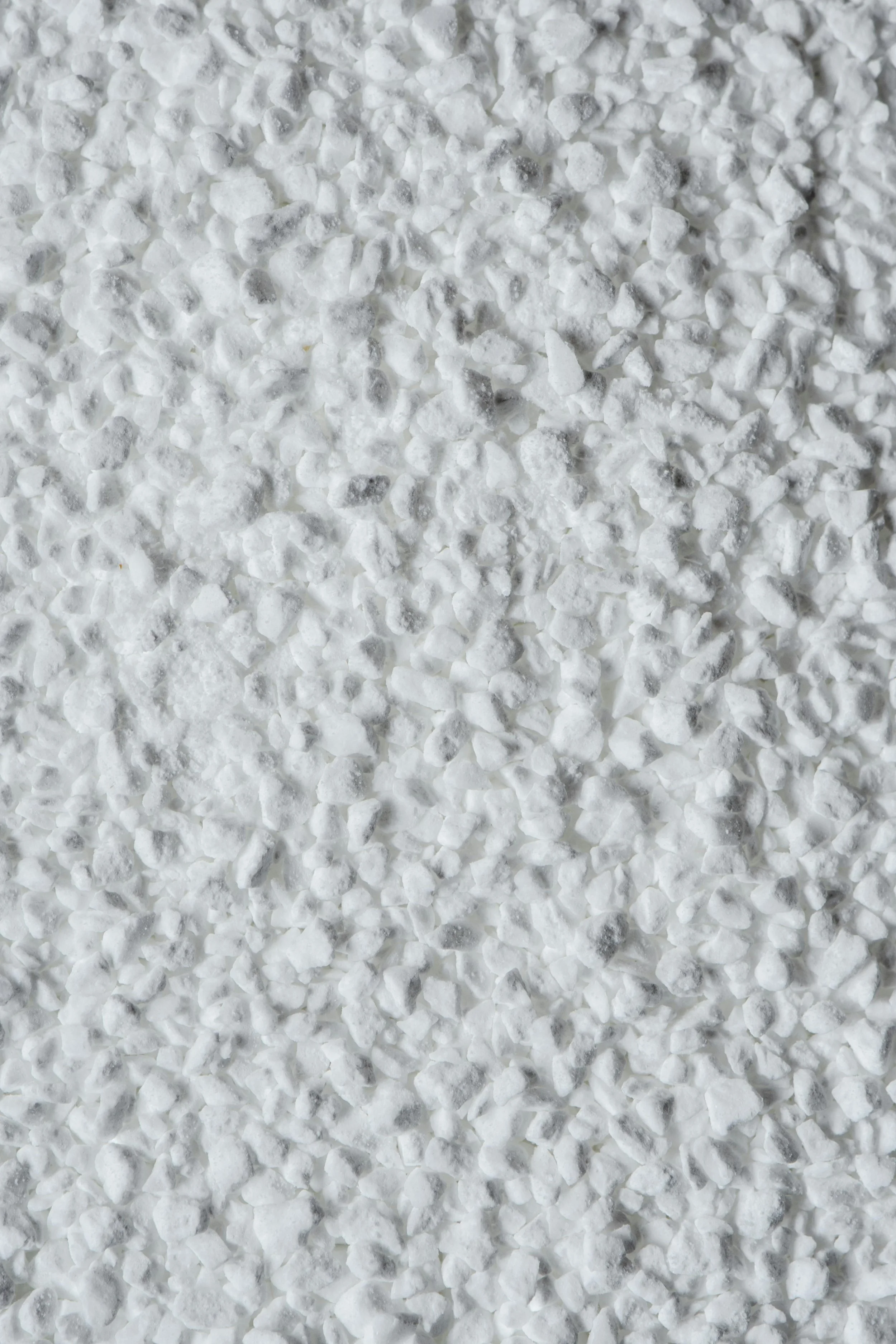
Sugar: The Metabolic Accelerant
Sugar is viewed by many purists as a "cheat." But biologically, it is simply high-octane fuel. While flour starch must be broken down by amylase before the yeast can eat it, sugar provides an immediate, ready-to-eat feast.
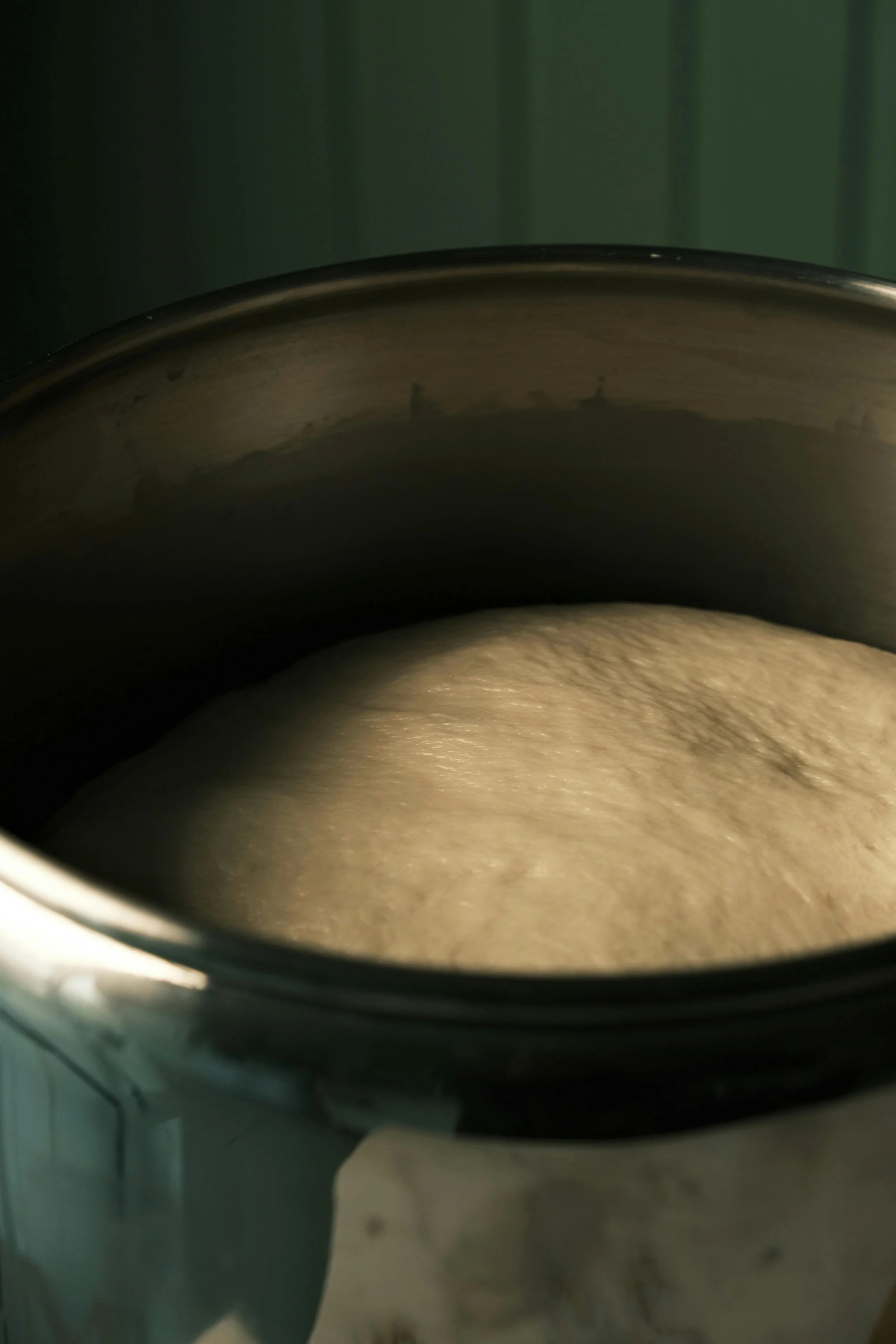
The Lectin Defense: Fermentation as a Chemical Shield
In the world of diet culture, lectins—specifically Wheat Germ Agglutinin (WGA) found in whole grains—have become a villain. They are accused of binding to the gut lining, causing "Leaky Gut," and triggering systemic inflammation.

What Is Retarding?
Phytic acid is a natural substance found in plant seeds, nuts, and grains, and serves as the plant's principal storage form of phosphorus. In human nutrition, it is often termed an "anti-nutrient" because it acts as a strong chelator.
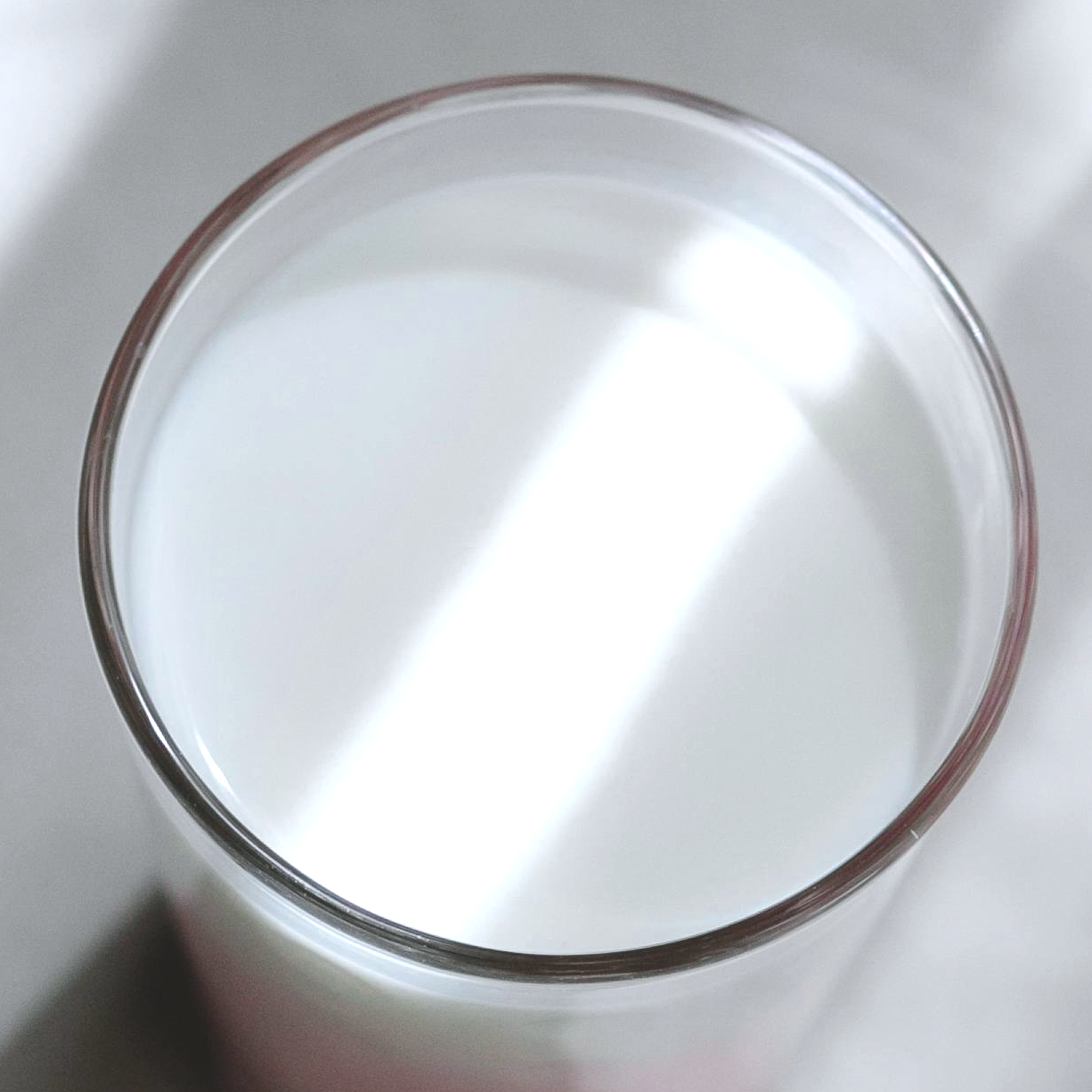
Milk: The Chemical Softener
Water is neutral. Milk is complex. By swapping water for milk (as in Shokupan or Sandwich Bread), you introduce three new variables: Fat, Protein (Casein), and Sugar (Lactose).

Post-Antibiotic Recovery: Rebuilding the Microbiome with Fibre Diversity
A course of broad-spectrum antibiotics is like a forest fire. It burns down the infection, but it also incinerates the "old growth forest" of your beneficial microbiome. Species like Bifidobacterium and Lactobacillus are often collateral damage.
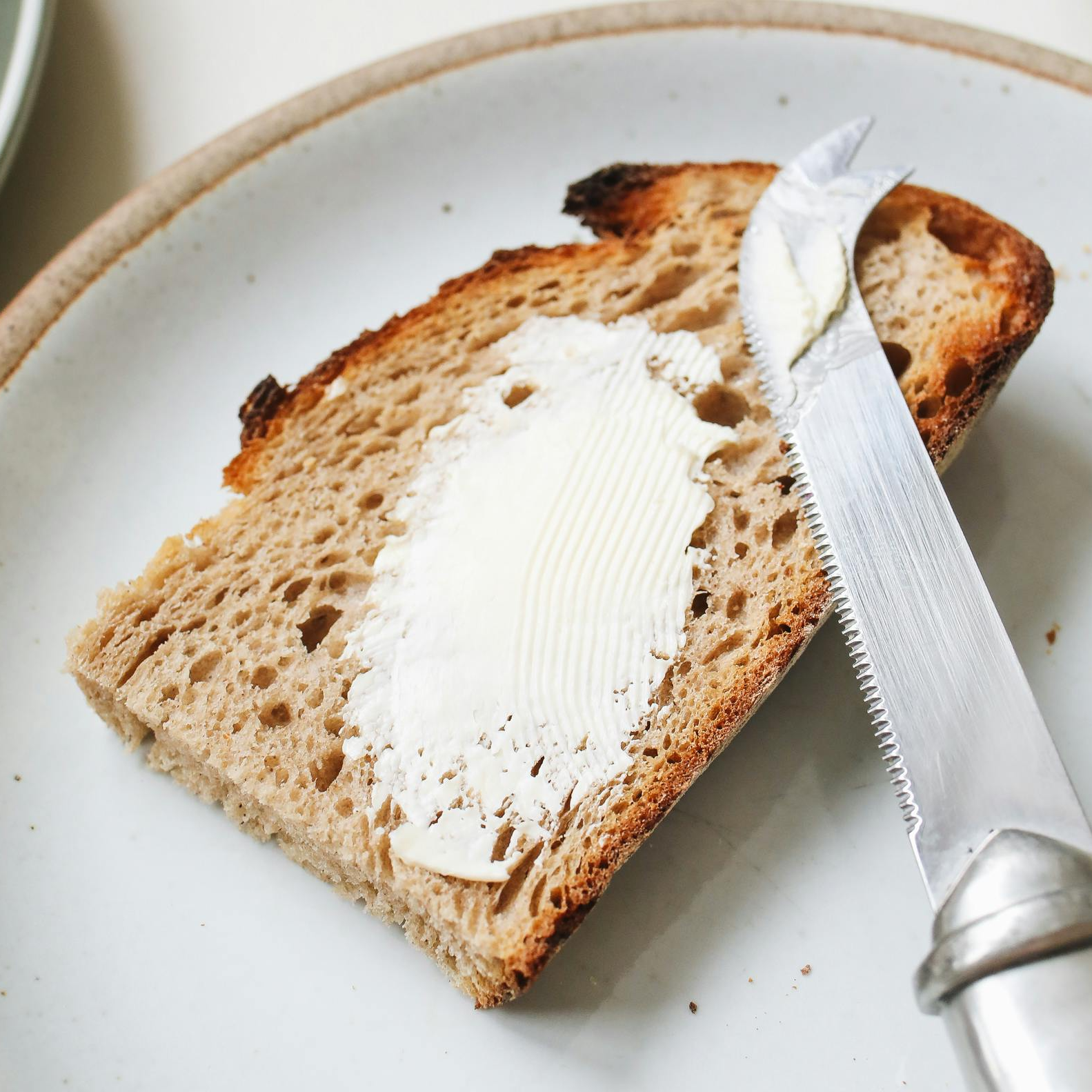
The Retrograde Method: Freezing and Toasting for Maximum Prebiotics
This guide details The Retrograde Method—a specific protocol of cooling, freezing, and toasting designed to manipulate starch crystals. It turns a standard slice of sourdough into a high-performance delivery system for Resistant Starch (Type 3).
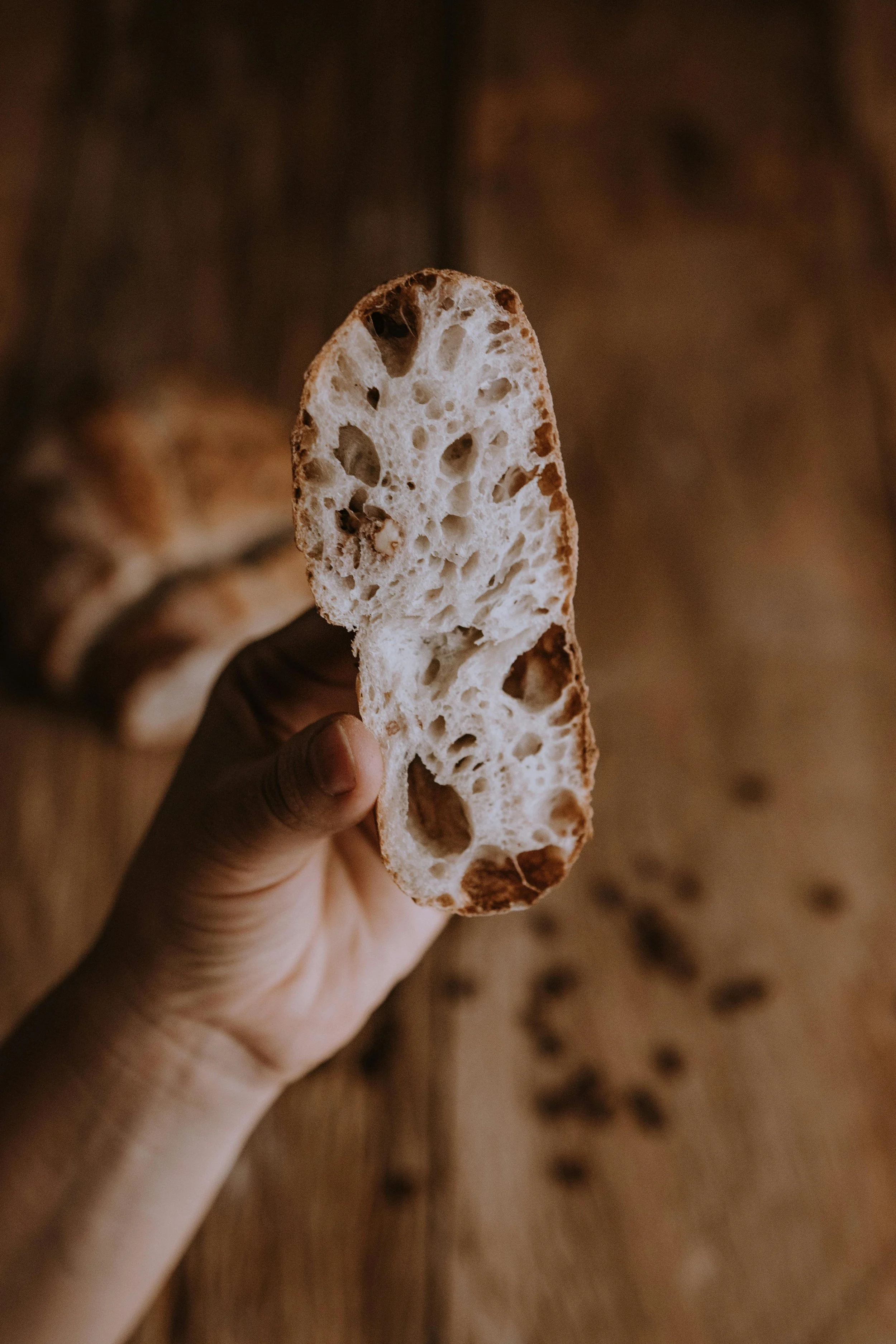
Gas Retention: Why Weak Gluten Networks Leak CO2
You can have the most active starter in the world, pumping out massive amounts of Carbon Dioxide (CO2). But if your dough cannot trap that gas, your bread will be a brick. This is the principle of Gas Retention.

What Is The Float Test?
The Float Test is a common method used to determine if a sourdough starter or leaven is ready to use. It involves dropping a teaspoon of starter into a glass of water; if it floats, it is deemed "ripe."
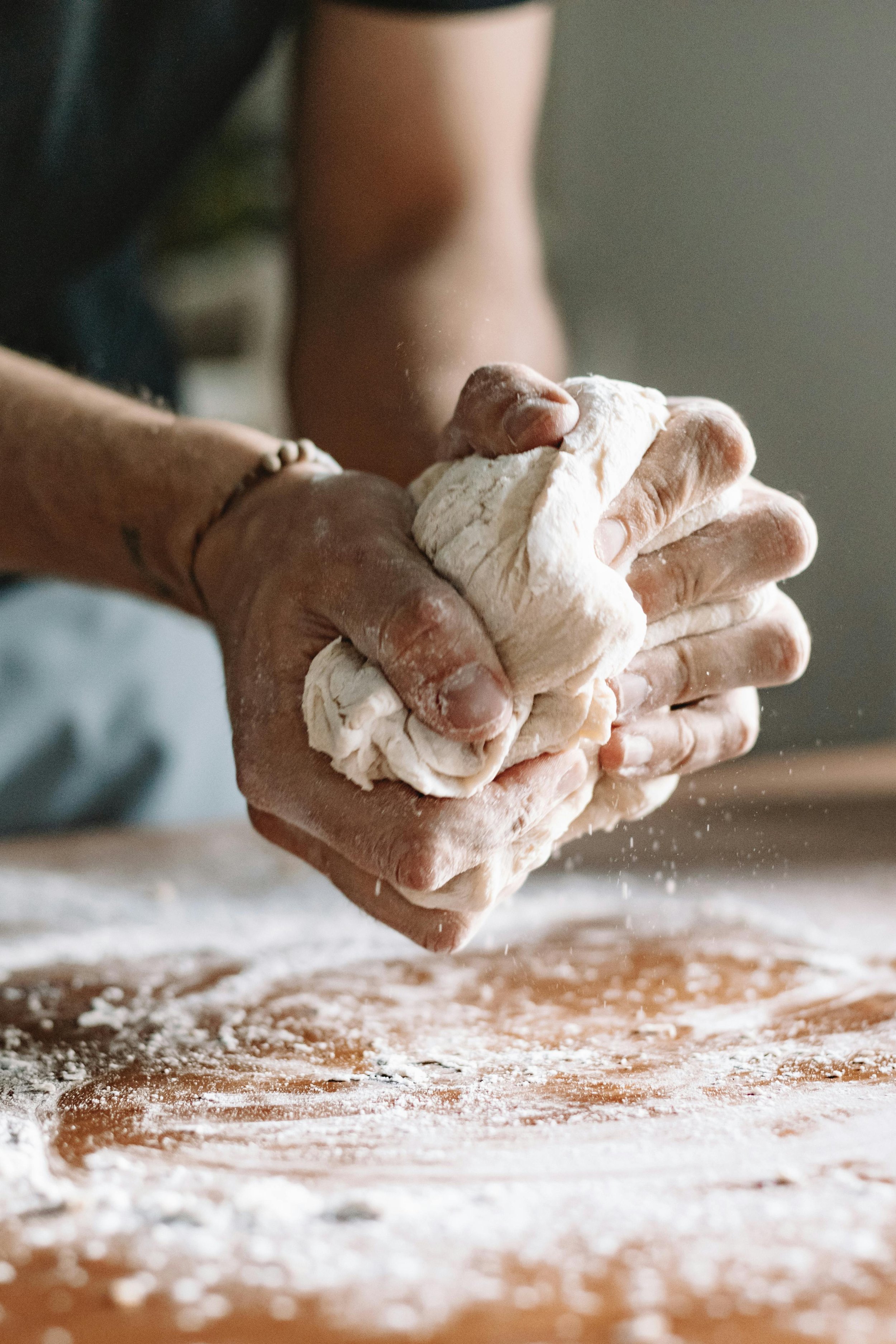
Stress Baking Psychology: Mindfulness and Tactile Therapy
"Stress baking" is often dismissed as a quirky coping mechanism or procrastination. But psychologists and occupational therapists view it differently. They see it as a legitimate form of sensory regulation.
Thermal Death Curves: What Happens at 60°C?
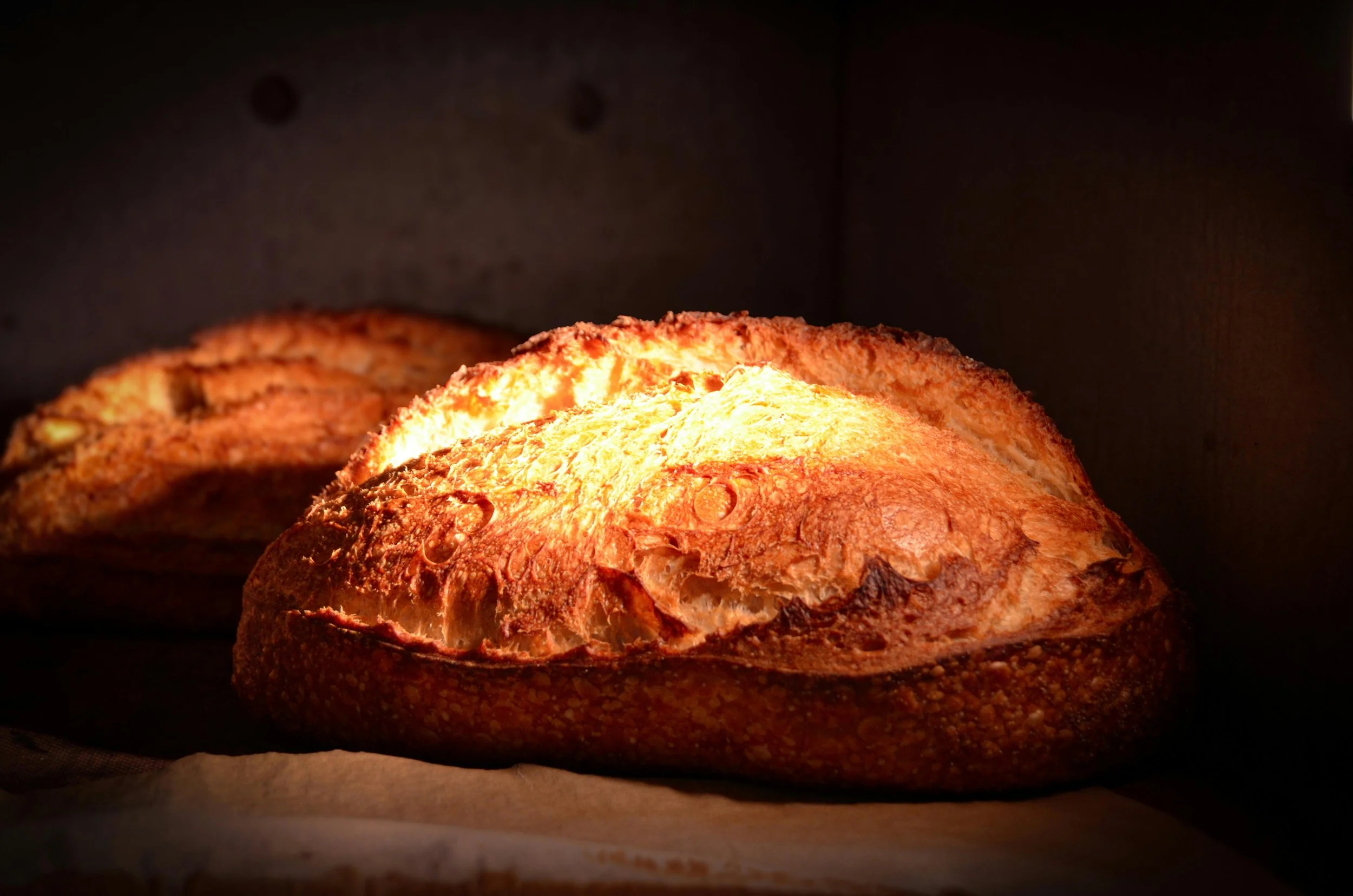
When you slide a loaf into a 250°C oven, you are subjecting the microbial city inside to a rapid climate change. For the first few minutes, the yeast and bacteria actually work faster (the "Oven Spring"). But as the internal temperature rises, they hit a wall. This is the Thermal Death Curve.
Troubleshoot: The "Fool's Crumb"
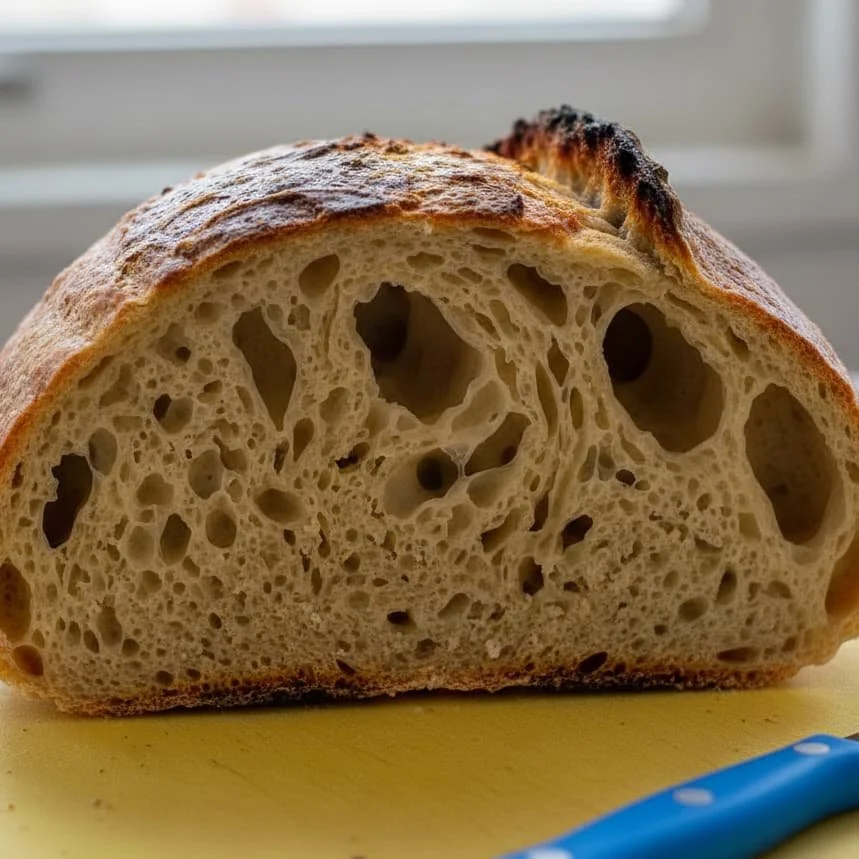
In the pursuit of the "Instagram Crumb"—that wild, open lattice of air pockets—many bakers fall into a specific trap. You slice the loaf and see massive, cavernous holes. You celebrate. But when you eat it, the bread is heavy, chewy, and dense.

Bioavailability: How Acidity Neutralises Phytic Acid to Unlock Iron & Zinc
In raw grains, minerals are locked away behind a chemical defence mechanism designed to prevent digestion. This lock is called Phytic Acid (or phytate). Unless you have the key to open it, you are likely excreting the vast majority of the nutrition you think you are eating.
Resistant Starch 101: Turning Bread Into A Prebiotic
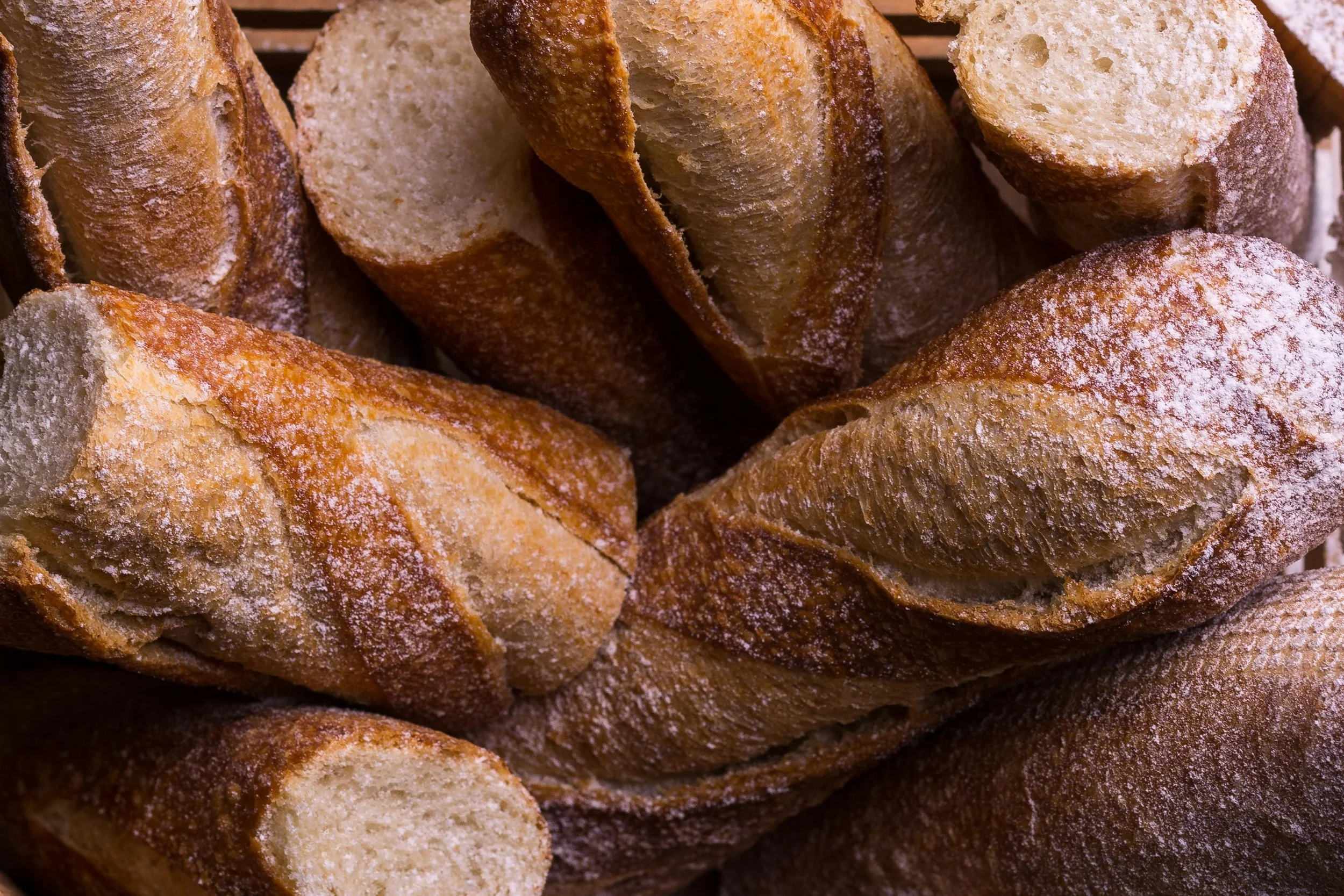
Depending on how it is cooked, cooled, and fermented, starch can behave like a sugar, or it can behave like a fibre. It can spike your insulin, or it can feed your gut microbiome.

The Bloat Analysis: Why Pizza Bloats You but Sourdough Doesn't
It is a common scenario: You eat two slices of artisan sourdough toast for breakfast and feel energised. That night, you eat two slices of pizza and feel like you have swallowed a bowling ball. The ‘bread’ ingredients are identical: Flour, water, salt, yeast.
Longevity Diets: Sourdough's Role in Blue Zones (Ikaria/Sardinia)
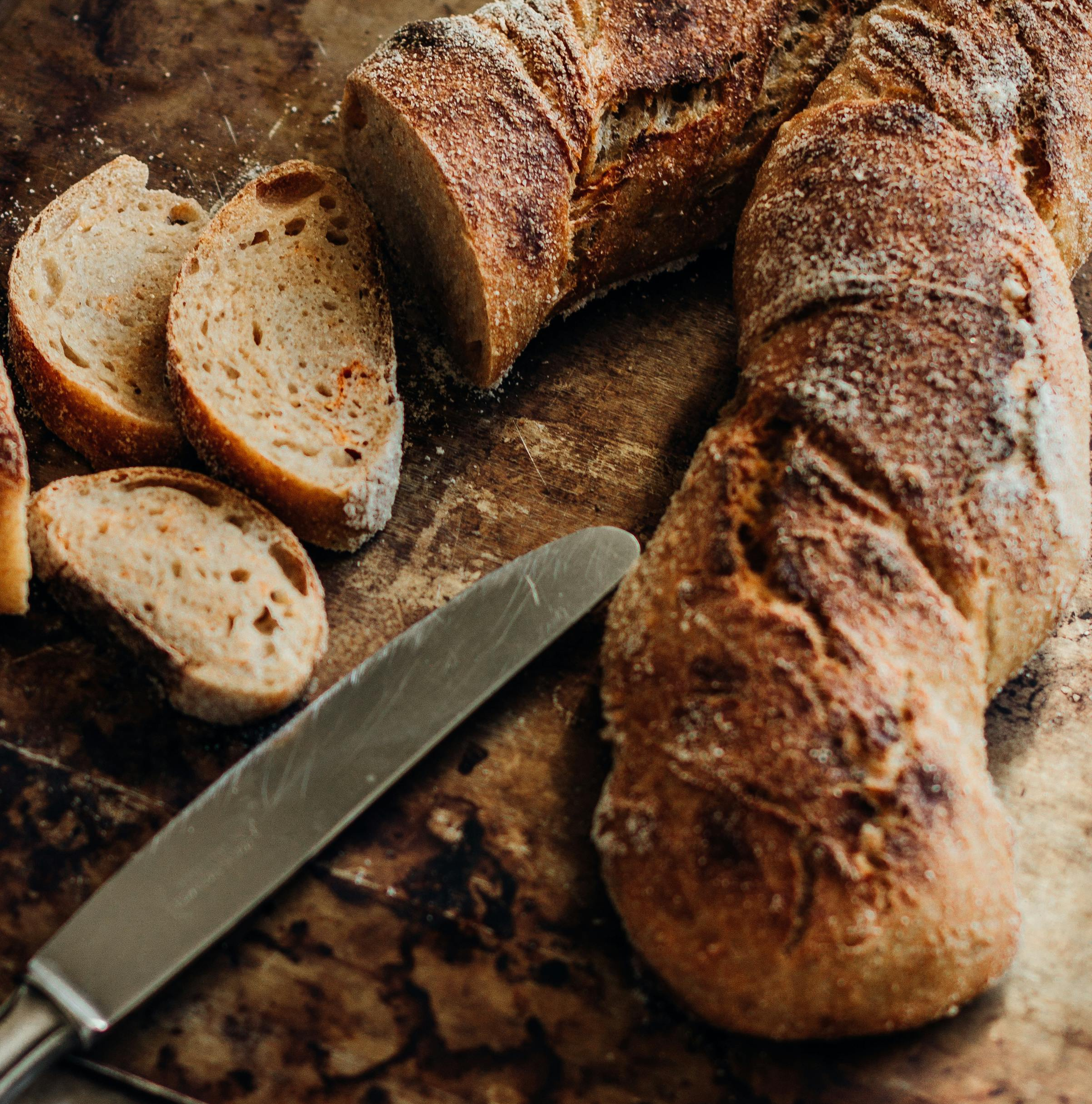
In these "Blue Zones" (regions with the highest concentration of centenarians), bread is not a treat; it is a staple. But it is not the bread you find in a supermarket. It is sourdough. And it is arguably one of the most important longevity foods on the planet.
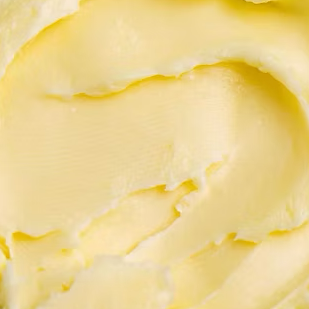
Butter: The Gluten Lubricant
Butter is the bridge between bread and pastry. In small amounts, it softens. In large amounts (like Brioche), it transforms the dough into a foam-like structure that is more air than wheat.
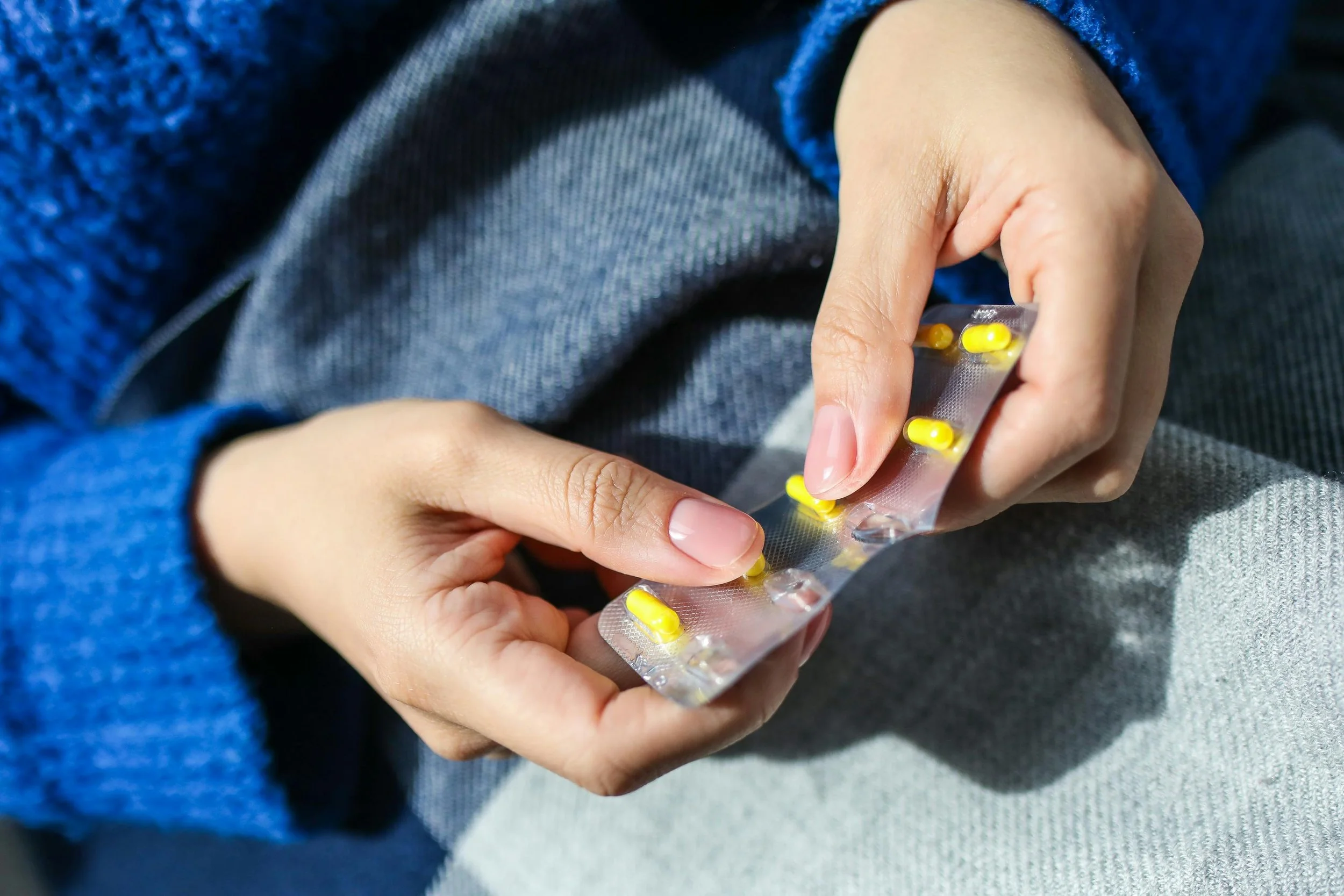
Fermented Foods vs. Pills: The Whole Food Matrix Argument
The wellness industry loves isolation. It takes a complex biological process, isolates a single "active ingredient," and sells it in a capsule. This reductionist approach has created a billion-dollar market for probiotic supplements.