
What Is Maltose?
Maltose is a disaccharide (simple sugar) produced when amylase enzymes break down the starch in flour. It is the primary fuel source for the sourdough ecosystem. Uniquely, the bacterium F. sanfranciscensis prefers maltose over glucose, giving it a competitive advantage in wheat dough.
The Ultimate Guide to Autolyse
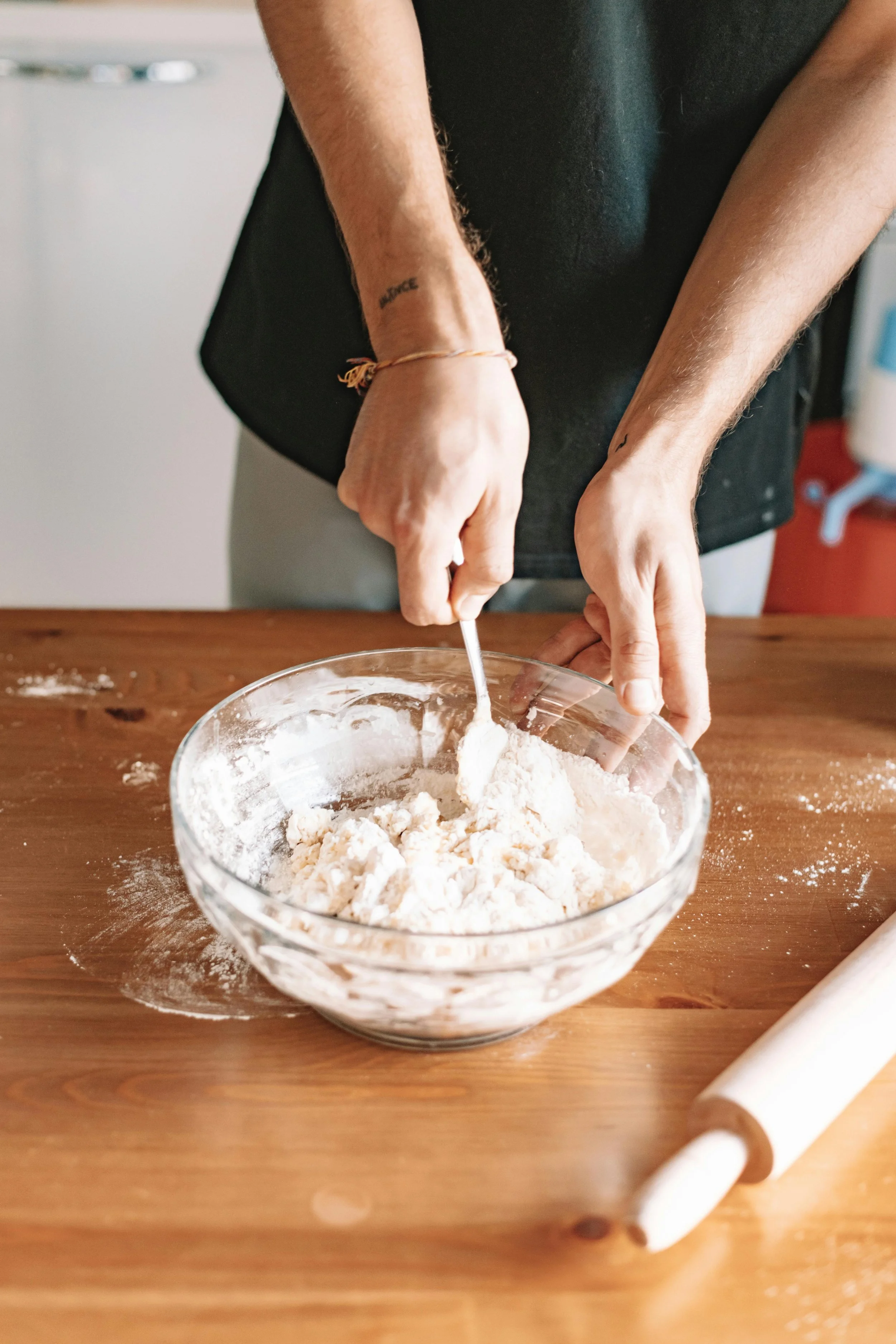
In the rush to get bread into the oven, many home bakers skip the first, most critical step of the process.
They mix everything at once—flour, water, starter, salt—and then wonder why their dough fights them. Why it tears when they stretch it. Why the crumb is tight. The missing variable is Autolyse.
What Is Protease?
Protease is a naturally occurring enzyme that breaks down proteins (proteolysis). In bread dough, protease degrades the gluten network over time.
Troubleshoot: Gummy Crumb
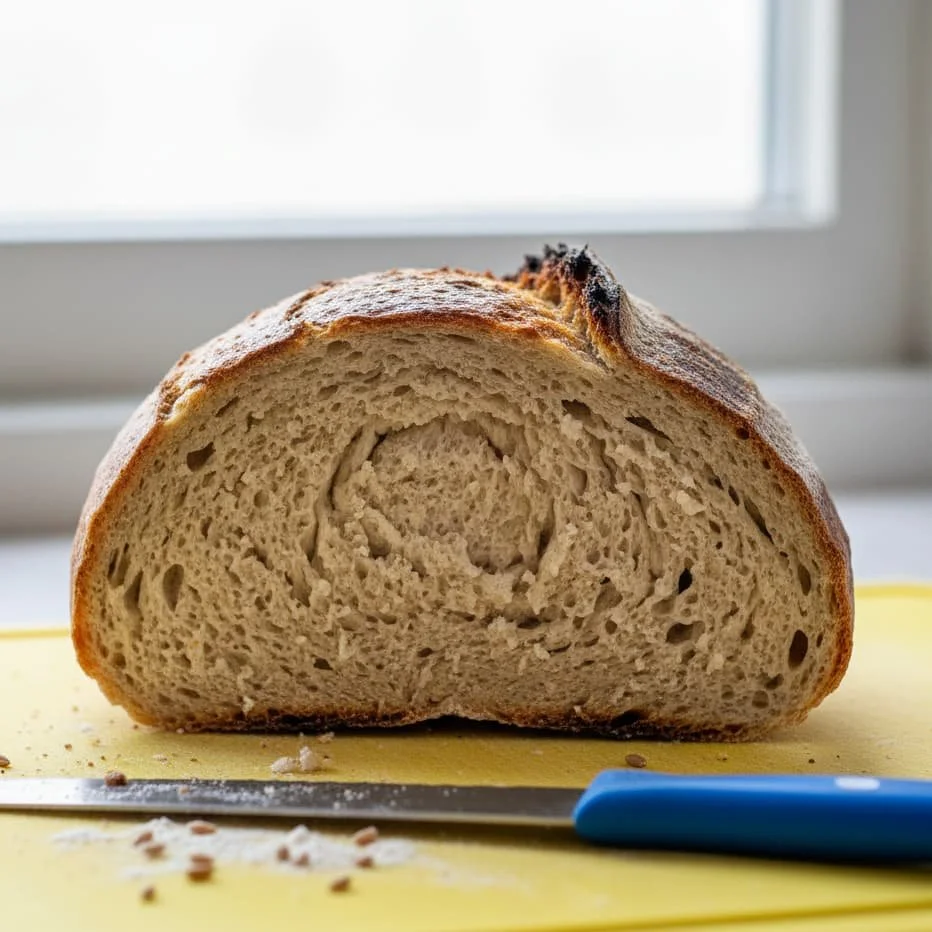
There is a specific heartbreak reserved for the moment you slice a beautiful loaf, only to find the knife coated in a sticky, shiny residue. The crumb looks wet. When you press it, it balls up like putty rather than springing back. It eats like raw dough.
Weight Loss & Satiety: The Density Analysis of Sourdough vs. Commercial Bread
Commercial bread requires almost no chewing, dissolves instantly in the stomach, and leaves you hungry again within an hour. But sourdough is a different material entirely. It is dense. It is structured. And crucially, it is acidic.
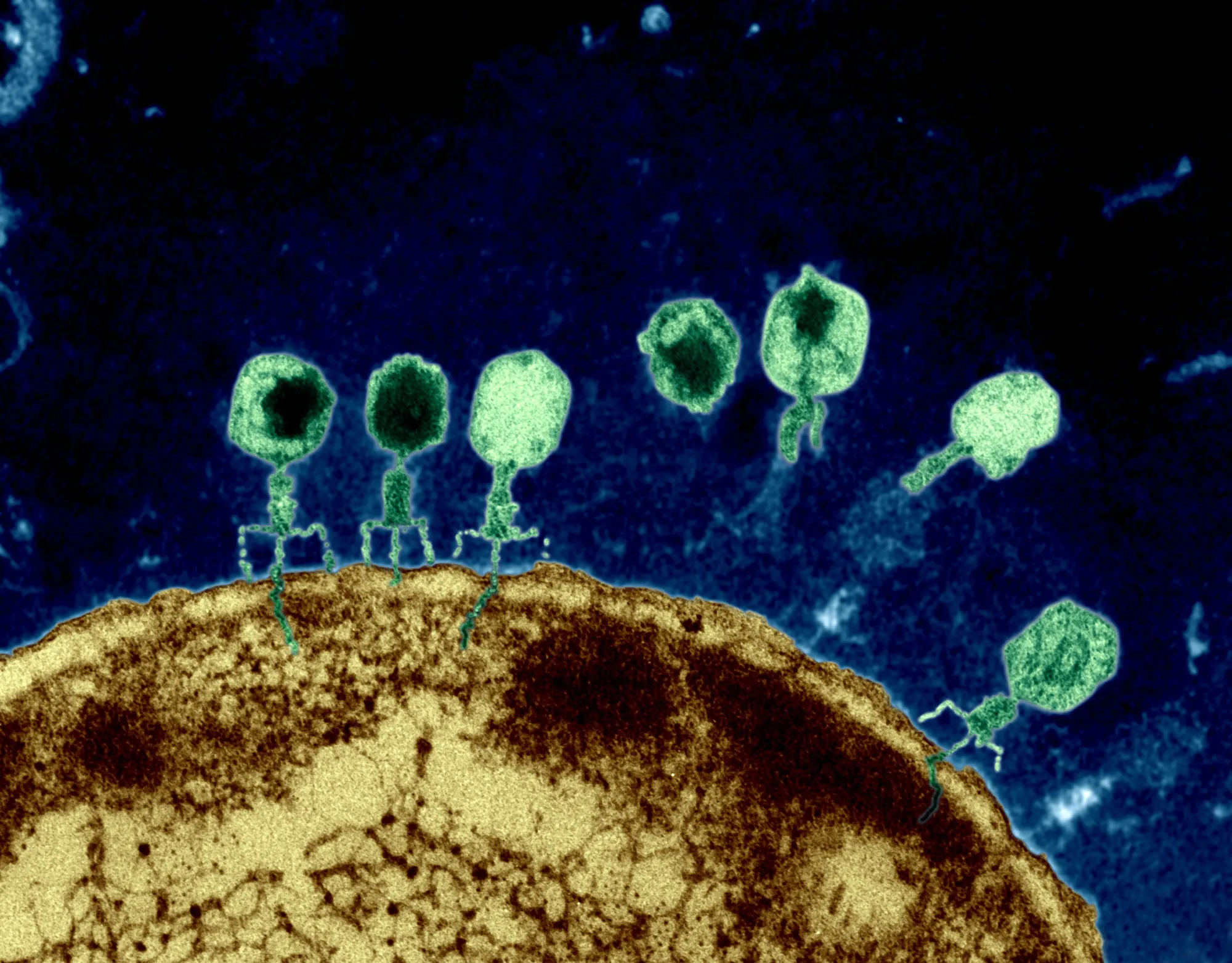
The Invisible War: Phages
You can see mold. You can smell kahm yeast. But the most lethal predator in your sourdough starter is entirely invisible. They are Bacteriophages (or simply "Phages"). They are viruses that hunt bacteria. And in the dense microbial city of a sourdough culture, they are the apex predators.

The Second Brain: How Intestinal Microbes Influence Mood
There is a second nervous system in your body, one so complex and autonomous that scientists call it "The Second Brain." It is located not in your skull, but in your gut. This represents the Enteric Nervous System (ENS). And it doesn't just digest food. It manufactures the chemistry of your mood.
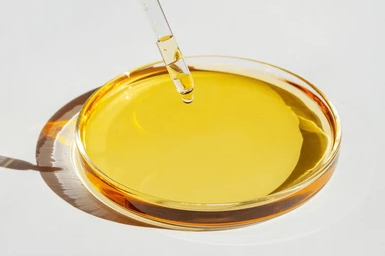
Olive Oil: The Lipid Softener
Sourdough is traditionally lean (Flour, Water, Salt). When you introduce a lipid like Extra Virgin Olive Oil, you are entering the territory of "Enriched Dough." You are trading some crust crispness for crumb tenderness.
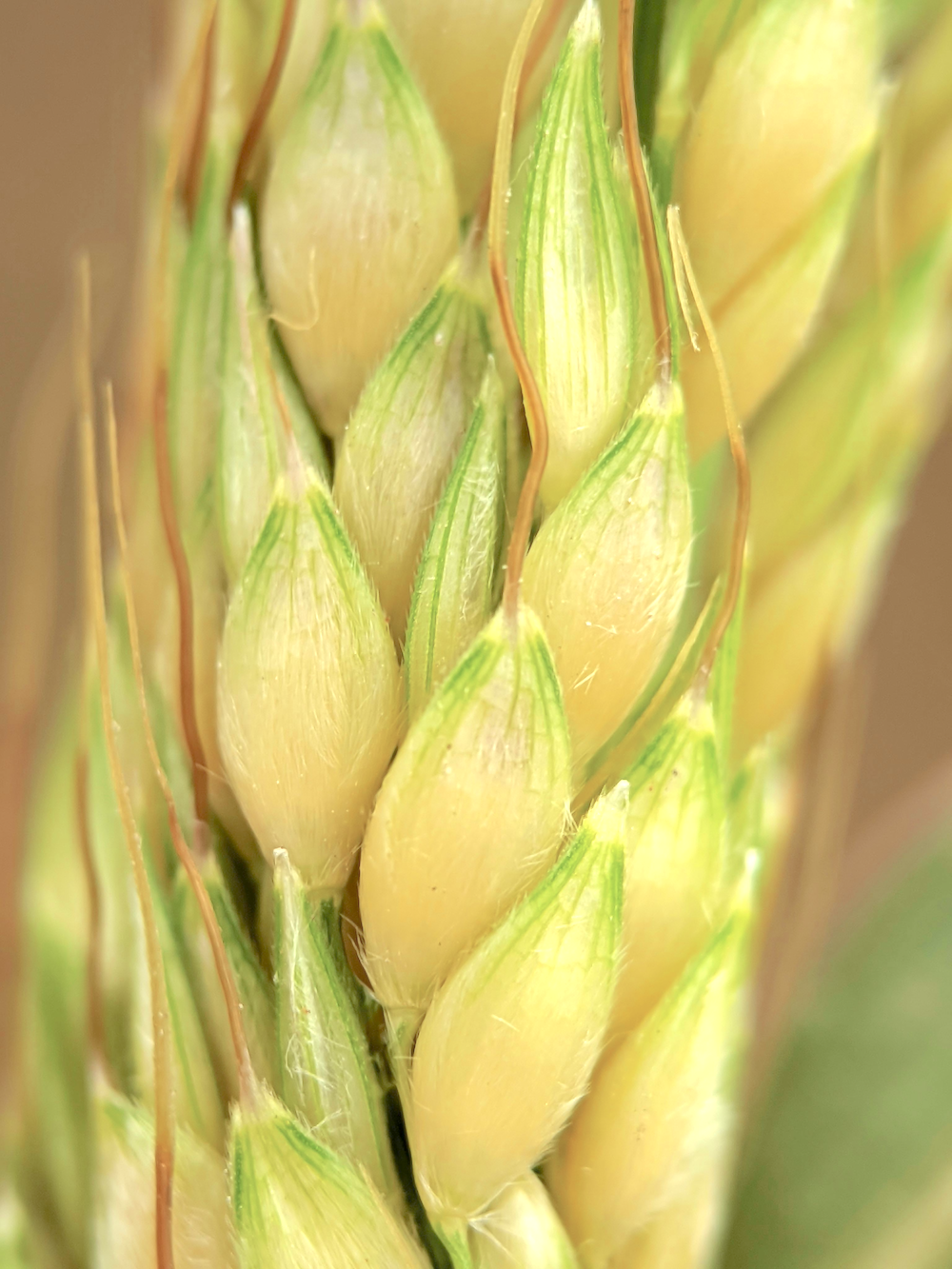
Whole Wheat: The Thirsty Substrate
White flour is a fuel source; Whole Wheat is a meal. By including the bran (the outer shell) and the germ (the embryo), you introduce a complex array of minerals and fibres that fundamentally change the physics of the dough.
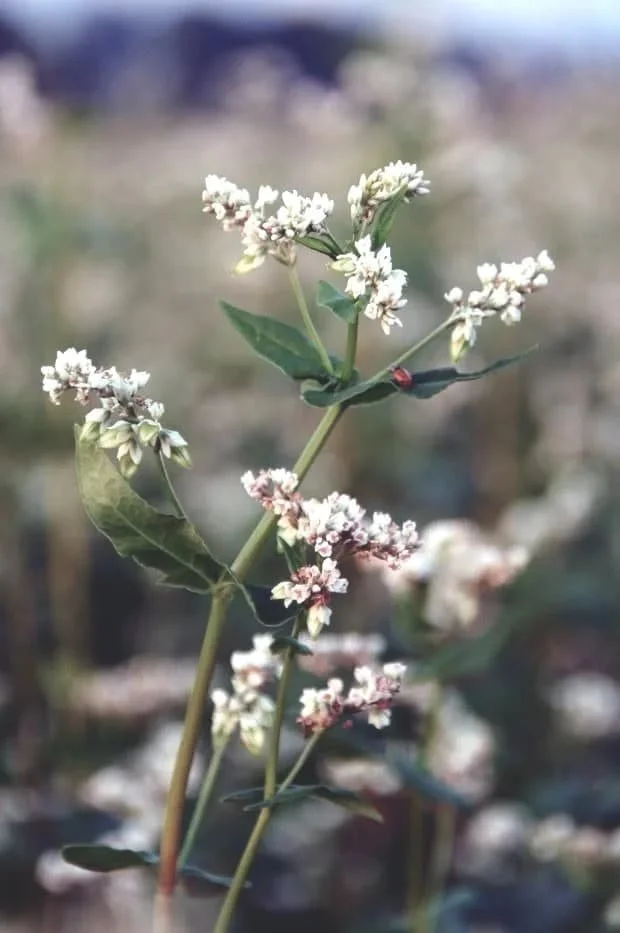
Buckwheat: The Gel Binder
Buckwheat is not wheat. It is not even a grain. It is a fruit seed related to rhubarb. For the sourdough baker, it is a powerful tool for water retention.
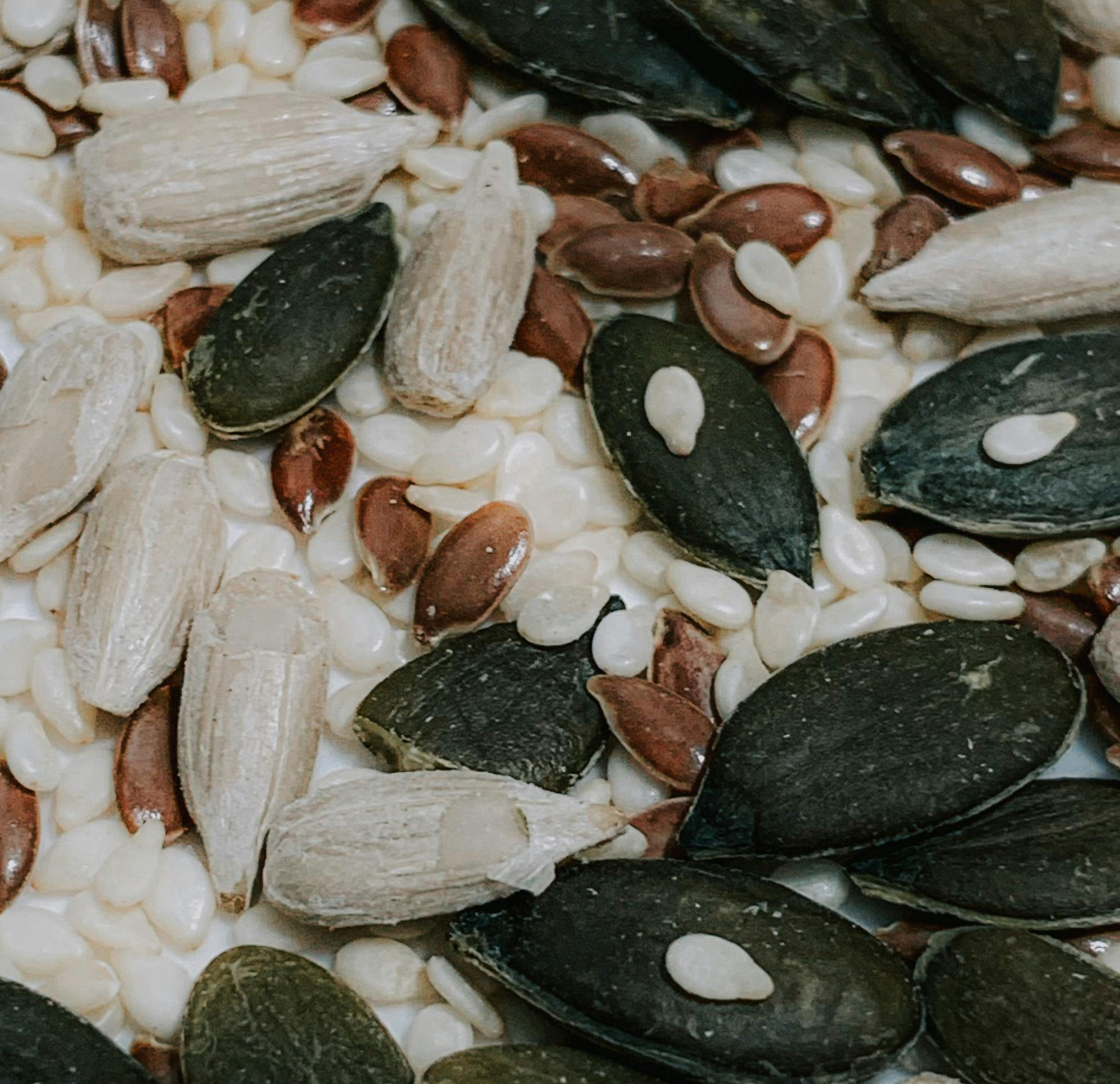
Seeds: The Hydration Thieves
Seeds are not passive additions to bread. They are biologically active sponges. If you throw raw seeds into your dough, they will compete with the gluten for water, often winning the war and leaving you with a dry, tight loaf.
What Is Acetic Acid?
Acetic acid is an organic acid produced by heterofermentative bacteria (like F. sanfranciscensis) alongside lactic acid, ethanol, and CO₂. It is responsible for the sharp, vinegary "tang" associated with San Francisco-style sourdough. Beyond flavour, it is a powerful antifungal agent.
Water: The Invisible Variable
Water is not just a filler; it is the trigger. Flour in a bag is biologically dormant. It is only when water is introduced that the enzymes (amylase and protease) wake up and the biological clock begins to tick.
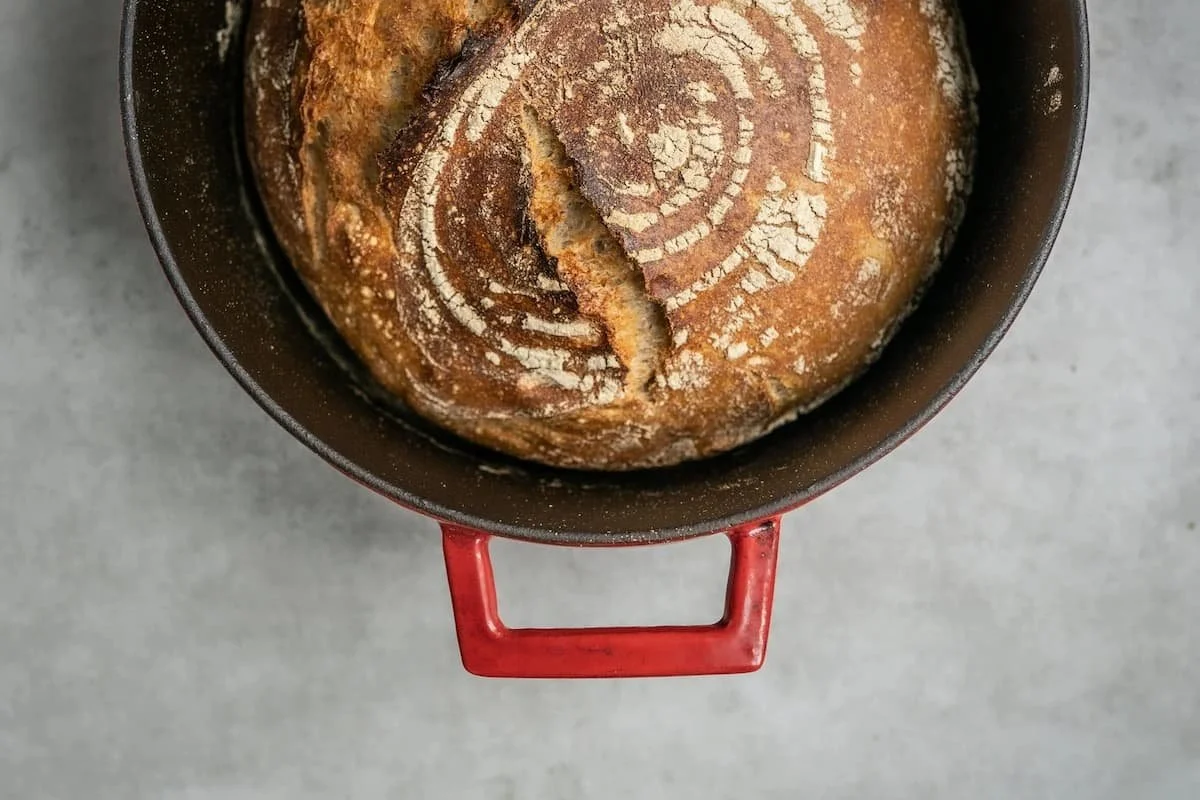
Non-Celiac Gluten Sensitivity: Is it the Gluten or the Fructans?
Because wheat contains both gluten and fructans, it is easy to confuse the two. When you stop eating bread, you eliminate both. You feel better. You blame the gluten. But you may have simply lowered your FODMAP load.
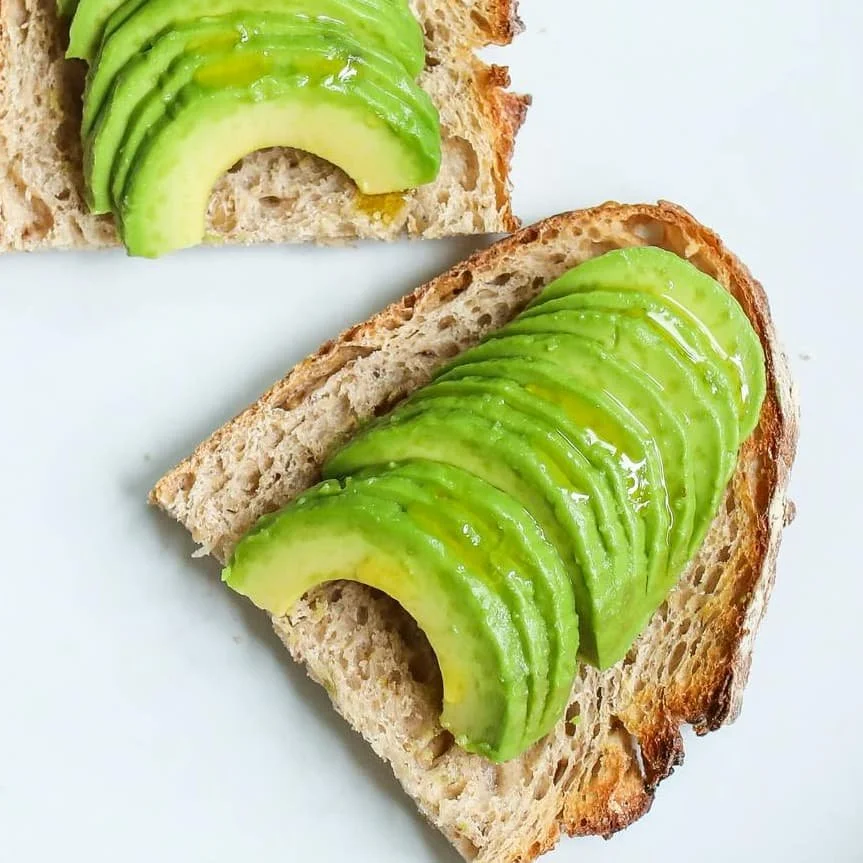
The Morning Toast Protocol: For Cortisol Management
Spiking your blood sugar with sweet carbs triggers a subsequent crash (reactive hypoglycaemia), which forces your body to release Cortisol and Adrenaline to bring levels back up. You are literally chemically inducing stress before 10 AM.
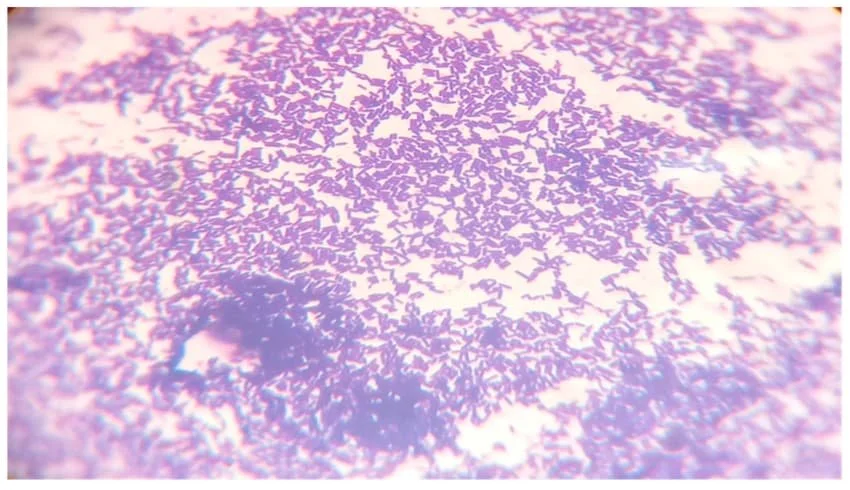
The Survivor: Lactobacillus plantarum
Lactobacillus plantarum is a survivor. It is the "Navy SEAL" of the lactic acid bacteria. It is found everywhere: in sauerkraut, pickles, kimchi, olive brines, and—crucially—in the most robust sourdough starters.

Leaky Gut Protocols: Butyrate Production and Lining Repair
The term "Leaky Gut" (Increased Intestinal Permeability) was once dismissed by conventional medicine. Today, it is a recognised driver of systemic inflammation, autoimmunity, and food sensitivities.
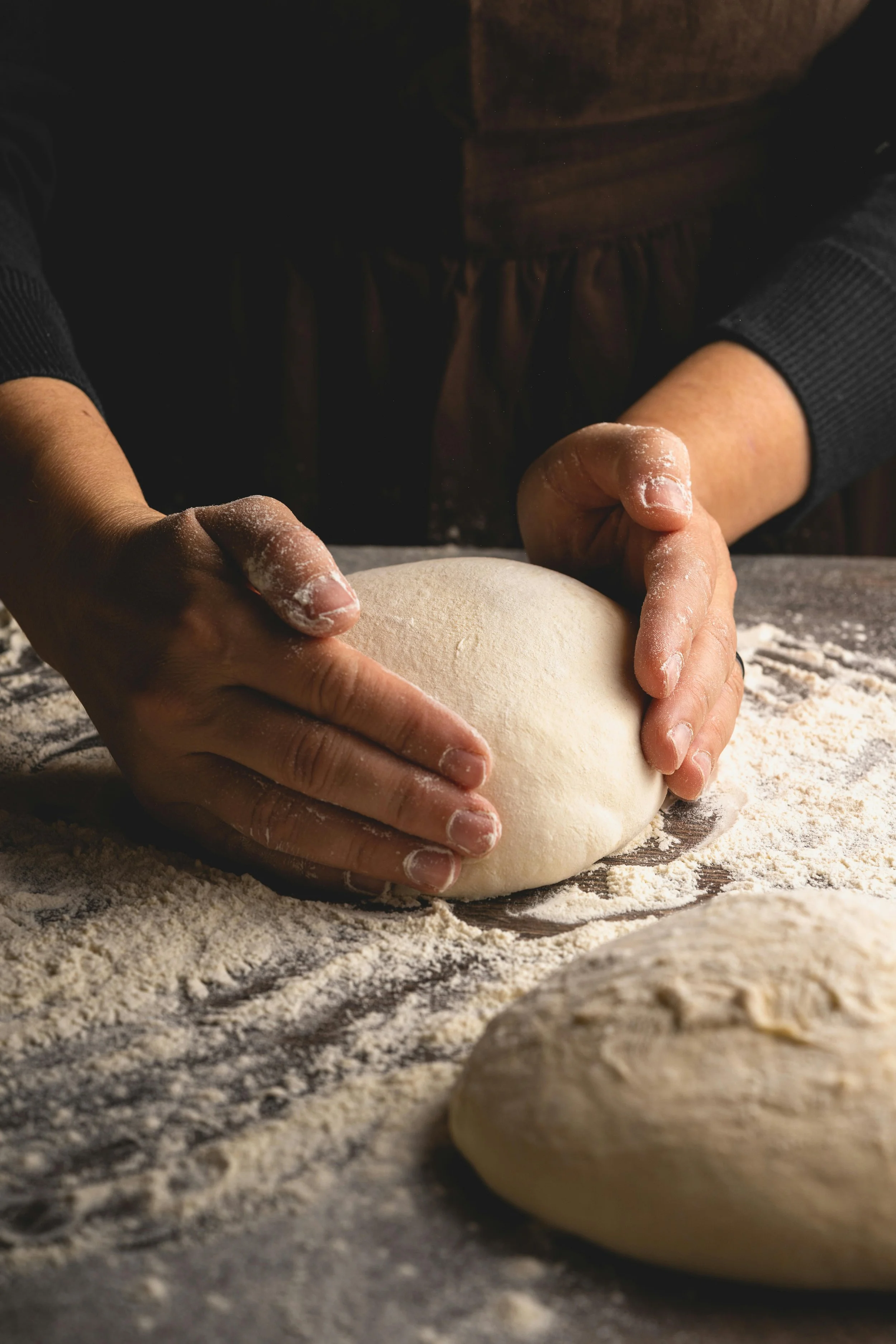
FODMAPs & Fermentation: Navigating IBS and the 48h Degradation Curve
When you mix flour and water and let it sit, a war for resources begins. The bacteria hunt for fuel. If given enough time, they will consume the fructans, effectively "pre-digesting" the bread before it ever reaches your plate.
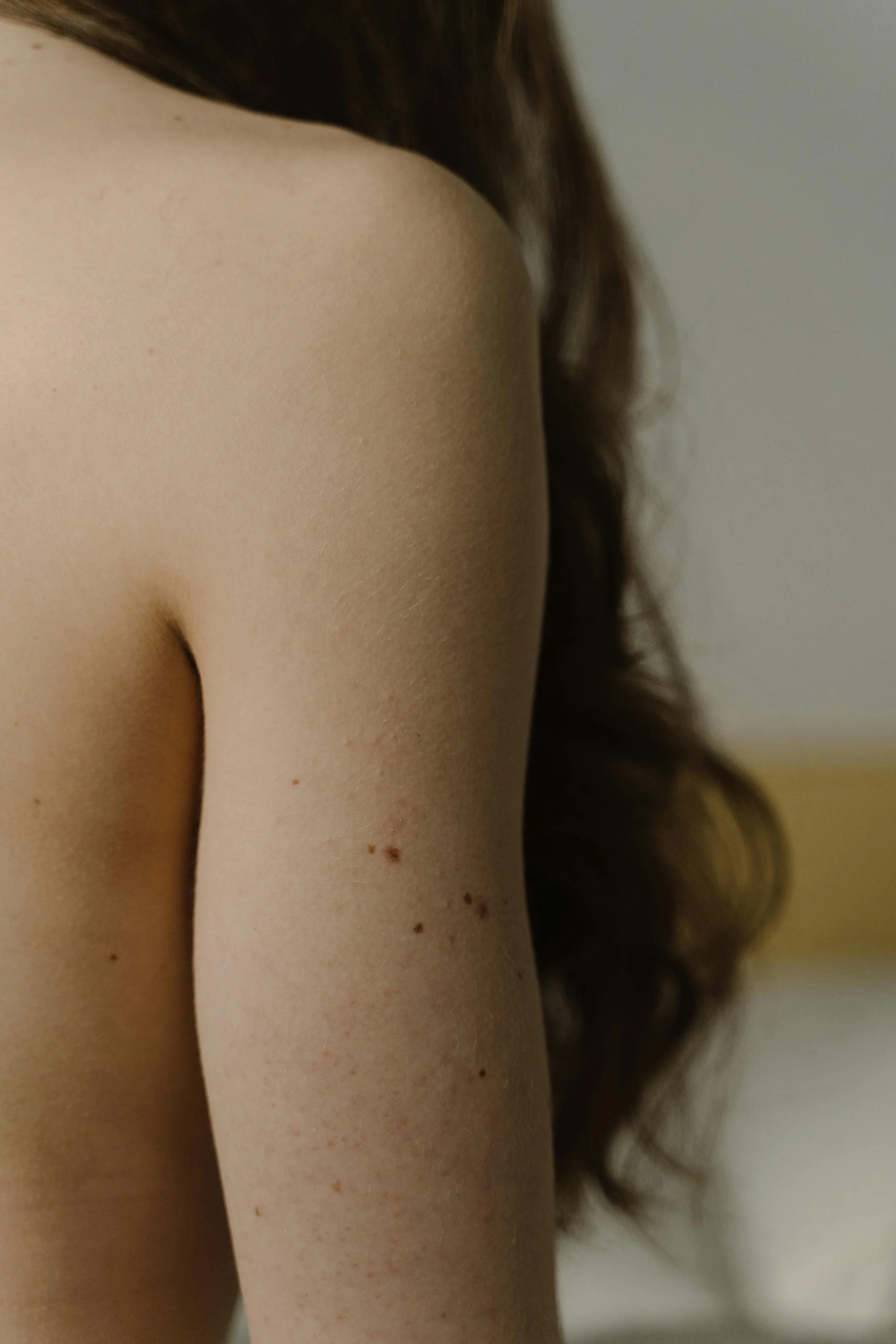
Gut-Skin Axis: Sourdough, Systemic Inflammation, and Acne
This is the story of the Gut-Skin Axis: the direct line of communication between what you eat, your insulin levels, and the clarity of your skin. And it explains why sourdough might be the dermatological intervention you didn't know you needed.
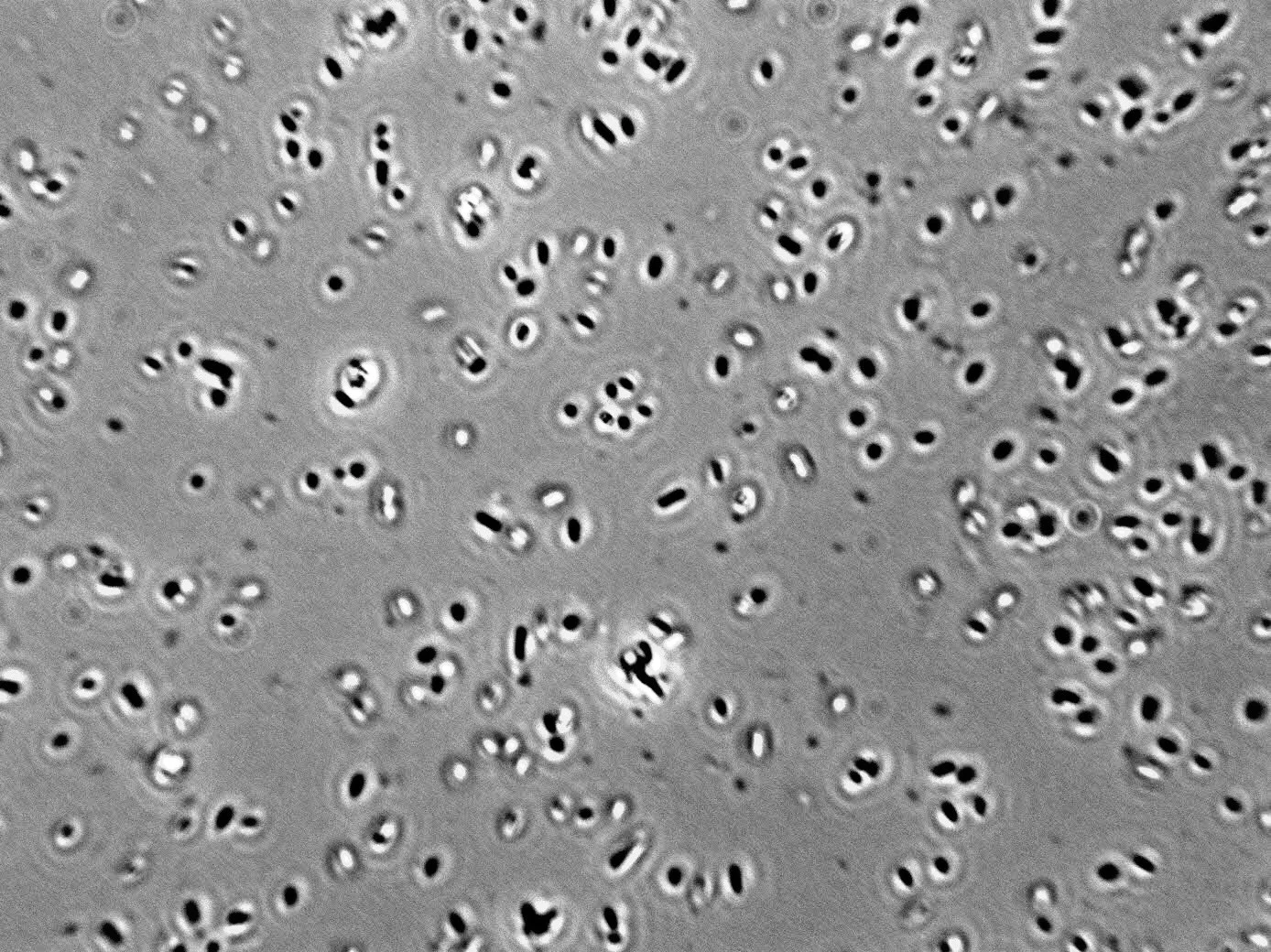
The Peacemaker: Levilactobacillus brevis
While other microbes are busy fighting for sugar, L. brevis is quietly performing a chemical conversion that has profound implications for the human brain. It takes Glutamate—an excitatory molecule—and transforms it into GABA, the molecule of calm.