
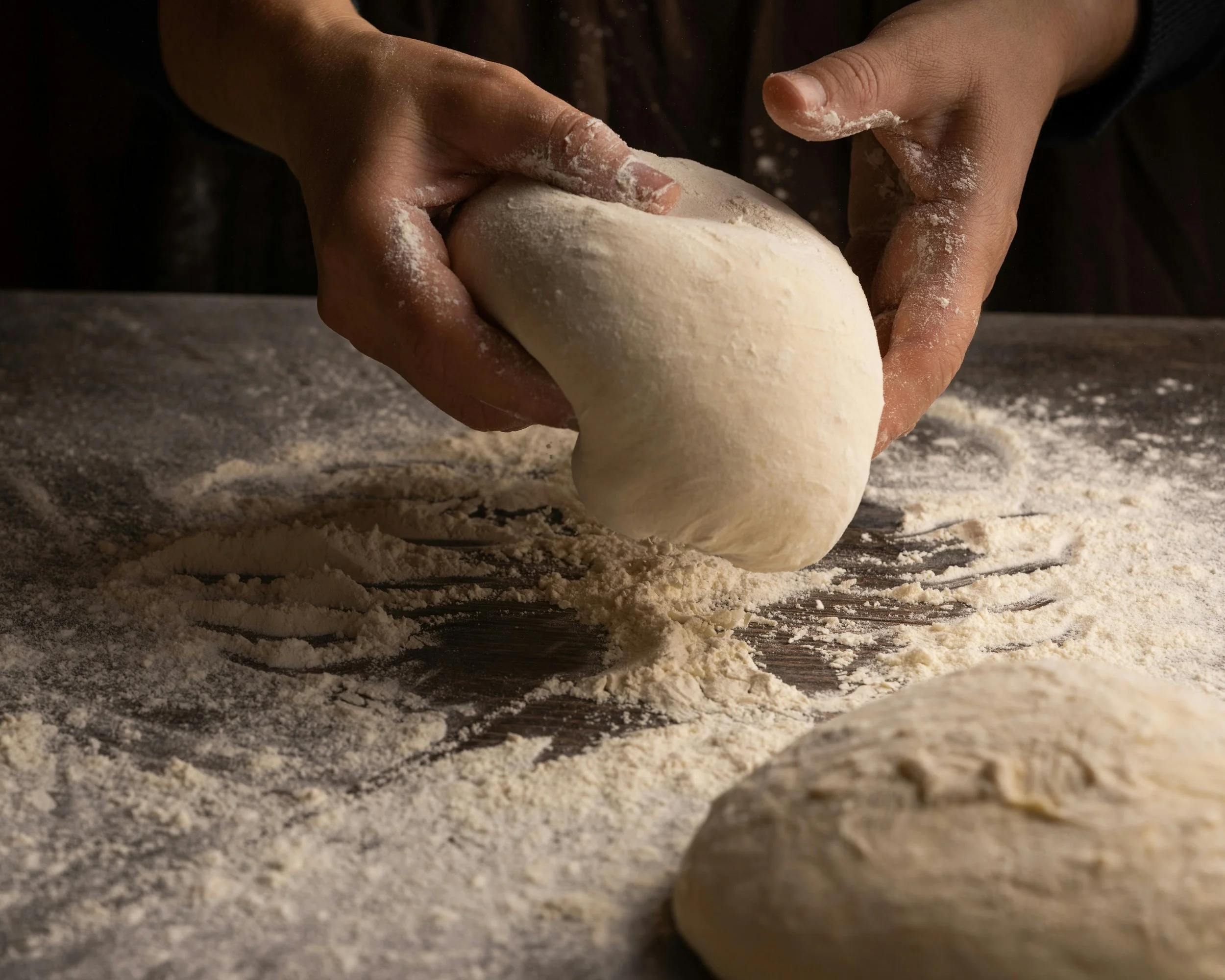
Enzymatic Shearing: How Protease Cuts Gluten (The Scissors)
When a baker talks about "strength," they are usually talking about elasticity—the ability of dough to snap back. This is the hallmark of commercial yeast bread. It is rubbery, tight, and resilient. But a sourdough baker looks for something else: Extensibility. The ability to stretch without tearing.
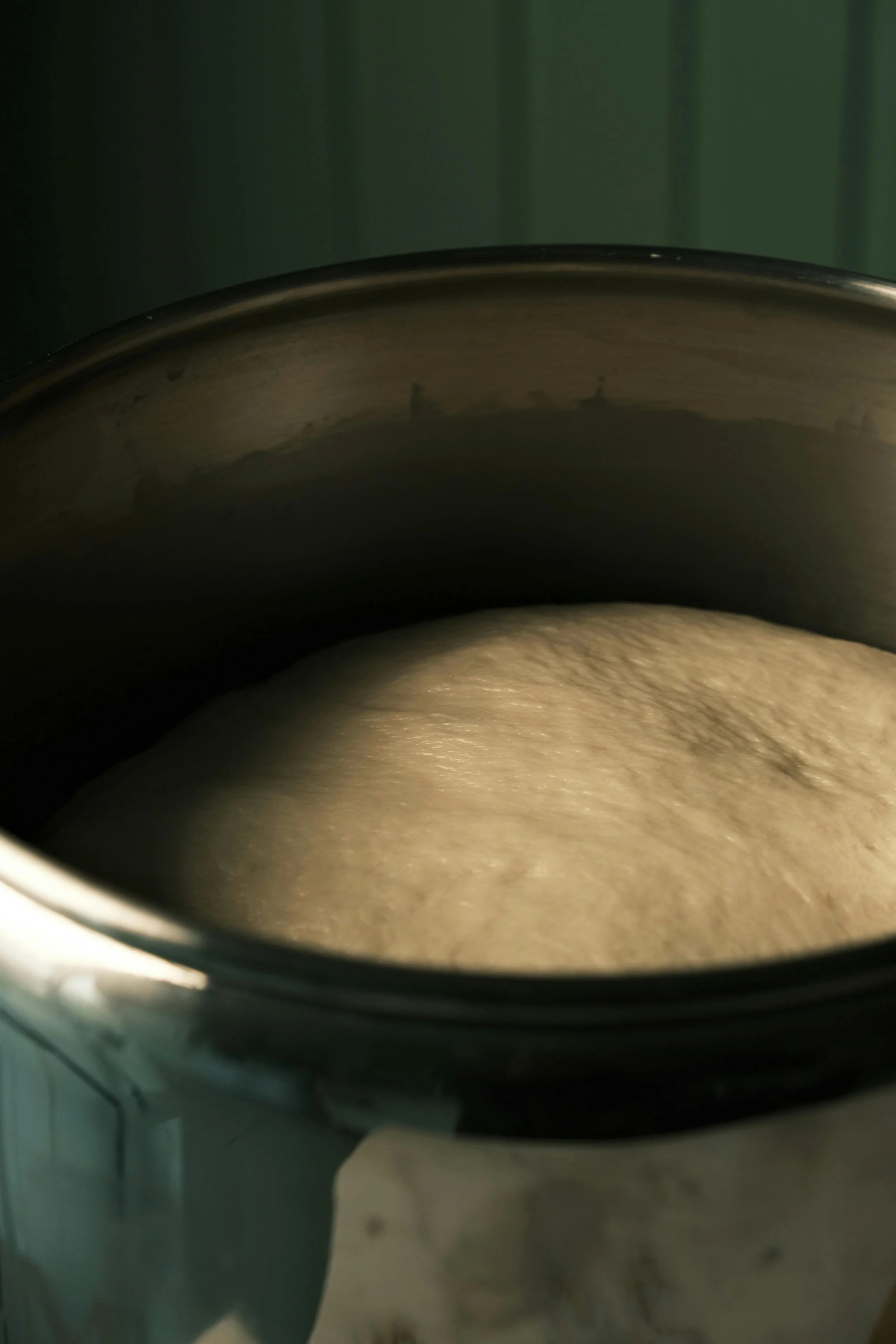
The Lectin Defense: Fermentation as a Chemical Shield
In the world of diet culture, lectins—specifically Wheat Germ Agglutinin (WGA) found in whole grains—have become a villain. They are accused of binding to the gut lining, causing "Leaky Gut," and triggering systemic inflammation.

The Bloat Analysis: Why Pizza Bloats You but Sourdough Doesn't
It is a common scenario: You eat two slices of artisan sourdough toast for breakfast and feel energised. That night, you eat two slices of pizza and feel like you have swallowed a bowling ball. The ‘bread’ ingredients are identical: Flour, water, salt, yeast.
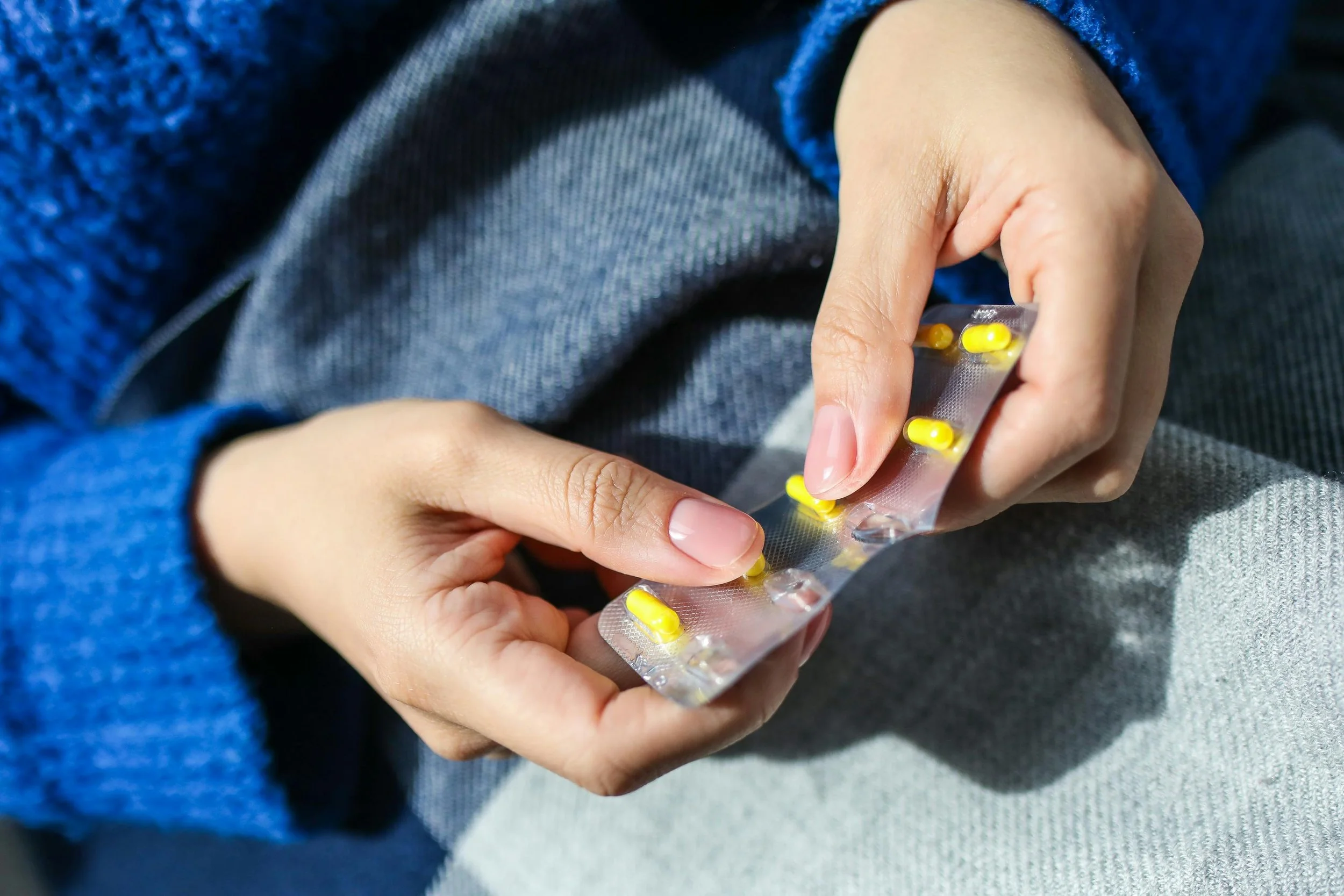
Fermented Foods vs. Pills: The Whole Food Matrix Argument
The wellness industry loves isolation. It takes a complex biological process, isolates a single "active ingredient," and sells it in a capsule. This reductionist approach has created a billion-dollar market for probiotic supplements.
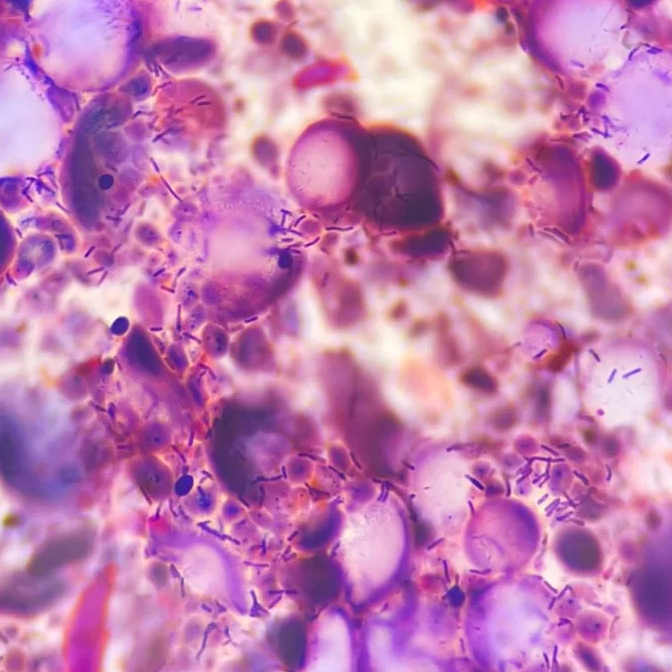
Meet The Yeast: The Sprinter vs. The Marathon Runner
In the world of baking, the word "yeast" is used carelessly. We treat the beige granules in a packet and the wild population in a sourdough starter as if they are the same organism just living at different speeds. They are not.
Sugar Hunters: How Amylase Unlocks the Grain
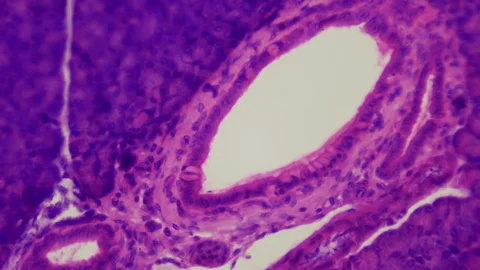
Microbes are hungry. To survive, they need sugar. But flour is not sugar. It is starch—long, complex chains of glucose molecules locked together in granules. For a yeast cell, a starch granule is like a boulder. It is too big to eat. Before the yeast can feast, someone has to break the rock. This is the job of Amylase.
Tactile Metrics: The Windowpane, The Poke, The Jiggly Test
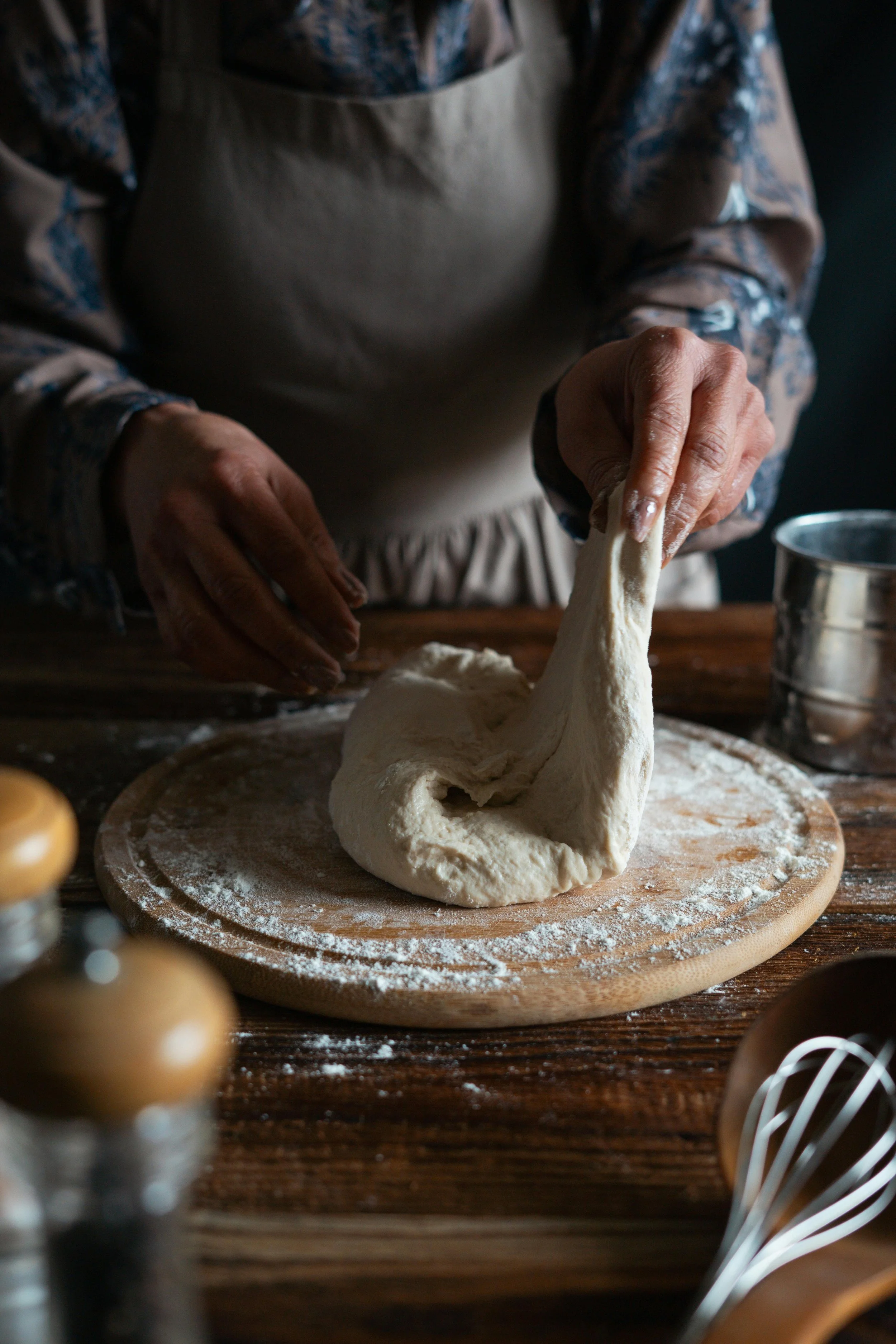
The only reliable clock is the dough itself. To read it, you must stop looking and start touching. These are the three Tactile Metrics that every sourdough baker must master to judge the invisible biology of the jar.
The Invisible War: Phages
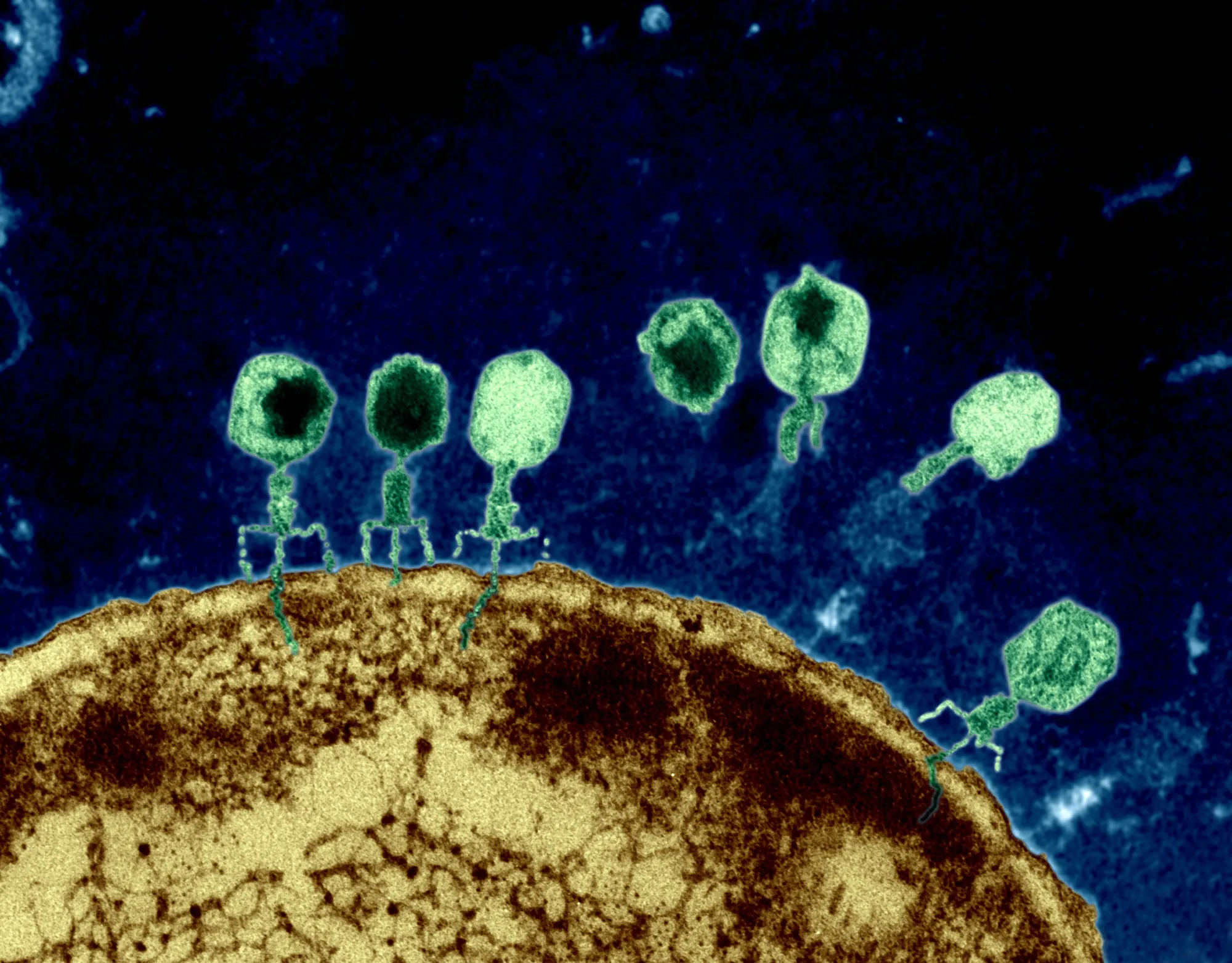
You can see mold. You can smell kahm yeast. But the most lethal predator in your sourdough starter is entirely invisible. They are Bacteriophages (or simply "Phages"). They are viruses that hunt bacteria. And in the dense microbial city of a sourdough culture, they are the apex predators.
FODMAPs & Fermentation: Navigating IBS and the 48h Degradation Curve
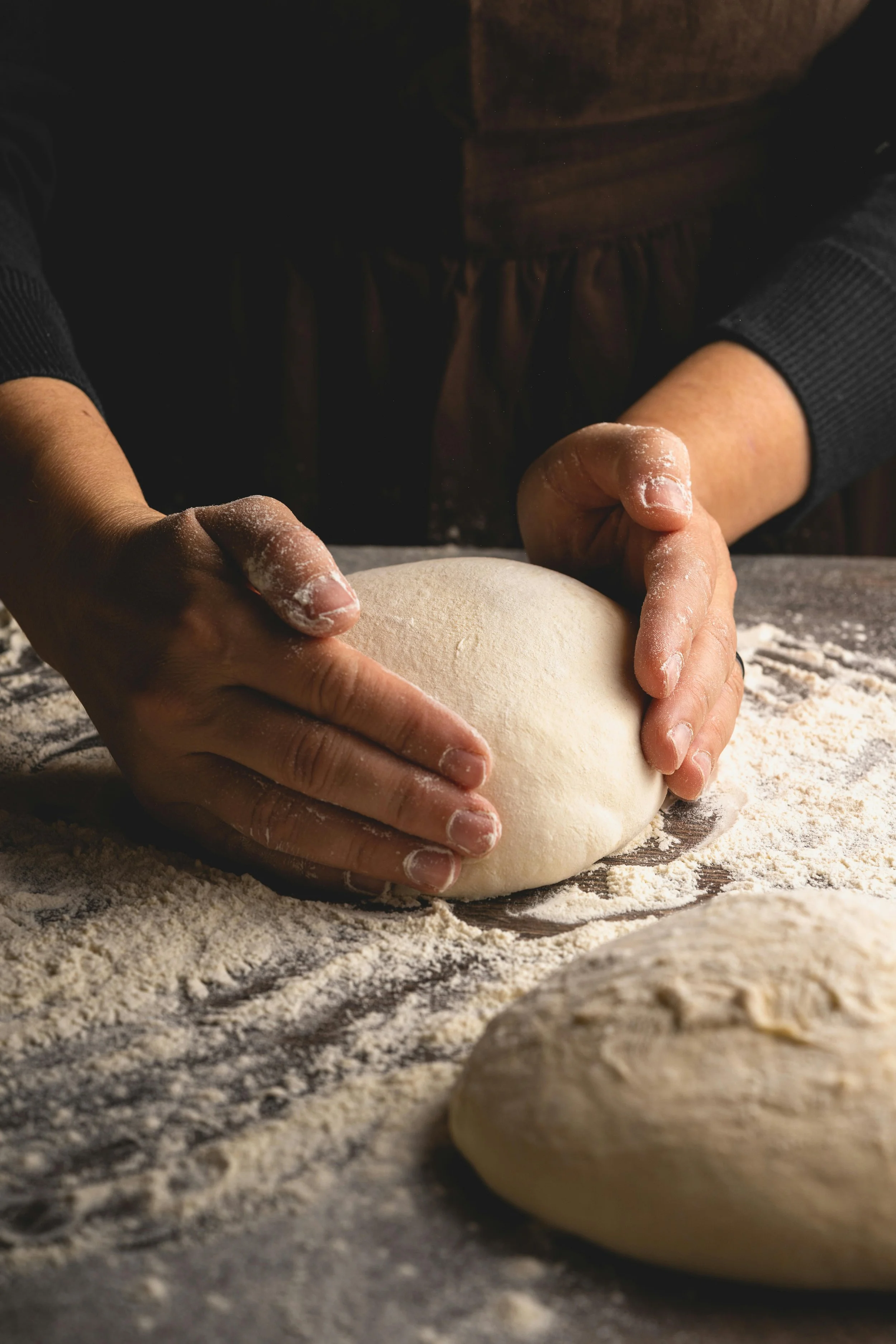
When you mix flour and water and let it sit, a war for resources begins. The bacteria hunt for fuel. If given enough time, they will consume the fructans, effectively "pre-digesting" the bread before it ever reaches your plate.
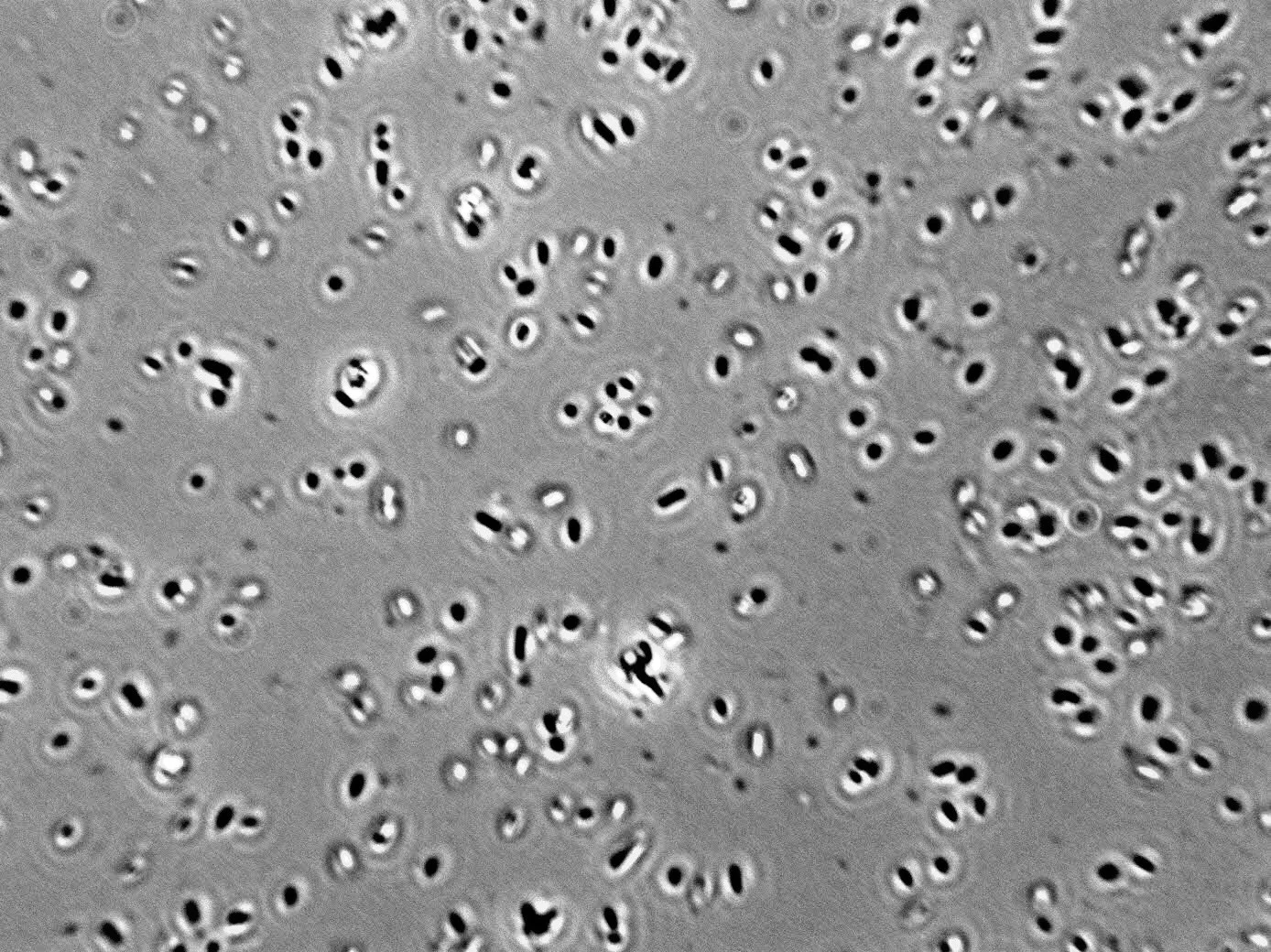
The Peacemaker: Levilactobacillus brevis
While other microbes are busy fighting for sugar, L. brevis is quietly performing a chemical conversion that has profound implications for the human brain. It takes Glutamate—an excitatory molecule—and transforms it into GABA, the molecule of calm.
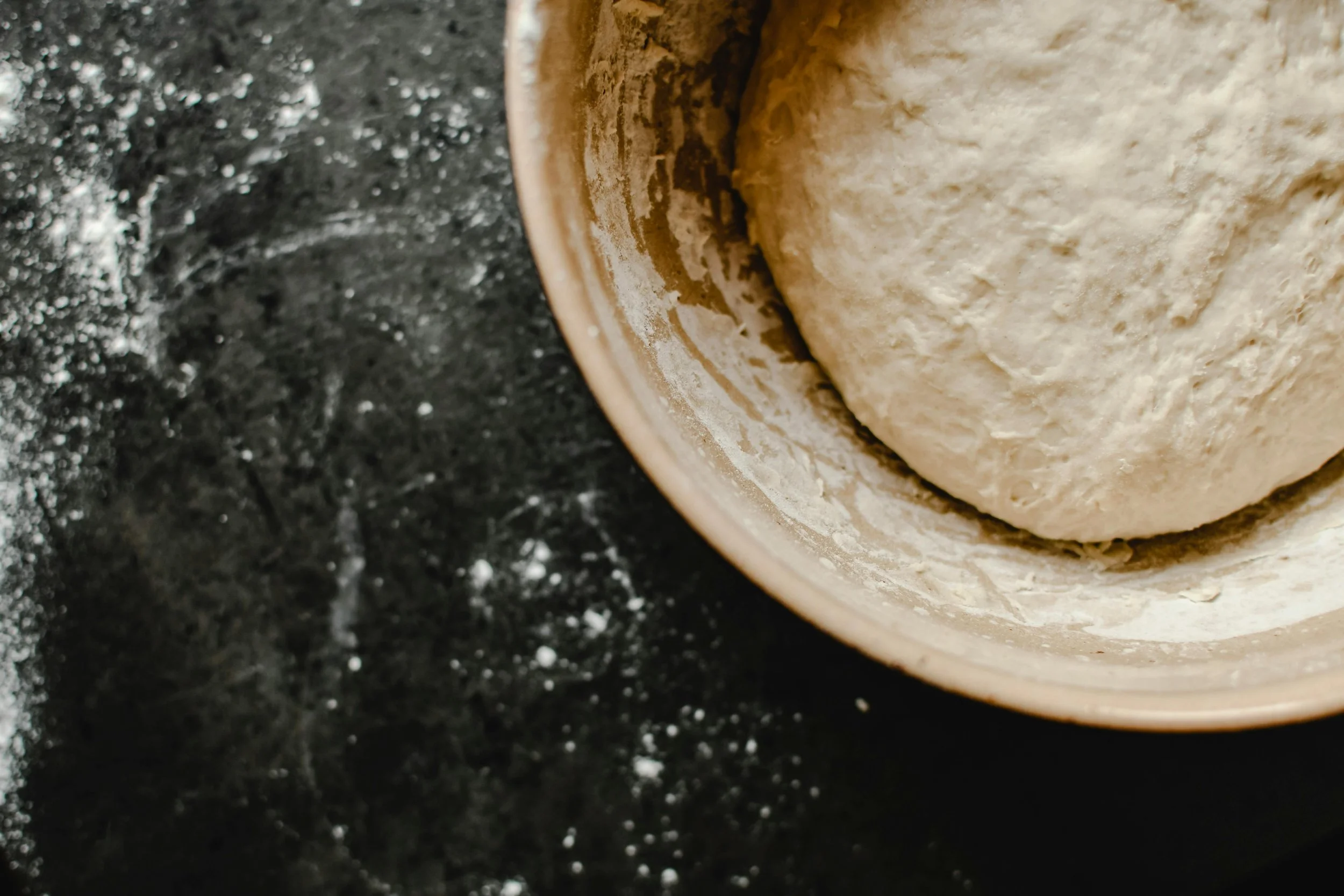
pH Dynamics: Charting the Drop from 6.0 to 3.5
The true clock of sourdough is not measured in minutes, but in pH. The transformation of dough from a simple mixture of flour and water into a complex, digestible, and flavorful loaf is driven by acidification. Understanding the curve of this drop is the difference between a loaf that is bland and gummy, and one that sings.
What Is Wild Yeast?
Wild Yeast refers to the diverse populations of yeast species found naturally on the husks of grain, in the air, and on the skin of fruits, which are "captured" and cultivated in a sourdough starter.
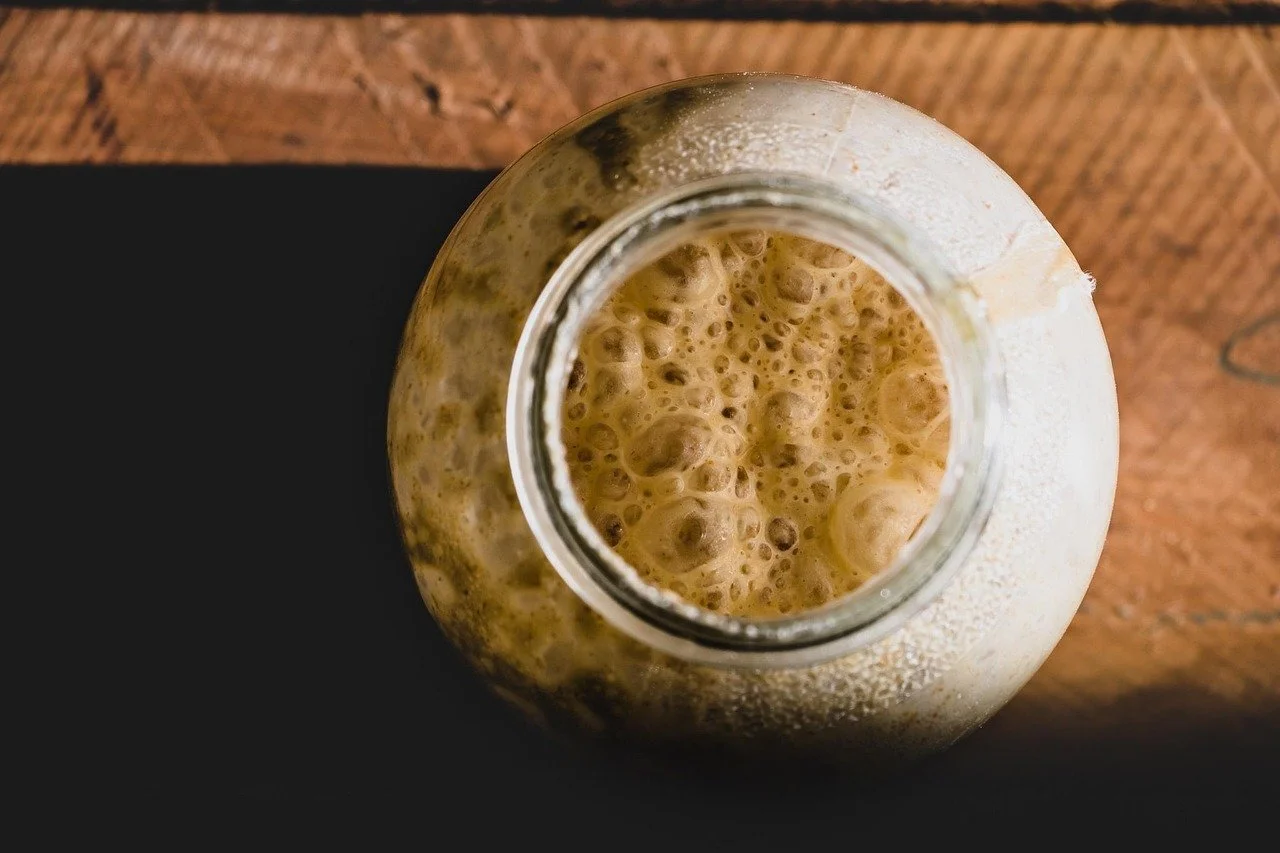
Microbial Ecology: The Lifecycle of Your Starter (And Why It Smells)
When you mix flour and water for the first time, you are not just making dough; you are terraforming a new world. You are initiating a biological sequence known as Ecological Succession. This process is violent, chaotic, and predictable. It involves a war for resources, a "Great Extinction" event, and finally, the establishment of a stable civilization.
The "Sourfaux" Guide: How to Spot Sourdough Fakes
True sourdough is the result of a biological pact: a slow fermentation of flour and water by wild yeast and lactic acid bacteria. This process takes time—often 24 to 48 hours—to break down gluten, neutralise phytates, and develop complex organic acids.
"Sourfaux," a term coined by the Real Bread Campaign [1], refers to bread that mimics the taste of sourdough without the time or the biological benefits [1]. It is fast food dressed up as slow food.