
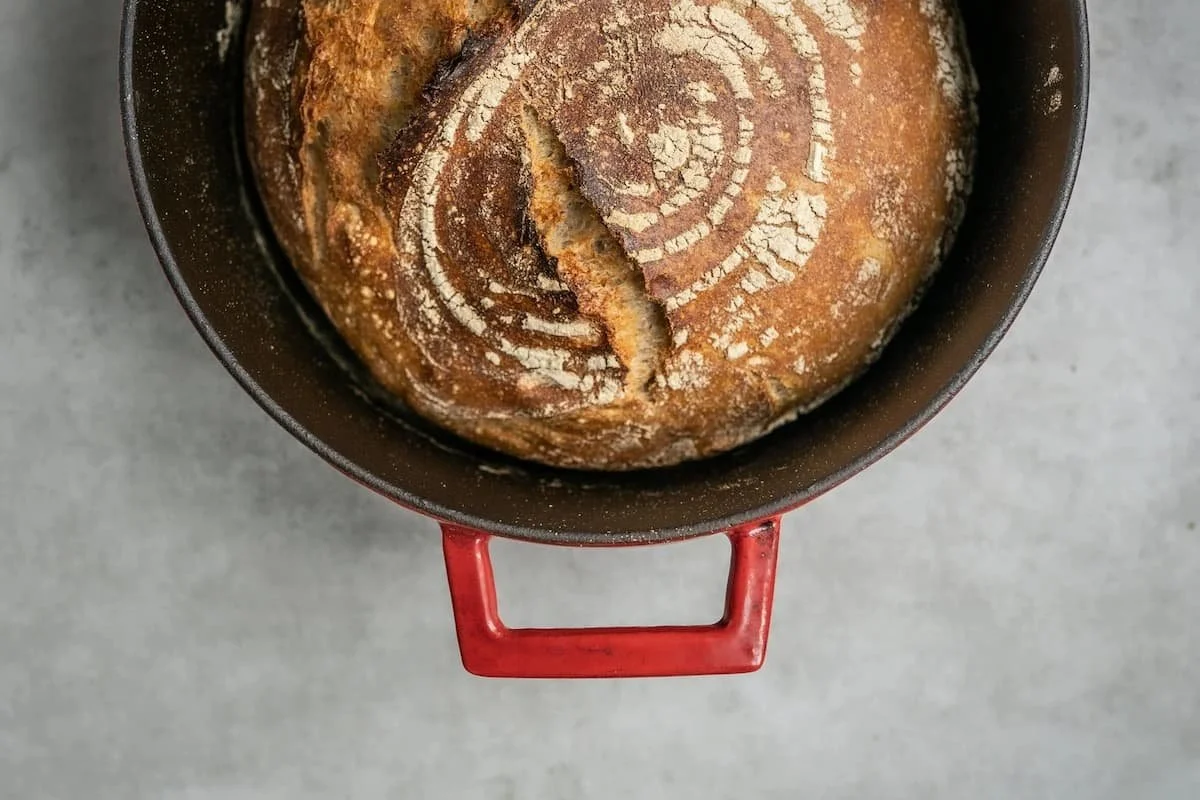
Non-Celiac Gluten Sensitivity: Is it the Gluten or the Fructans?
Because wheat contains both gluten and fructans, it is easy to confuse the two. When you stop eating bread, you eliminate both. You feel better. You blame the gluten. But you may have simply lowered your FODMAP load.
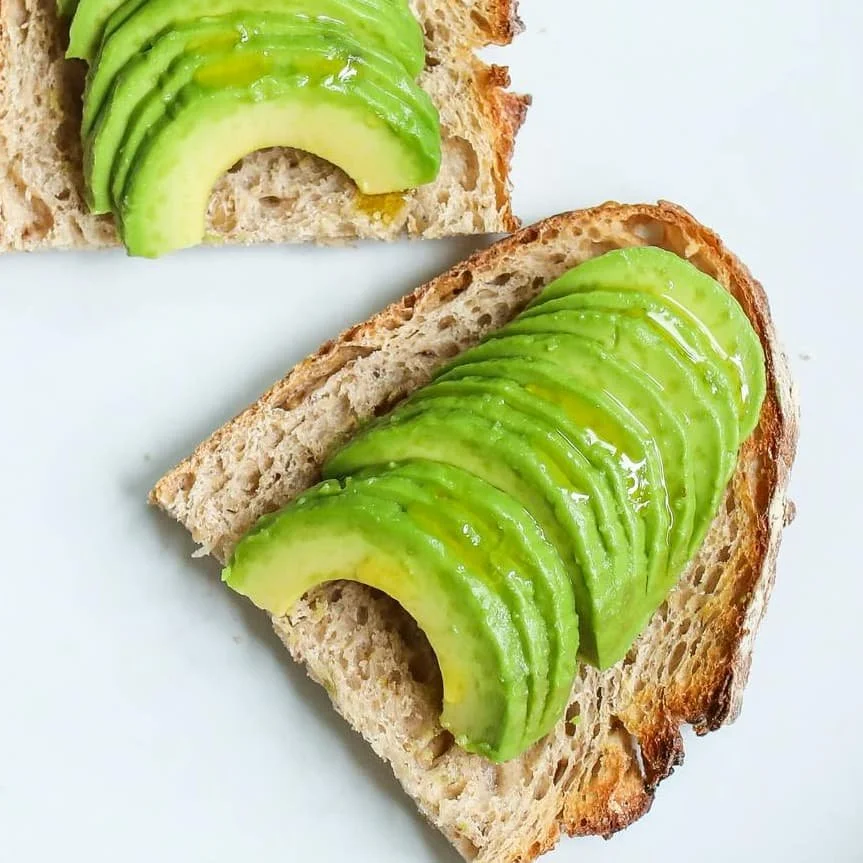
The Morning Toast Protocol: For Cortisol Management
Spiking your blood sugar with sweet carbs triggers a subsequent crash (reactive hypoglycaemia), which forces your body to release Cortisol and Adrenaline to bring levels back up. You are literally chemically inducing stress before 10 AM.
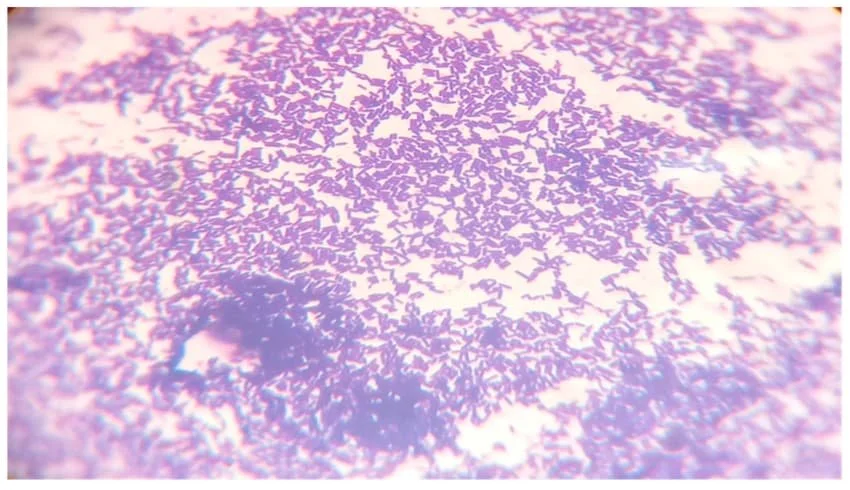
The Survivor: Lactobacillus plantarum
Lactobacillus plantarum is a survivor. It is the "Navy SEAL" of the lactic acid bacteria. It is found everywhere: in sauerkraut, pickles, kimchi, olive brines, and—crucially—in the most robust sourdough starters.

Leaky Gut Protocols: Butyrate Production and Lining Repair
The term "Leaky Gut" (Increased Intestinal Permeability) was once dismissed by conventional medicine. Today, it is a recognised driver of systemic inflammation, autoimmunity, and food sensitivities.
FODMAPs & Fermentation: Navigating IBS and the 48h Degradation Curve
When you mix flour and water and let it sit, a war for resources begins. The bacteria hunt for fuel. If given enough time, they will consume the fructans, effectively "pre-digesting" the bread before it ever reaches your plate.

Gut-Skin Axis: Sourdough, Systemic Inflammation, and Acne
This is the story of the Gut-Skin Axis: the direct line of communication between what you eat, your insulin levels, and the clarity of your skin. And it explains why sourdough might be the dermatological intervention you didn't know you needed.
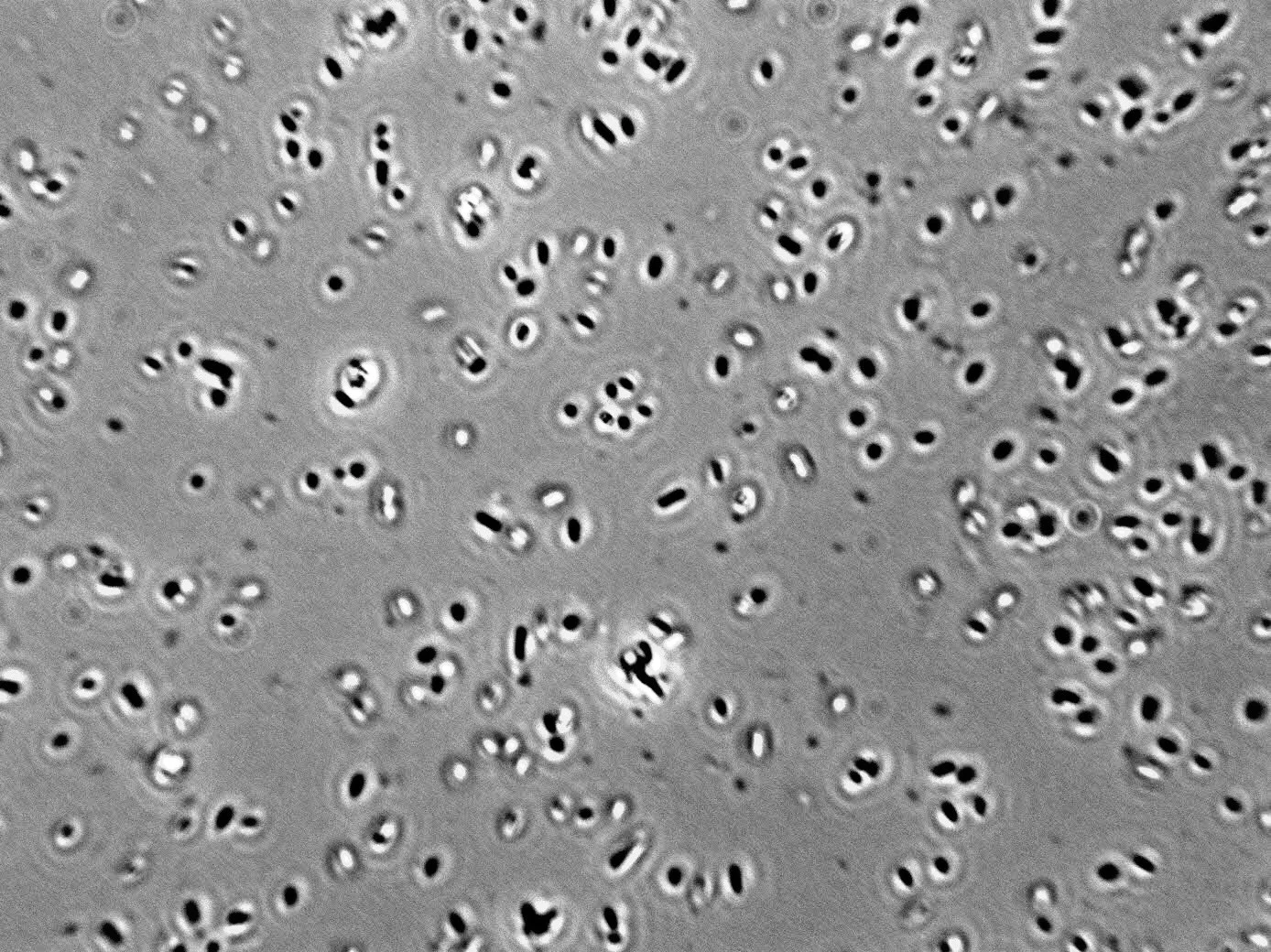
The Peacemaker: Levilactobacillus brevis
While other microbes are busy fighting for sugar, L. brevis is quietly performing a chemical conversion that has profound implications for the human brain. It takes Glutamate—an excitatory molecule—and transforms it into GABA, the molecule of calm.
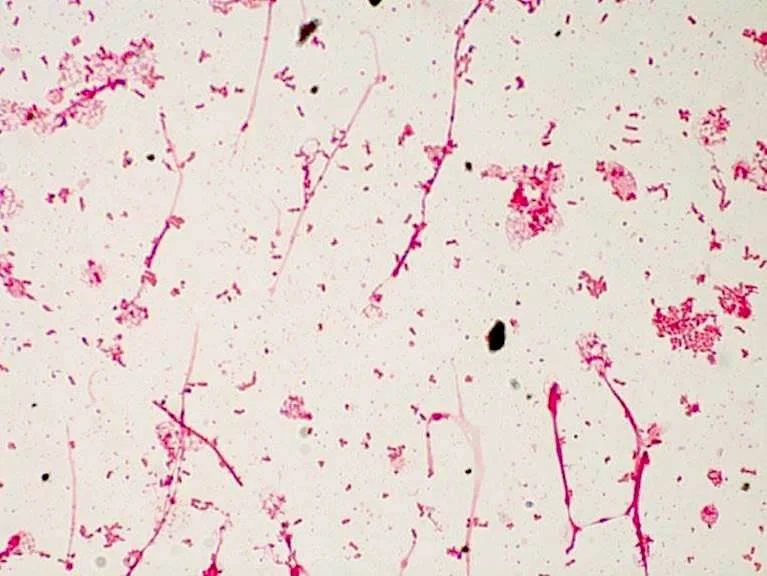
The Dead Starter: Pathogen Takeover in Neglected Jars
There is a point of no return. A moment when a neglected starter stops being a culture of beneficial microbes and becomes a Petri dish for pathogens. This transition is chemical. It is driven by a single variable: pH.
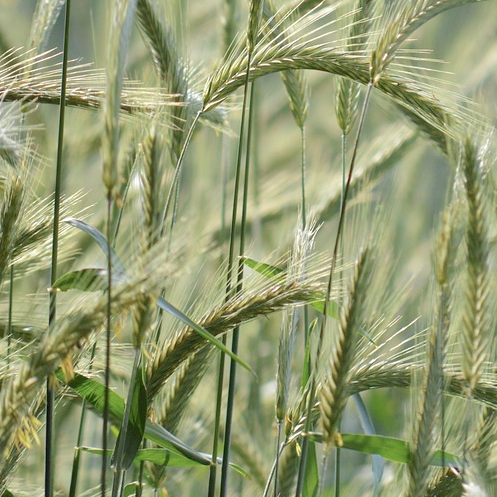
Rye Flour: The Enzymatic Supercharger
White flour provides the structure (gluten), but Rye flour provides the fuel. Many bakers view Rye simply as a flavour additive, but biologically, it acts as a high-octane injection for your fermentation engine.
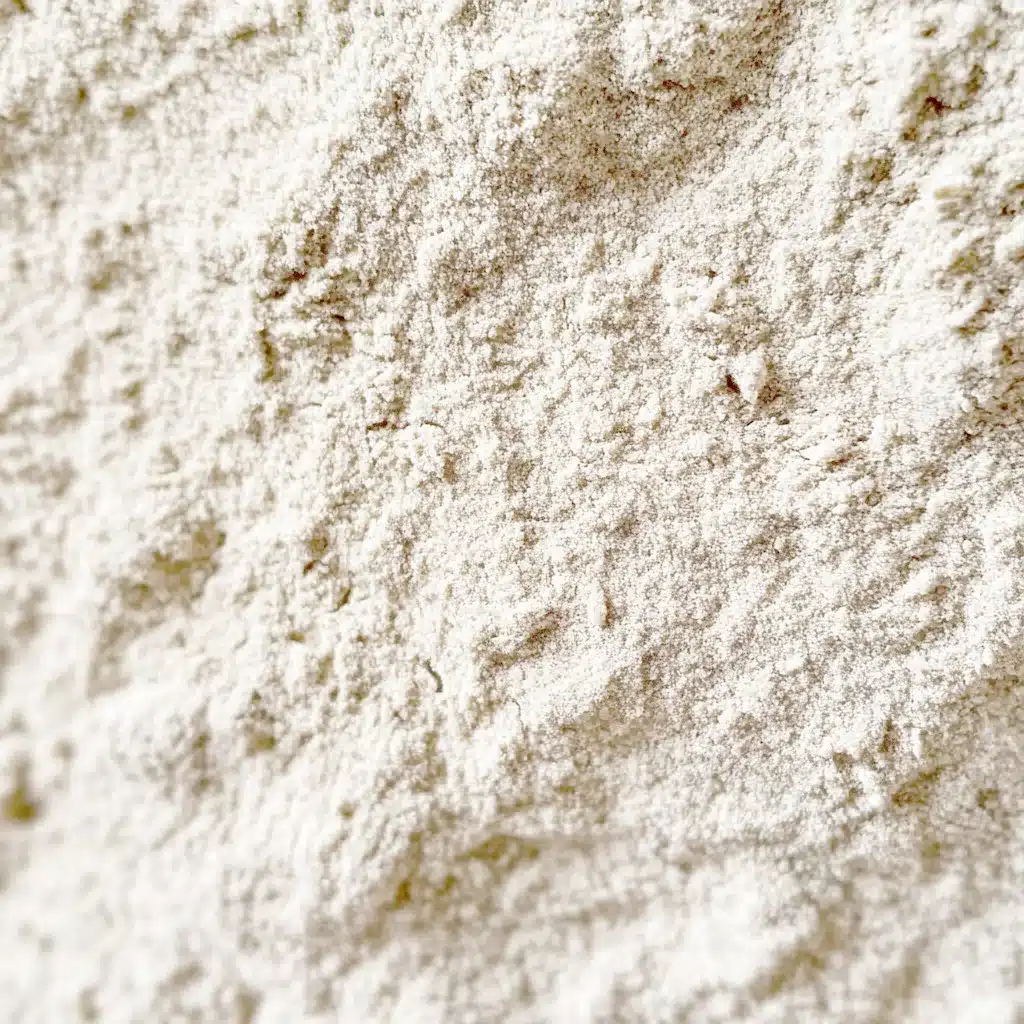
Diastatic Malt: The Fuel Injector
Professional bakers have a secret weapon for achieving that dark, mahogany crust and open interior: Malt. But not all malt is created equal. You must distinguish between "Diastatic" (Active) and "Non-Diastatic" (Inactive).
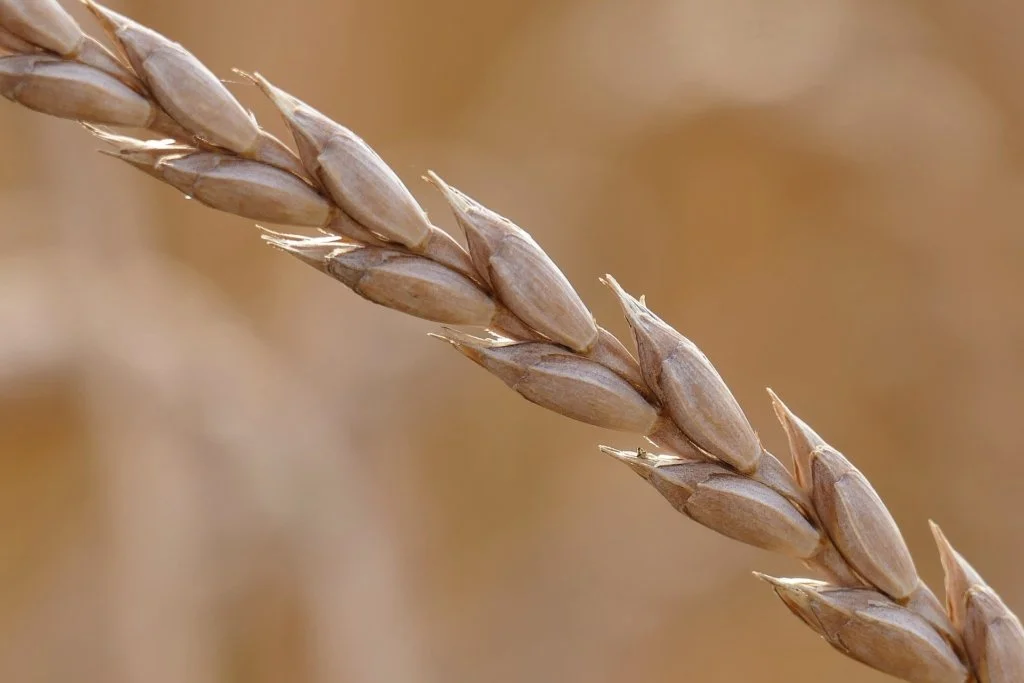
Spelt Flour: The Extensibility Paradox
Spelt is the ancient cousin of modern wheat. Many bakers switch to it for its nutty flavour or perceived health benefits, but they are often shocked when their dough collapses into a puddle.
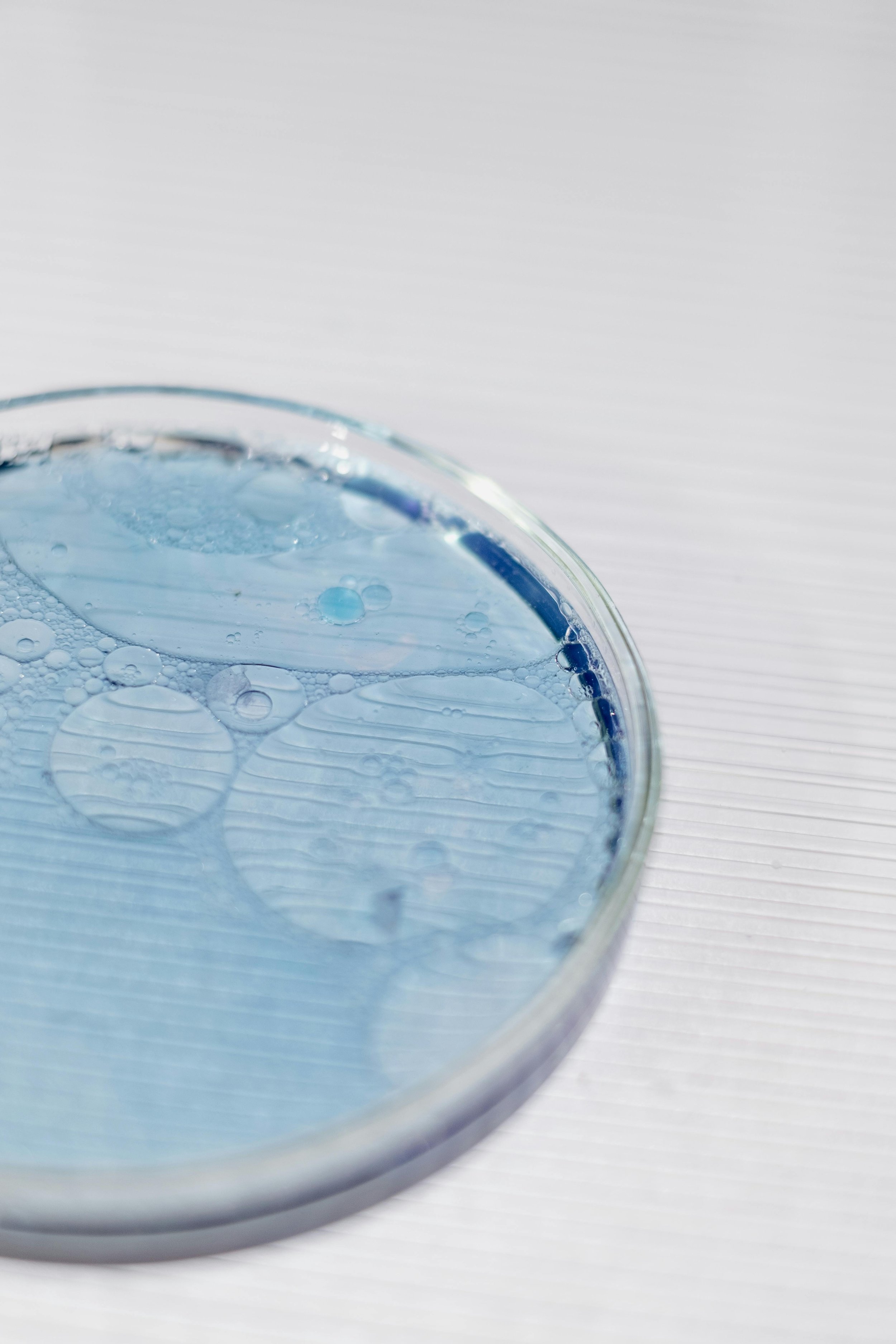
Chlorine: The Silent Killer
If you are doing everything right but your starter refuses to rise, look at your tap. Municipal water treatment is a triumph of public health, designed to kill bacteria. Your sourdough starter is bacteria.
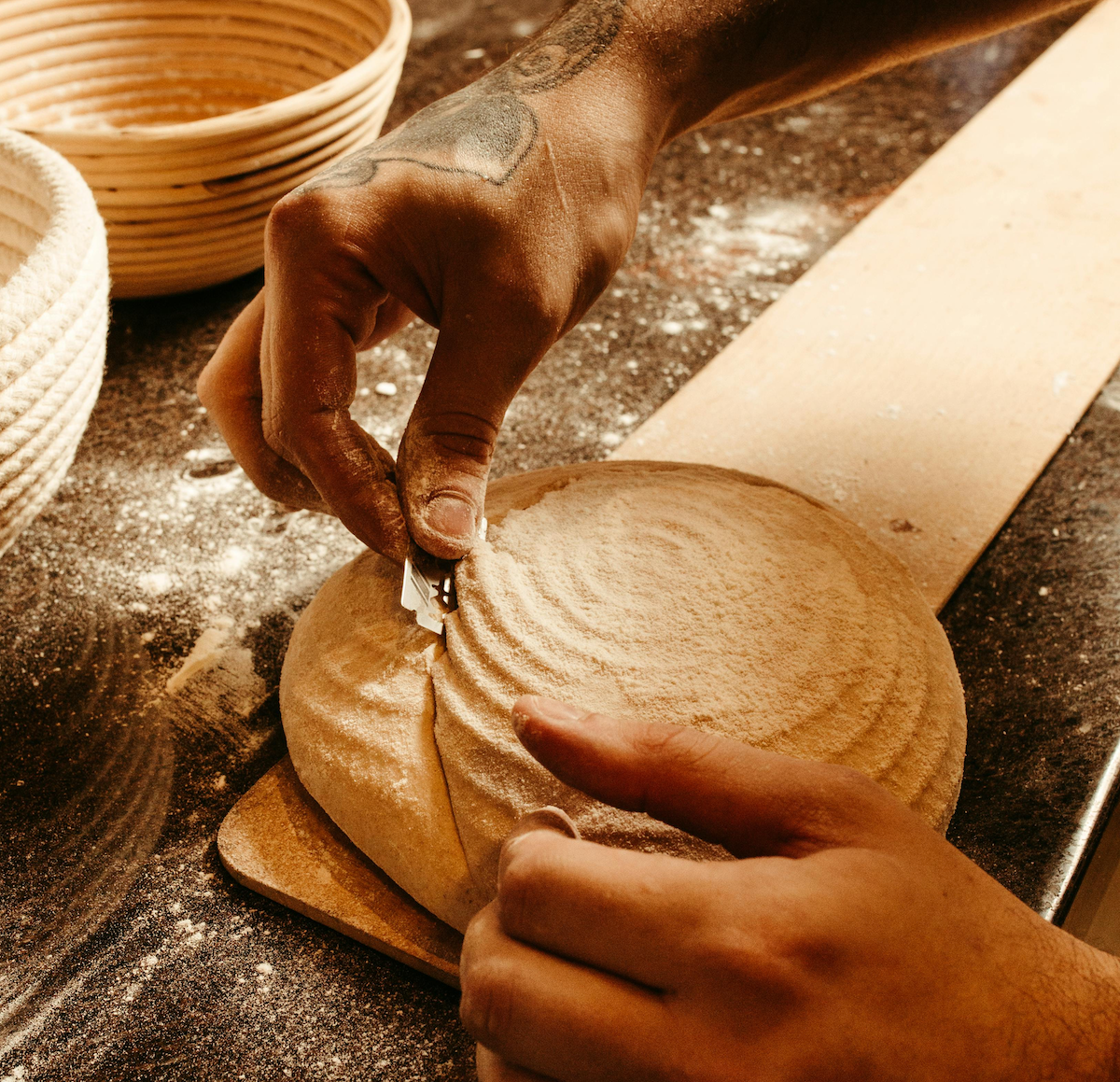
The Ear: The Physics of Differential Expansion
The ear is more than decoration. It is functional physics. It is the visual proof that your loaf expanded to its maximum potential before the crust hardened. To get an ear, you must master the forces of Tension and Differential Expansion.
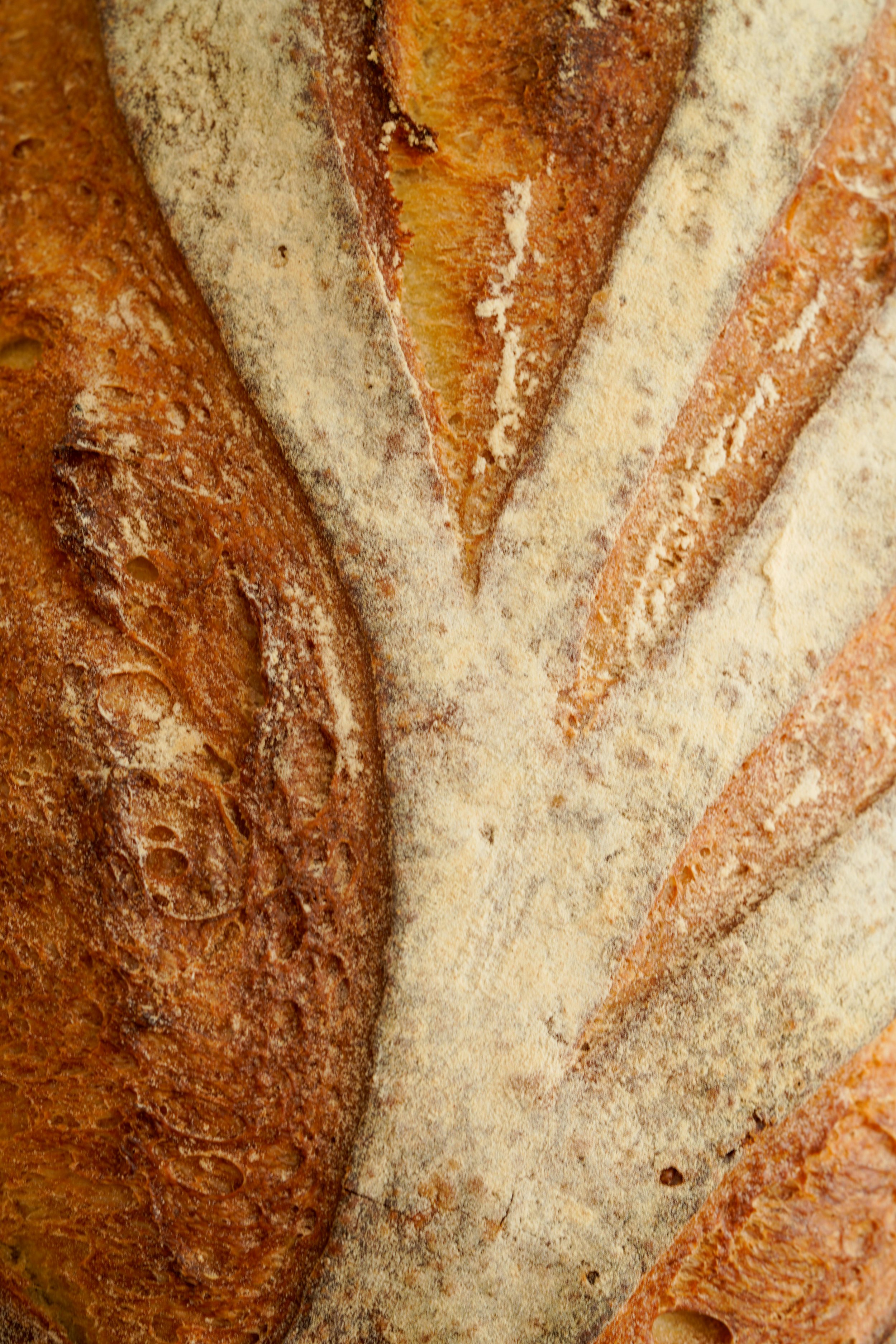
The Physics of Steam: Why Moisture Creates a Crispier Crust
It seems like a contradiction. If you want a dry, crispy crust, why would you flood your oven with water? Yet, every professional baker knows that steam is the secret ingredient. A loaf baked in a dry oven will be dull, dense, and grey. A loaf baked in steam will be glossy, voluminous, and shatteringly crisp.
pH Dynamics: Charting the Drop from 6.0 to 3.5
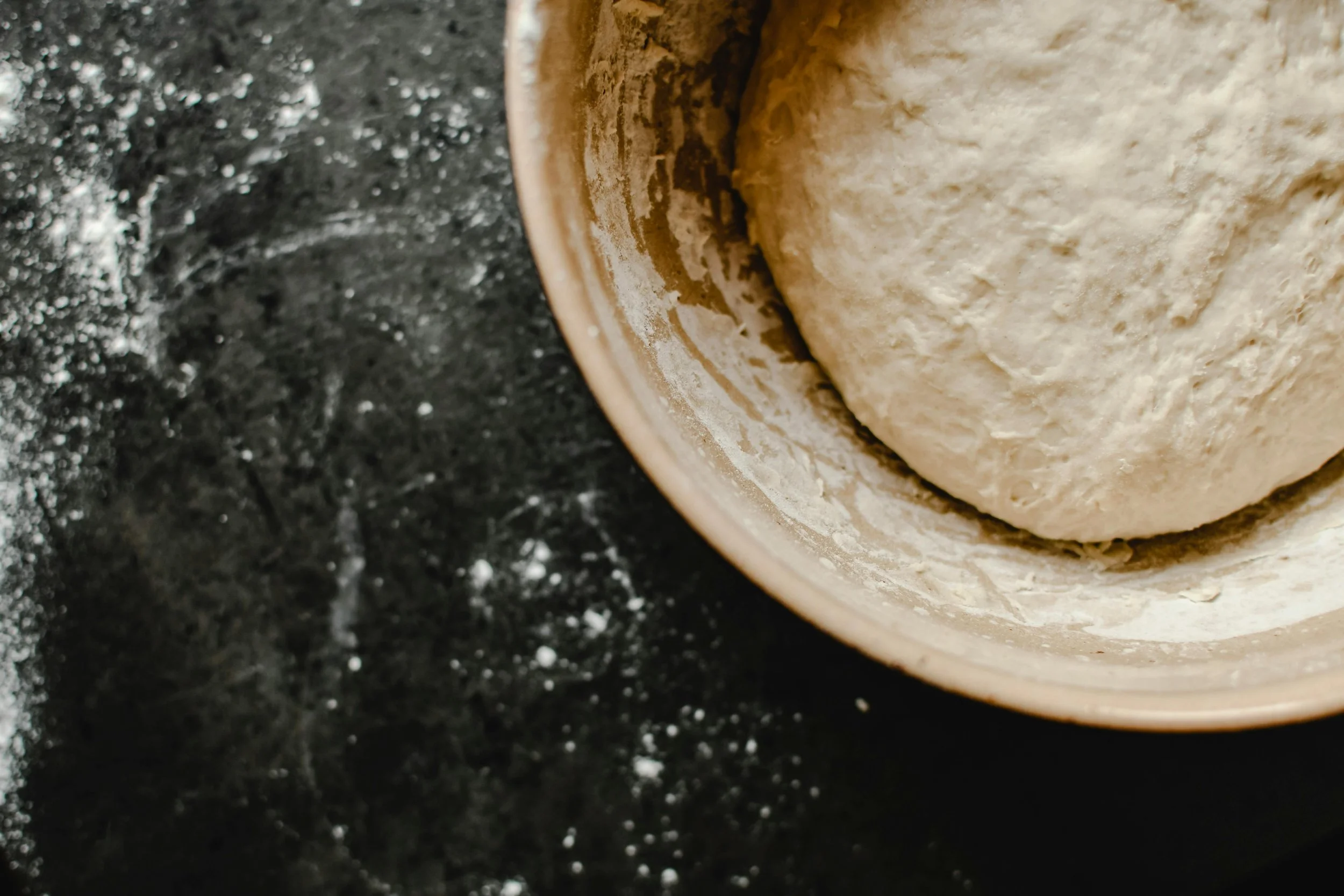
The true clock of sourdough is not measured in minutes, but in pH. The transformation of dough from a simple mixture of flour and water into a complex, digestible, and flavorful loaf is driven by acidification. Understanding the curve of this drop is the difference between a loaf that is bland and gummy, and one that sings.
Viscoelasticity: Extensibility vs. Elasticity (Rheology)
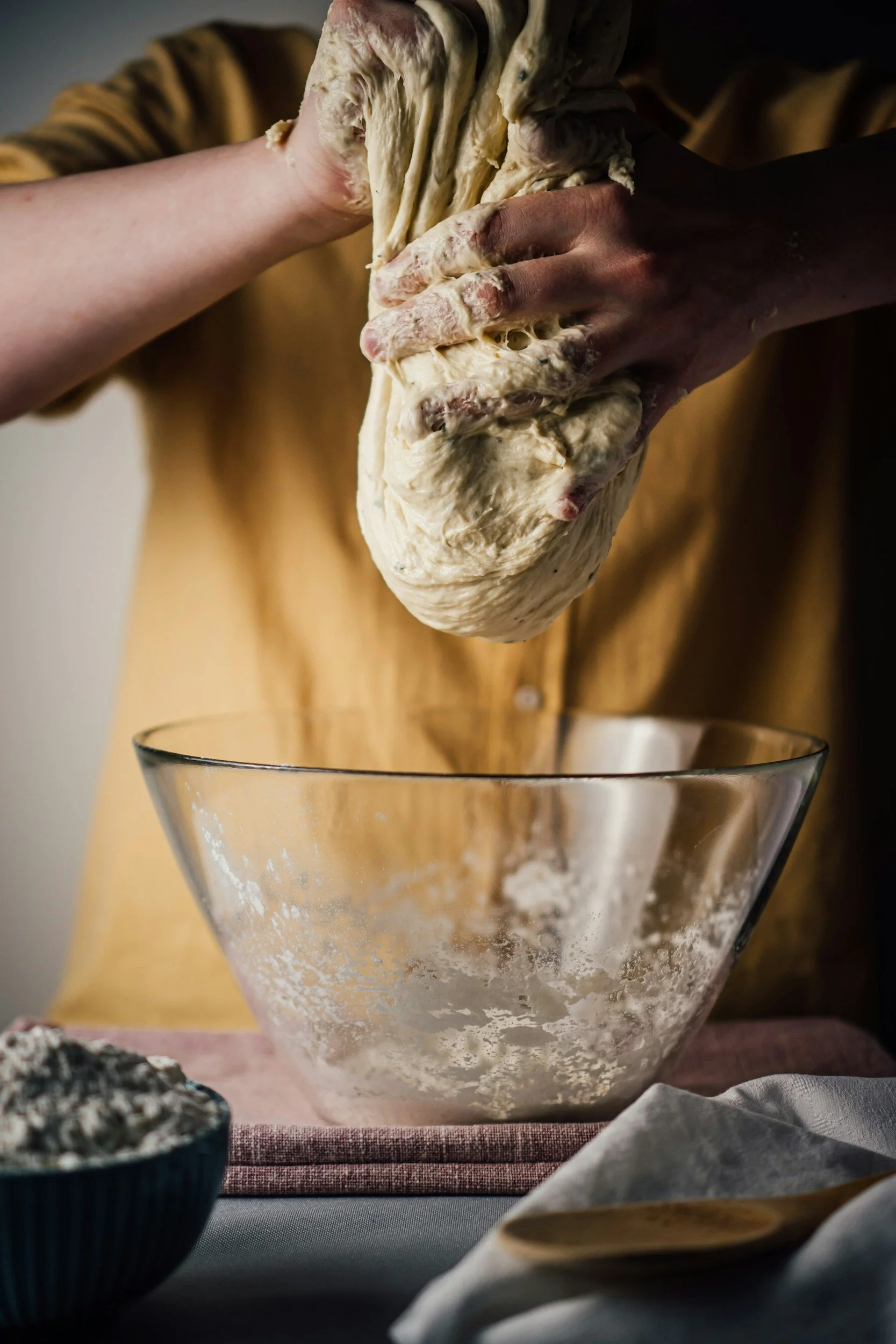
Dough is a contradiction. It is a solid that flows like a liquid. In physics, this property is called Viscoelasticity. It means the material has both viscous (flow) and elastic (snap-back) characteristics.
Thermodynamics: Radiant vs. Conductive Heat (Dutch Oven Physics)
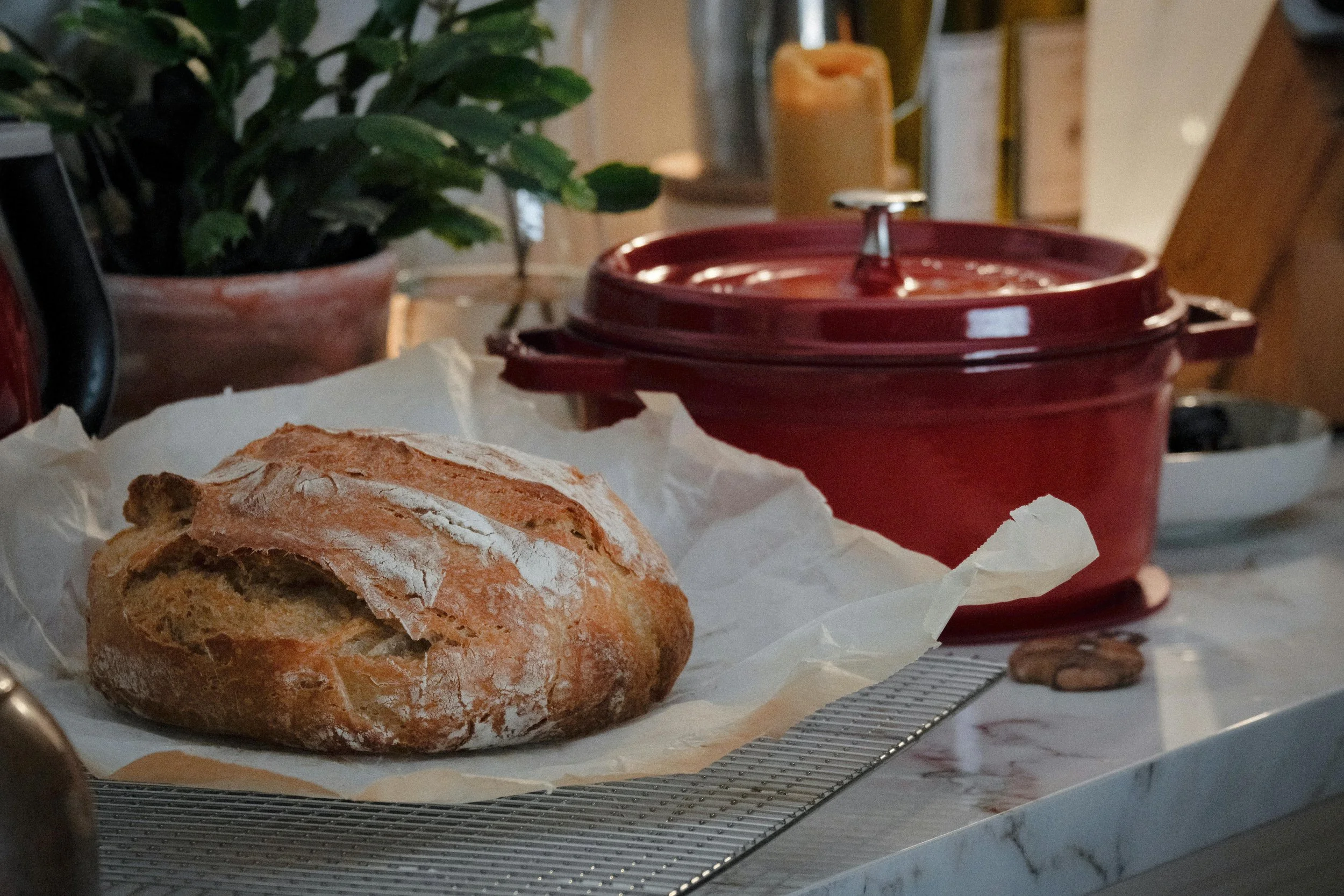
When you open your home oven door to load the bread, the air temperature drops by 50°C or more. A thin baking tray loses heat instantly. A preheated Dutch oven does not. It acts as a thermal battery, maintaining a stable 250°C environment even when the oven air cools down.

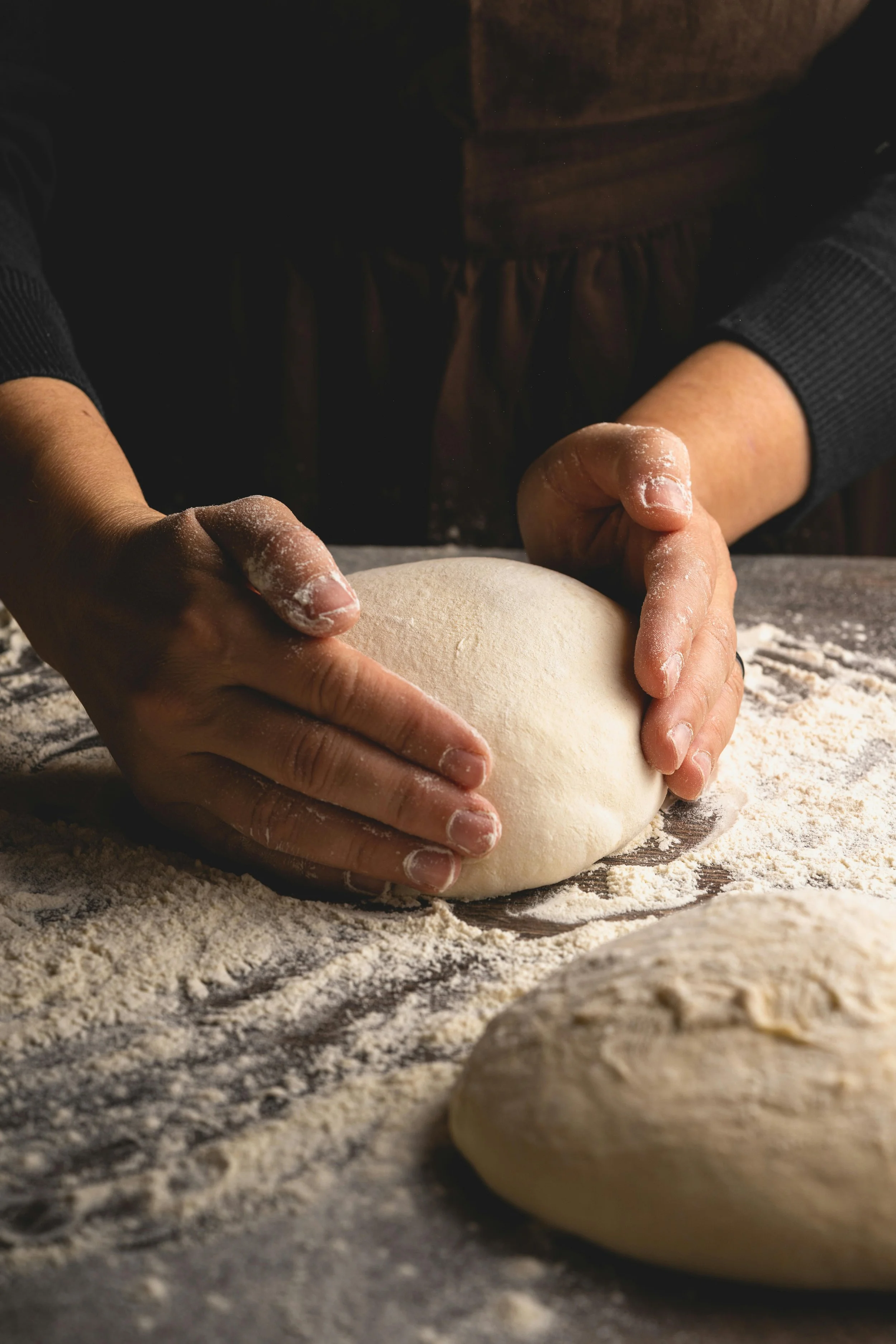
What Is Pre-Shaping?
Pre-shaping is an intermediate step between bulk fermentation and final shaping. The dough is divided and loosely formed into rounds, then left to rest (bench rest) for 15–30 minutes. This step reorganises the gluten network after the division and creates a smooth "skin" on the dough.
What Is Refined Flour?
Refined Flour (often labelled as White Bread Flour) has had the bran and germ mechanically removed, leaving only the starchy endosperm. While this creates a flour that produces high volume and airy bread (due to strong, uninterrupted gluten), it is a biological "desert."
What Is Hooch?
Hooch is a colloquial term for the liquid layer (ranging from clear to grey or black) that accumulates on top of a neglected sourdough starter. Biologically, it is primarily ethanol (alcohol) produced by wild yeast during fermentation.